Deep Nutrition Book Review: Rediscovering Ancestral Wisdom in a Broken Food System
The deep nutrition book by Dr. Catherine Shanahan, M.D., is not merely another dietary manifesto; it is a forceful intellectual challenge to the foundations of modern nutritional science. In an age dominated by calorie counting, processed convenience foods, and contradictory health advice, this book dares to ask an uncomfortable question: What if our dietary problems stem not from excess calories, but from the abandonment of traditional nourishment?
Dr. Shanahan, a board-certified family physician with deep expertise in biochemistry and genetics, presents a compelling thesis—modern disease is largely the consequence of nutritional degeneration. The deep nutrition book argues that our collective health decline mirrors the deterioration of our food quality, agricultural practices, and cultural relationship with nourishment.
This review explores the scientific, historical, and philosophical dimensions of the deep nutrition book, revealing why it has become a cornerstone text for readers seeking lasting health rather than fleeting dietary trends.
The Core Philosophy of the Deep Nutrition Book
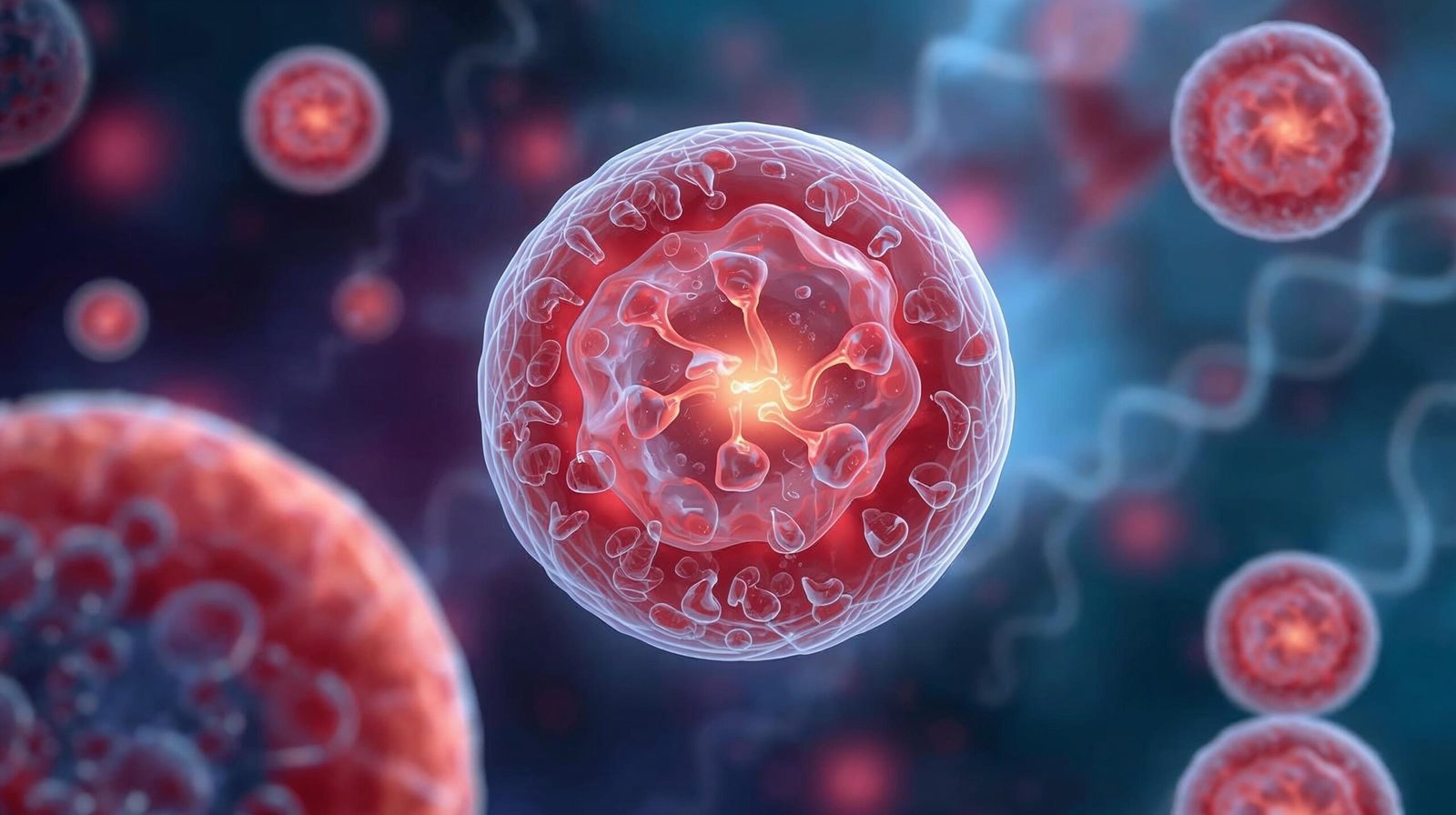
At the heart of the deep nutrition book lies a deceptively simple principle: health is built at the cellular level through proper nourishment. Dr. Shanahan emphasises that food is not merely fuel but information—biochemical instructions that shape gene expression, metabolic pathways, and long-term vitality.
Unlike mainstream dietary narratives that focus on macronutrient ratios or caloric deficits, the deep nutrition book centres on nutrient density, food structure, and the integrity of fats. According to Shanahan, the human genome evolved in harmony with traditional diets rich in natural fats, collagen, minerals, and fat-soluble vitamins.
When those foods disappeared, disease emerged.
The Four Pillars of Deep Nutrition
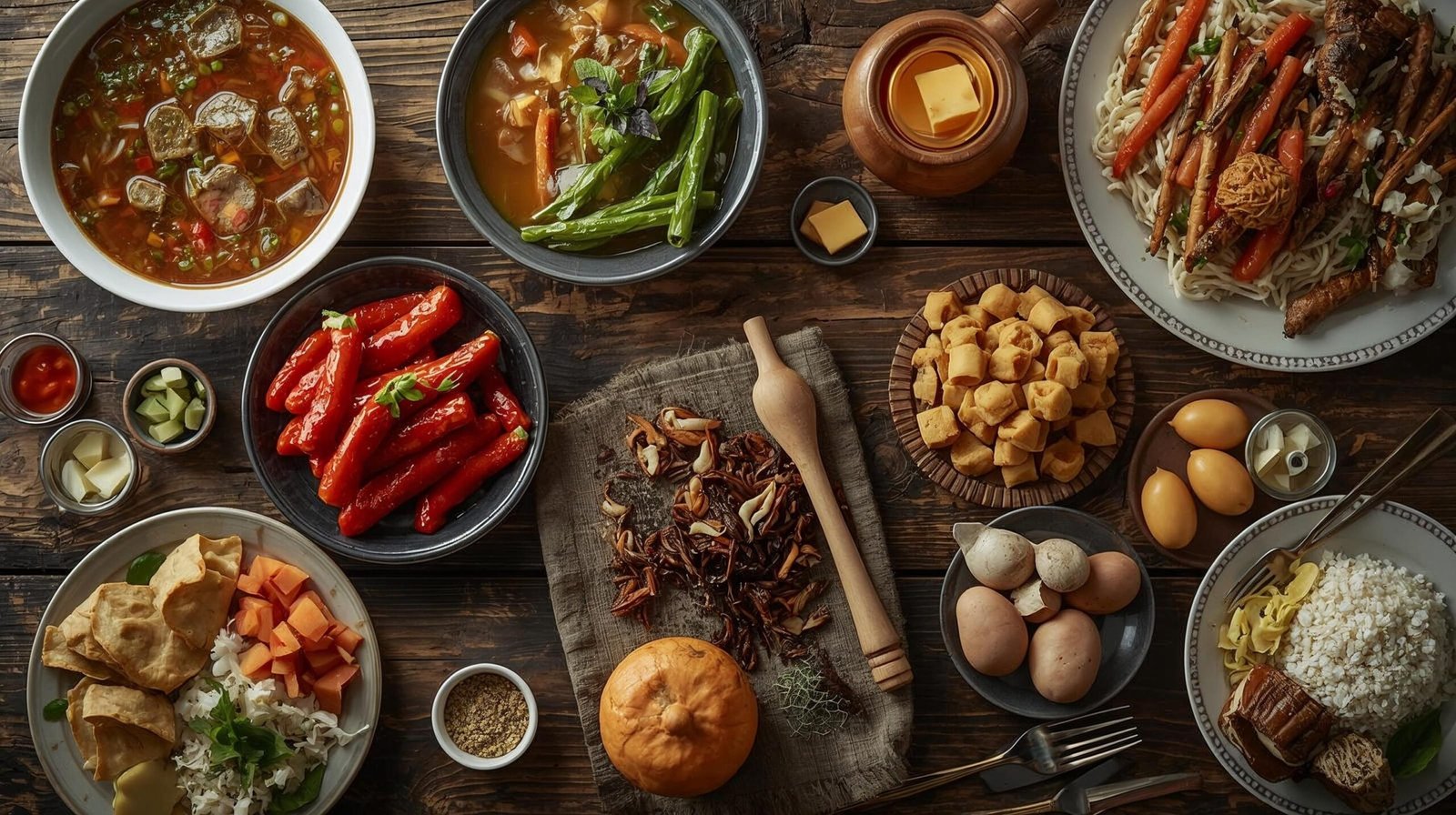
One of the most influential contributions of the deep nutrition book is its framework of the Four Pillars of Deep Nutrition, which represent universal dietary patterns shared across healthy traditional cultures.
1. Fresh Food
The deep nutrition book underscores the importance of fresh, minimally processed foods prepared close to the time of consumption. Industrial processing strips foods of fragile nutrients, particularly essential fats and vitamins.
2. Fermented and Sprouted Foods
Traditional fermentation enhanced nutrient bioavailability and gut health. The deep nutrition book links the disappearance of fermented foods to digestive disorders and immune dysfunction.
3. Meat on the Bone
Bone broths, organ meats, and connective tissues were staples of ancestral diets. The deep nutrition book explains how collagen, glycine, and minerals from these foods support joint health, skin integrity, and metabolic balance.
4. Healthy Fats
Perhaps the most controversial aspect of the deep nutrition book is its critique of industrial seed oils. Shanahan identifies these oils as primary drivers of inflammation, oxidative stress, and chronic disease.
Seed Oils: The Silent Saboteurs
A central argument of the deep nutrition book is that industrial seed oils—such as soybean, corn, and canola oil—represent one of the greatest nutritional disasters in human history.
Dr. Shanahan demonstrates how these oils are chemically unstable, prone to oxidation, and incompatible with human metabolism. The deep nutrition book presents compelling biochemical evidence linking seed oils to obesity, cardiovascular disease, insulin resistance, and even cancer.
In contrast, traditional fats like butter, ghee, olive oil, and animal fats are portrayed as metabolically protective and genetically familiar.
Nutrition and Genetics: A Forgotten Connection
The deep nutrition book goes beyond surface-level dietary advice by exploring the interaction between nutrition and gene expression. Shanahan introduces the concept of epigenetics, explaining how poor nutrition can distort genetic signalling across generations.
This perspective reframes disease not as a random occurrence but as a predictable outcome of nutritional misalignment. According to the deep nutrition book, restoring traditional foodways can reverse metabolic dysfunction and even improve genetic resilience over time.
Modern Disease Through the Lens of Nutrition
The deep nutrition book challenges the prevailing belief that chronic diseases are inevitable consequences of ageing. Instead, Shanahan traces conditions such as diabetes, heart disease, autoimmune disorders, and infertility to nutritional degradation.
The book meticulously documents how traditional societies, when introduced to refined carbohydrates and industrial oils, rapidly developed the same diseases plaguing industrialised nations. The deep nutrition book thus serves as both a diagnosis and a warning.

A Critique of Modern Dietary Dogma
What makes the deep nutrition book particularly powerful is its willingness to confront institutional dietary guidelines. Shanahan exposes how political interests, industrial agriculture, and flawed research methodologies shaped modern nutrition advice.
Low-fat diets, calorie obsession, and fear of saturated fat are dismantled with clarity and scientific precision. The deep nutrition book invites readers to question authority and reclaim personal responsibility for health.
Practical Guidance Without Extremism
Despite its scientific depth, the deep nutrition book remains accessible and practical. Shanahan provides actionable advice on sourcing quality foods, cooking methods, and gradual dietary transitions.
Rather than prescribing rigid meal plans, the deep nutrition book encourages readers to rebuild intuition around food quality. This balanced approach makes it suitable for long-term adoption rather than short-lived compliance.
Why the Deep Nutrition Book Stands Apart
Unlike fad diet books, the deep nutrition book is rooted in evolutionary biology, historical anthropology, and molecular science. Its arguments are cumulative and interconnected, forming a cohesive worldview rather than fragmented advice.
The book’s enduring relevance lies in its refusal to chase trends. Instead, it restores forgotten wisdom, positioning nutrition as the foundation of civilisation itself.
Who Should Read the Deep Nutrition Book?
The deep nutrition book is essential reading for:
-
Individuals struggling with chronic health conditions
-
Readers disillusioned by contradictory diet advice
-
Fitness professionals seeking deeper metabolic understanding
-
Anyone interested in ancestral health and longevity
-
Thinkers who value evidence over ideology
Traditional Diets and the Architecture of Human Health
One of the most compelling aspects of Dr. Catherine Shanahan’s work is her detailed exploration of traditional dietary patterns across geographically and culturally distinct populations. From Alpine villagers in Switzerland to Okinawan communities in Japan, she illustrates a striking consistency in dietary structure despite dramatic differences in cuisine. These societies thrived on locally available, unprocessed foods prepared with time-tested methods that preserved nutritional integrity.
Rather than focusing on isolated nutrients, these cultures emphasised whole foods consumed in their natural state. Meals were built around seasonal produce, animal-based nourishment, and naturally occurring fats. The absence of chronic illness, dental deformities, and metabolic disorders in these populations was not coincidental but structural. Health was embedded into daily life through food practices passed down across generations.
This anthropological lens exposes a profound weakness in modern nutrition science: the obsession with reductionism. By isolating nutrients from their food matrices, contemporary dietary advice overlooks the synergistic interactions that define true nourishment.
Cooking Methods: The Forgotten Variable
Another vital contribution of Shanahan’s work is her focus on cooking techniques. While modern discourse debates what to eat, very little attention is paid to how food is prepared. Traditional cultures rarely consumed raw diets exclusively, nor did they rely heavily on high-temperature industrial processing.
Slow cooking, fermentation, soaking, and simmering were employed not merely for flavour but for physiological benefit. These methods neutralised anti-nutrients, improved digestibility, and preserved heat-sensitive vitamins. In contrast, modern high-heat cooking combined with refined oils creates toxic by-products that burden the liver and accelerate cellular damage.
The kitchen, therefore, becomes not just a place of sustenance but a site of biochemical transformation—either restorative or destructive. Shanahan’s emphasis on cooking as a biological act elevates food preparation from convenience to responsibility.
The Collapse of Agricultural Integrity
The decline in human health mirrors the decline in agricultural practices. Shanahan carefully traces how soil depletion, monocropping, and chemical fertilisers have eroded the nutrient content of modern food. Crops today bear little resemblance to those consumed even a century ago.
Mineral depletion in soil leads to mineral deficiency in plants, which in turn compromises human health. This cascading effect explains why caloric abundance now coexists with nutritional deficiency. People may be overfed yet undernourished—a paradox that underlies obesity, fatigue, and immune dysfunction.
The book’s critique of industrial agriculture is not ideological but biochemical. When soil biology collapses, so does the nutritional value of food, regardless of calorie count.
Metabolic Damage and the Illusion of Willpower
A particularly humane aspect of Shanahan’s argument is her rejection of moral judgement around food choices. She dismantles the notion that poor health results from weak willpower or personal failure. Instead, she presents metabolic dysfunction as a predictable outcome of biochemical disruption.
When cells are deprived of essential nutrients, hunger signalling becomes distorted. Cravings intensify, energy fluctuates, and satiety becomes elusive. In this state, discipline alone cannot override biology. This insight reframes overeating not as a character flaw but as a physiological distress signal.
By restoring nutrient-dense foods and eliminating metabolic disruptors, hunger normalises naturally. This approach offers liberation from cycles of guilt and restriction that dominate modern dieting culture.
Fats, Hormones, and Cellular Communication
The role of dietary fat extends far beyond energy provision. Shanahan explains how fats form the structural foundation of cell membranes and influence hormonal signalling. When these membranes are built from damaged or unstable fats, cellular communication deteriorates.
This degradation affects insulin sensitivity, reproductive hormones, and inflammatory responses. Conditions such as polycystic ovarian syndrome, infertility, and thyroid dysfunction are examined through this biochemical framework. Rather than isolated pathologies, they emerge as systemic consequences of cellular miscommunication.
Restoring stable, traditional fats allows cells to regain integrity and responsiveness. Hormonal balance, in this context, becomes a by-product of cellular health rather than pharmaceutical intervention.
Mental Health and Nutritional Foundations
Although often overlooked, Shanahan addresses the relationship between nutrition and mental well-being with striking clarity. The brain, composed largely of fat, is exquisitely sensitive to dietary inputs. Inflammatory foods and oxidised fats compromise neural membranes, impair neurotransmitter function, and disrupt mood regulation.
Rising rates of anxiety, depression, and cognitive decline are not dismissed as purely psychological phenomena. Instead, they are situated within a broader metabolic context. The book suggests that emotional resilience is inseparable from biological resilience.
This perspective does not negate psychological or social factors but integrates them into a holistic model of health. Mental clarity, emotional stability, and cognitive longevity are portrayed as nourishable states rather than abstract traits.
Children, Development, and the Cost of Convenience
Perhaps the most urgent warnings in Shanahan’s work concern childhood development. She documents how modern food choices affect skeletal formation, facial structure, immune development, and cognitive capacity in children.
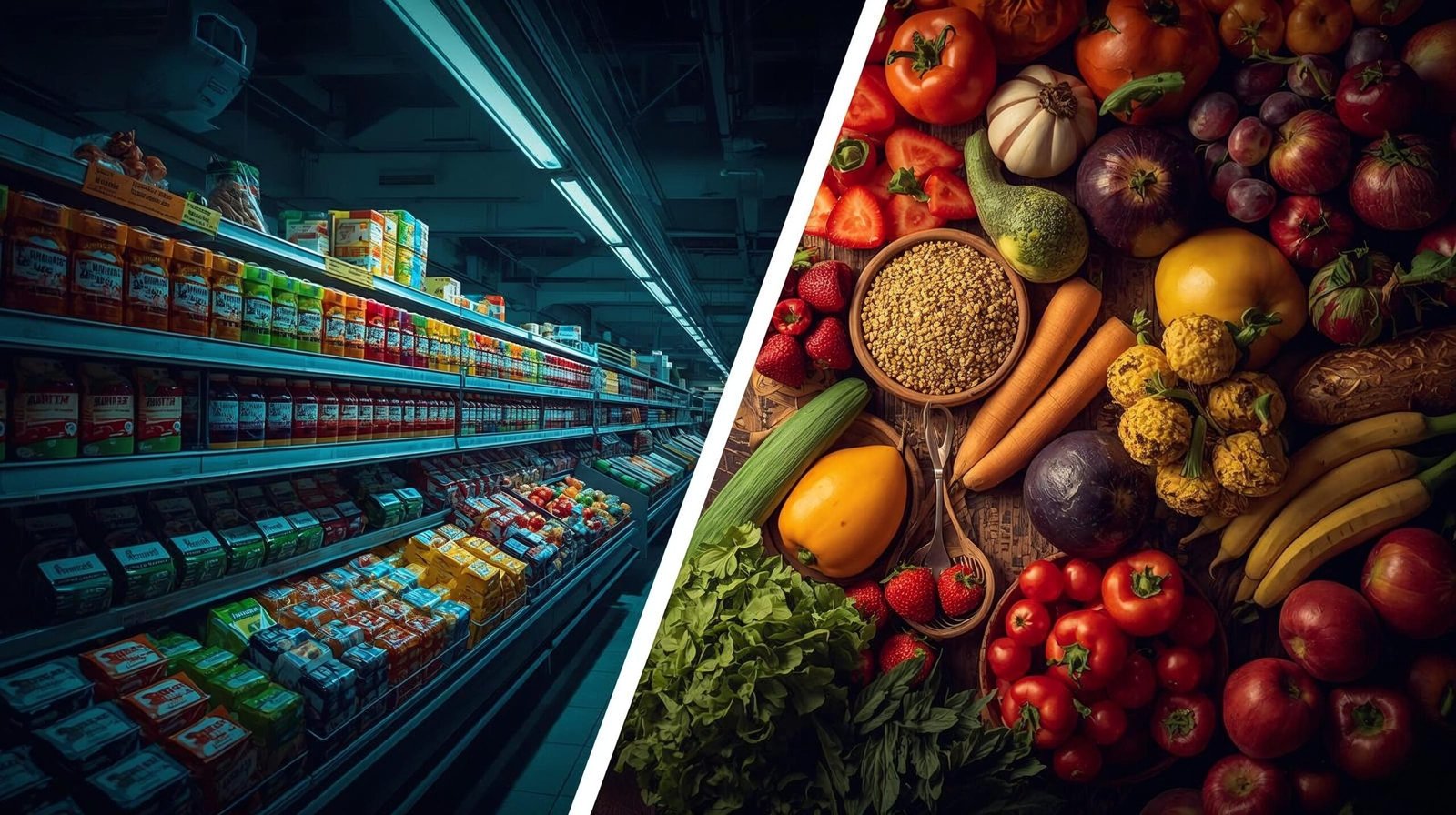
Highly processed foods, stripped of essential fats and minerals, fail to support proper growth. The consequences manifest as orthodontic issues, allergies, behavioural disorders, and learning difficulties. These are not isolated epidemics but symptoms of nutritional neglect.
The convenience-driven food environment, while efficient, extracts a generational cost. Shanahan’s analysis urges parents and policymakers alike to reconsider what is deemed “normal” childhood nutrition.
Food as Cultural Memory
Beyond biochemistry, the book treats food as a vessel of cultural wisdom. Traditional recipes encode centuries of empirical experimentation. They are survival manuals refined through trial, error, and adaptation to local ecosystems.
The loss of these traditions represents not progress but amnesia. Reclaiming ancestral foodways becomes an act of cultural preservation as much as personal health. Cooking traditional meals reconnects individuals with lineage, place, and identity.
In this sense, nutrition transcends the individual body and becomes a civilisational concern. The erosion of food culture parallels the erosion of community, continuity, and meaning.
A Sustainable Vision for the Future
Shanahan’s work does not romanticise the past but extracts principles applicable to the future. Sustainable agriculture, ethical animal husbandry, and local food systems are presented as solutions that benefit both human health and ecological stability.
Rather than technological fixes or synthetic substitutes, the path forward involves restoring biological harmony. This vision challenges industrial efficiency models and invites a slower, more deliberate relationship with food.
Health, in this framework, is not purchased through supplements or shortcuts but cultivated through daily choices aligned with biological reality.
Relearning Responsibility in an Age of Abundance
Modern society equates abundance with progress, yet the widespread availability of food has paradoxically diminished its value. When nourishment becomes cheap, fast, and ubiquitous, discernment disappears. Dr. Shanahan’s broader message encourages a return to responsibility—not through restriction, but through awareness.
True nourishment requires attentiveness to sourcing, preparation, and intent. Choosing foods grown in living soil, prepared with care, and consumed with mindfulness restores meaning to eating. This shift transforms meals from habitual consumption into deliberate acts of self-respect.
Equally important is the social dimension of food. Shared meals reinforce bonds, transmit values, and stabilise emotional health. Traditional cultures instinctively understood that eating together was as essential as eating well. Isolation, rushed schedules, and distracted consumption erode these protective rituals.
Reclaiming responsibility does not demand perfection. It demands consistency, patience, and humility. Small changes—cooking more often, avoiding industrial shortcuts, respecting natural fats, and valuing quality over quantity—compound over time. In doing so, nourishment becomes not a battleground of rules but a foundation for resilience, clarity, and long-term vitality.

Final Reflection
The additional insights offered here reinforce the central thesis of Shanahan’s work: that modern health crises are not mysterious or inevitable. They are the logical outcome of nutritional disconnection—from soil, tradition, biology, and wisdom.
By reframing food as information, culture, and architecture, this work challenges readers to reconsider their relationship with nourishment at the deepest level. It does not promise quick fixes but offers something far more valuable: coherence.
For readers who approach health as an intellectual, ethical, and generational responsibility, these ideas provide a foundation upon which lasting vitality can be built.
Frequently Asked Questions (FAQs)
Is the deep nutrition book suitable for beginners?
Yes. Although scientifically rigorous, the deep nutrition book explains complex ideas in clear, structured language accessible to non-specialists.
Does the deep nutrition book promote a specific diet?
No. The deep nutrition book promotes principles rather than rigid diets, allowing flexibility within a traditional nutritional framework.
Is this book anti-vegetarian or anti-vegan?
The deep nutrition book prioritises nutrient density and traditional practices. While it emphasises animal foods, it does not promote dogmatism.
Can the deep nutrition book help with weight loss?
Weight normalisation is presented as a natural outcome of metabolic healing rather than forced restriction.
Is the science in the deep nutrition book credible?
Yes. Dr. Shanahan references peer-reviewed research, biochemistry, and epidemiological evidence throughout the book.
Conclusion: A Necessary Wake-Up Call
The deep nutrition book is not comfortable reading, nor is it meant to be. It confronts cherished beliefs, exposes systemic failures, and demands intellectual honesty. Yet within this discomfort lies profound empowerment.
By reconnecting food with biology, culture, and ancestry, Dr. Catherine Shanahan offers more than dietary advice—she offers a roadmap back to human health. In a world drowning in nutritional confusion, the deep nutrition book stands as a beacon of clarity.
For readers seeking depth over dogma and truth over trends, this book is indispensable.
More such insightful, evidence-based book reviews are available at shubhanshuinsights.com, where critical thinking meets timeless wisdom, and where health is explored not as a fad—but as a legacy.
In reclaiming nutritional wisdom, readers are invited not merely to eat differently, but to think differently—restoring health, dignity, and continuity through informed choices that honour biology, tradition, and responsibility.