The Fast Metabolism Diet by Haylie Pomroy – A Comprehensive Review
In the overcrowded world of modern dieting, few programmes have generated as much intrigue and controversy as the fast metabolism diet. Promising accelerated fat loss without calorie obsession, food deprivation, or relentless exercise, this dietary framework positions metabolism—not willpower—as the decisive factor in weight management. Authored by celebrity nutritionist Haylie Pomroy, the diet claims to “heal” a sluggish metabolism through strategic food sequencing rather than restriction.
This review examines the fast metabolism diet in depth—its philosophy, structure, benefits, criticisms, and real-world practicality—so readers may judge whether it represents a genuine nutritional breakthrough or merely another cleverly marketed dietary trend.

Understanding the Philosophy Behind the Fast Metabolism Diet
At its core, the fast metabolism diet rejects the conventional calorie-in versus calorie-out doctrine. Pomroy argues that chronic dieting, emotional stress, hormonal disruption, and over-exercising force the body into metabolic survival mode, encouraging fat storage rather than fat loss.
According to this philosophy, weight gain is not the result of gluttony but of biochemical imbalance. The objective of the fast metabolism diet is therefore to re-educate the body, persuading it to release stored fat by supplying precise nutrients at specific times.
The Three-Phase Structure of the Fast Metabolism Diet
One of the most distinctive features of the fast metabolism diet is its rigid weekly structure, divided into three repeating phases across a 28-day cycle.
Phase 1: De-Stress and Unlock Stored Fat
This phase focuses on calming adrenal stress and signalling safety to the body. High-glycaemic carbohydrates and lean proteins dominate, while fats are excluded. The intention is to reduce cortisol levels and coax fat out of storage.
Phase 2: Unlock Fat and Build Muscle
Phase two shifts towards lean proteins and non-starchy vegetables, supporting muscle repair and fat breakdown. Here, carbohydrates are eliminated, pushing the body to burn fat more aggressively.
Phase 3: Burn Fat and Accelerate Metabolism
The final phase introduces healthy fats alongside proteins and vegetables. This stage, according to the fast metabolism diet, teaches the body to burn fat efficiently without storing it.
This cyclical design is central to the fast metabolism diet and differentiates it sharply from static meal plans.
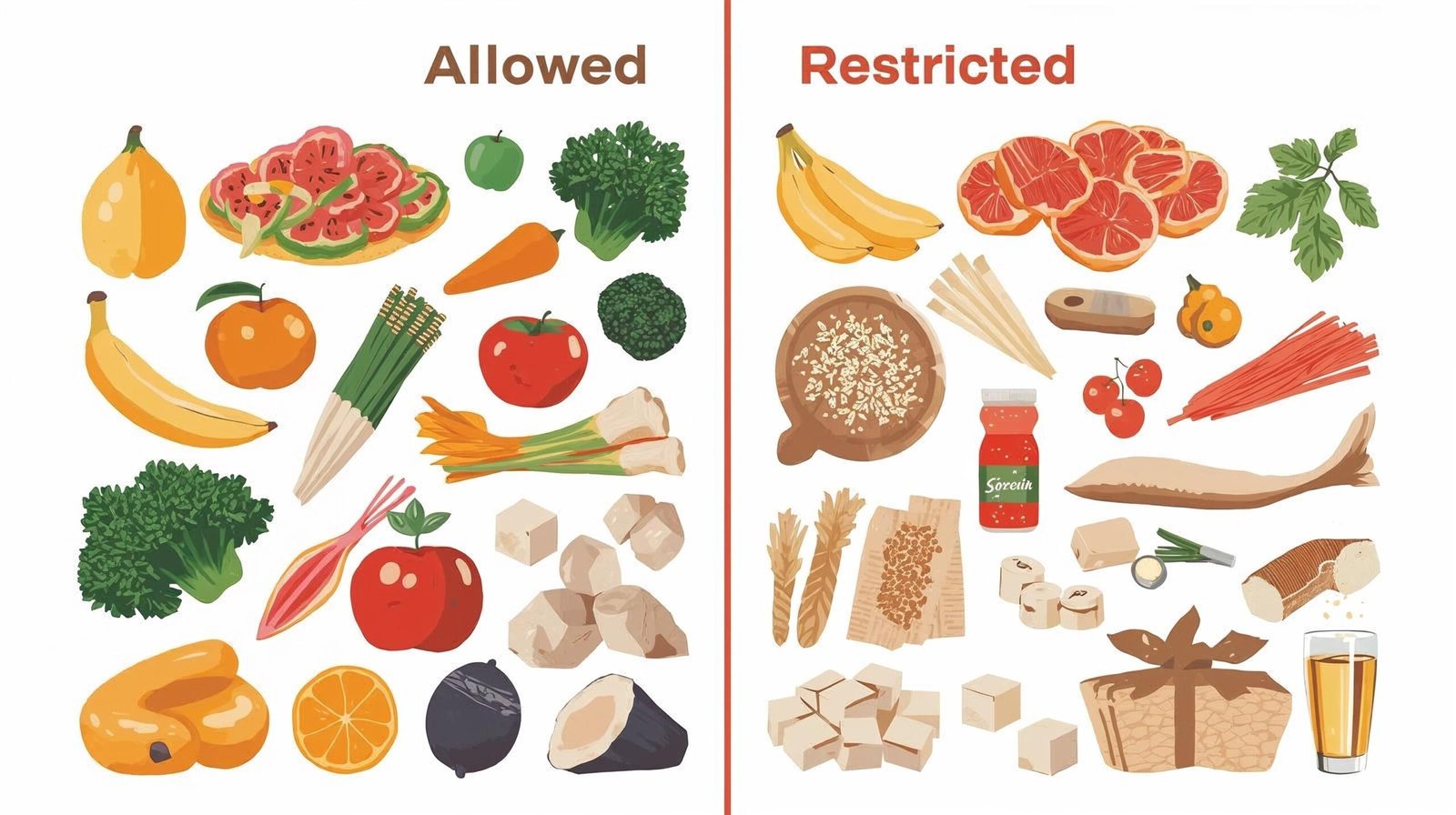
Foods Encouraged and Restricted
The fast metabolism diet categorises foods not by calories but by biochemical impact.
Encouraged Foods
-
Lean meats and fish
-
Whole grains and fruits (Phase 1)
-
Non-starchy vegetables (Phases 2 and 3)
-
Healthy fats such as avocado and olive oil (Phase 3)
Restricted Foods
-
Dairy
-
Wheat and refined flour
-
Sugar and artificial sweeteners
-
Alcohol and caffeine
-
Soy and corn
Pomroy insists these exclusions are essential for restoring metabolic harmony within the fast metabolism diet framework.
Exercise Guidelines
Contrary to popular belief, the fast metabolism diet does not promote excessive exercise. Each phase prescribes specific activity types:
-
Gentle aerobic exercise in Phase 1
-
Strength training in Phase 2
-
Relaxing activities such as yoga in Phase 3
This controlled approach reinforces the diet’s overarching message: stress reduction accelerates fat loss.
Claimed Benefits of the Fast Metabolism Diet
Supporters of the fast metabolism diet frequently report:
-
Rapid initial weight loss
-
Reduced food cravings
-
Improved energy levels
-
Enhanced hormonal balance
-
Better digestion and sleep quality
The psychological relief of eating frequently—five times per day—is often cited as a major advantage.
Scientific and Practical Criticism
Despite its popularity, the fast metabolism diet faces substantial criticism.
Firstly, there is limited peer-reviewed scientific evidence supporting the metabolic claims. Secondly, the strict phase rules may feel overwhelming for individuals with demanding schedules. Thirdly, eliminating entire food groups raises concerns about long-term nutritional adequacy.
Critics argue that the success of the fast metabolism diet may stem less from metabolic manipulation and more from structured eating, processed food avoidance, and caloric awareness.
Who May Benefit Most from the Fast Metabolism Diet
The fast metabolism diet may appeal particularly to:
-
Chronic dieters with stalled weight loss
-
Individuals struggling with sugar cravings
-
Those preferring structured meal plans
-
Readers seeking short-term metabolic reset programmes
However, it may not suit those with medical conditions requiring dietary flexibility.
Sustainability and Long-Term Viability
One of the most debated aspects of the fast metabolism diet is sustainability. While the 28-day cycle is manageable, maintaining such rigidity indefinitely may prove challenging.
Pomroy recommends transitioning to intuitive eating after the initial programme, though this guidance is less structured than the diet itself.
Hormonal Influence on Weight Regulation
Weight management is not merely a matter of dietary intake but a complex interaction of hormones that regulate hunger, satiety, energy expenditure, and fat storage. Insulin, cortisol, leptin, ghrelin, thyroid hormones, and oestrogen all play decisive roles in determining whether the body burns calories efficiently or conserves them as fat.
Chronic stress elevates cortisol levels, which can promote abdominal fat accumulation and disrupt insulin sensitivity. Likewise, erratic eating patterns may interfere with leptin signalling, impairing the body’s ability to recognise fullness. A structured dietary approach that prioritises regular meals and nutrient timing can help stabilise these hormonal fluctuations, thereby improving metabolic efficiency.
Such frameworks emphasise not punishment but biochemical cooperation—working with the body rather than against it.
The Psychological Dimension of Structured Eating
Beyond physiology, the psychological impact of structured meal plans deserves careful consideration. Many individuals experience decision fatigue when faced with constant food choices, leading to impulsive eating and emotional reliance on convenience foods.
A clearly defined eating schedule reduces cognitive load. Knowing what to eat, when to eat, and why a particular food is included fosters confidence and compliance. This predictability often lowers anxiety surrounding meals and removes the moral judgment commonly attached to eating behaviour.
Additionally, frequent meals may alleviate feelings of deprivation, which are known triggers for binge eating cycles. The psychological reassurance of regular nourishment can be as influential as the nutritional composition itself.
The Role of Meal Frequency in Metabolic Efficiency
Conventional dieting often promotes meal skipping as a strategy for reducing caloric intake. However, prolonged gaps between meals may provoke blood sugar instability, energy crashes, and compensatory overeating.
Frequent, evenly spaced meals can support glycaemic control and reduce stress responses associated with hunger. This approach signals abundance rather than scarcity, discouraging the body from hoarding energy reserves.
Although meal frequency alone does not guarantee fat loss, when paired with whole foods and balanced macronutrients, it may enhance metabolic consistency and improve adherence over time.
Food Quality Versus Caloric Obsession
One of the most compelling aspects of metabolism-focused nutritional frameworks is their rejection of obsessive calorie counting. Instead, emphasis is placed on food quality, nutrient density, and biochemical impact.
Highly processed foods, even when calorie-controlled, may provoke inflammatory responses, disrupt gut microbiota, and impair hormonal balance. In contrast, whole foods provide micronutrients essential for enzymatic processes that drive energy production.
By prioritising unprocessed ingredients, such approaches encourage nourishment at the cellular level. This shift reframes eating as a form of biological support rather than numerical restraint.
Digestive Health and Nutrient Absorption
Metabolism does not operate in isolation from digestion. Poor gut health can undermine even the most meticulously planned diet. Inflammation, dysbiosis, and impaired enzyme function may reduce nutrient absorption, leaving the body undernourished despite adequate intake.
Dietary strategies that eliminate common irritants and encourage digestive rest can improve gut integrity. As digestion improves, so too does the body’s capacity to utilise nutrients effectively, enhancing energy levels and metabolic responsiveness.
Thus, attention to digestive health is not supplementary but foundational.
The Cultural Appeal of Metabolic Narratives
The popularity of metabolism-centred diet books reflects a broader cultural shift. Rather than framing weight issues as moral failures, these narratives attribute them to biological imbalance and environmental stressors.
This reframing is empowering. It removes shame and replaces it with curiosity and responsibility. Readers are invited to explore how modern lifestyles—chronic stress, sedentary behaviour, sleep deprivation, and ultra-processed foods—have disrupted natural regulatory systems.
Such narratives resonate strongly in societies where traditional eating patterns have been displaced by industrial convenience.

Gender-Specific Considerations
Women, in particular, may find metabolism-focused approaches appealing due to hormonal fluctuations across menstrual cycles, pregnancy, and menopause. Conventional calorie-restriction models often fail to account for these physiological realities.
Nutritional strategies that respect hormonal rhythms and emphasise nourishment over restriction may better support long-term health for women. However, individualisation remains essential, as hormonal responses vary widely.
Men, too, may benefit from stress-moderating dietary structures, especially those experiencing metabolic slowdown due to ageing or lifestyle factors.
Potential Challenges and Compliance Issues
Despite their theoretical appeal, structured metabolic programmes are not without challenges. Planning meals across multiple phases requires time, organisation, and access to fresh ingredients. Social eating situations may also pose difficulties.
Moreover, individuals prone to perfectionism may experience stress when unable to follow guidelines precisely, which can undermine the very metabolic calm such approaches aim to cultivate.
Flexibility and self-compassion are therefore critical for long-term success.
Economic and Accessibility Factors
Another often-overlooked consideration is cost. Frequent meals composed of fresh produce and lean proteins may strain budgets, particularly in regions where healthy foods are less accessible.
While long-term health benefits may offset initial costs, practical adaptations are necessary to ensure inclusivity. Simplifying recipes, buying seasonal produce, and prioritising staple proteins can help make such diets more feasible.
The Importance of Sleep and Recovery
No discussion of metabolism is complete without addressing sleep. Inadequate rest disrupts insulin sensitivity, increases hunger hormones, and reduces energy expenditure.
Dietary structure alone cannot compensate for chronic sleep deprivation. Sustainable metabolic health requires an integrated lifestyle approach encompassing nutrition, movement, rest, and emotional regulation.
Readers who pair dietary improvements with consistent sleep routines often experience more durable results.
Moving Beyond Dieting as a Temporary Fix
Perhaps the most valuable contribution of metabolism-focused frameworks lies in their long-term philosophy. Rather than advocating endless dieting cycles, they encourage metabolic respect—listening to hunger cues, prioritising nourishment, and reducing stress.
When individuals internalise these principles, food becomes a tool for vitality rather than a battleground. Weight stabilisation often follows as a secondary outcome rather than a primary obsession.
A Broader Perspective on Health and Well-Being
Ultimately, metabolic efficiency is not solely about physical appearance. It influences cognitive clarity, emotional stability, immune resilience, and overall quality of life.
Nutritional strategies that honour biological complexity and psychological well-being may offer a more humane alternative to punitive dieting cultures. Success, in this context, is measured not only by weight loss but by sustainable vitality.

Individual Metabolic Diversity and Personalisation
No two bodies process food in exactly the same manner. Genetics, early-life nutrition, stress exposure, gut microbiota composition, and physical activity levels all shape metabolic behaviour. As a result, dietary frameworks that produce dramatic outcomes for some individuals may yield modest results for others.
Personalisation is therefore essential. Observing energy levels, hunger patterns, mood stability, and digestive comfort allows individuals to fine-tune dietary choices. Rigid adherence without self-awareness can undermine long-term success. Adaptation, rather than blind compliance, remains the cornerstone of sustainable health.
The Influence of Modern Lifestyles on Energy Balance
Contemporary life presents challenges unknown to previous generations. Sedentary work, artificial lighting, irregular sleep schedules, and constant digital stimulation disrupt natural circadian rhythms. These disturbances affect hormonal signalling involved in appetite regulation and energy expenditure.
Nutrition alone cannot fully counteract these pressures. However, structured eating patterns combined with mindful lifestyle adjustments—such as regular movement breaks and screen-free evenings—can mitigate metabolic strain. Holistic alignment between food, sleep, and daily rhythm enhances the body’s capacity to regulate weight efficiently.
Ethical and Environmental Considerations
Dietary choices increasingly intersect with ethical and environmental concerns. The sourcing of animal proteins, agricultural sustainability, and food waste all influence the broader impact of eating patterns. Individuals may wish to adapt dietary structures to align with ethical values, whether through responsible sourcing or plant-forward substitutions.
Such adaptations need not compromise nutritional integrity when planned carefully. Conscious consumption fosters a deeper connection to food and reinforces intentional eating habits.
The Role of Consistency Over Perfection
Perfectionism often derails well-intentioned health efforts. Occasional deviations from dietary plans do not negate progress; in fact, flexibility may reduce stress-related setbacks. Consistency—maintaining supportive habits most of the time—produces far greater results than flawless adherence followed by burnout.
Developing resilience around eating behaviours encourages long-term balance. Viewing nutrition as an evolving practice rather than a fixed rulebook empowers individuals to sustain healthier patterns across changing life circumstances.
Long-Term Behavioural Shifts and Self-Awareness
Meaningful health improvement depends not only on dietary structure but also on behavioural insight. Awareness of emotional triggers, habitual responses to stress, and unconscious eating patterns allows individuals to make informed adjustments rather than reactive choices. Over time, this self-observation cultivates autonomy and resilience. When people learn to respond thoughtfully to internal cues instead of external rules, sustainable balance becomes attainable. Such behavioural maturity transforms nutritional strategies from temporary interventions into lifelong practices supporting both physical vitality and psychological stability.
Closing Perspective
Ultimately, dietary frameworks should serve the individual, not the reverse. When nutritional strategies promote awareness, nourishment, and self-respect, they transcend mere weight management and contribute to enduring well-being. The most effective approach is one that integrates structure with adaptability, science with intuition, and discipline with compassion.

Editorial Note for shubhanshuinsights.com
At shubhanshuinsights.com, health literature is examined through a critical yet balanced lens, valuing scientific reasoning, lived experience, and intellectual honesty. Readers are encouraged to approach dietary trends thoughtfully—adopting what aligns with their physiology while discarding dogma that fosters guilt or rigidity.
Frequently Asked Questions (FAQs)
Is the fast metabolism diet safe?
For generally healthy individuals, the fast metabolism diet is considered safe in the short term, though medical consultation is advisable.
Can vegetarians follow the fast metabolism diet?
Vegetarian adaptations exist, but protein sourcing becomes more complex within the fast metabolism diet guidelines.
How much weight can one lose?
Results vary, but many report losing 5–10 pounds in the first month on the fast metabolism diet.
Is exercise mandatory?
Yes, though exercise intensity is moderate and phase-specific.
Can the fast metabolism diet fix a slow metabolism permanently?
There is no conclusive evidence that metabolism is permanently “reset,” but improved habits may yield lasting benefits.
Final Verdict: Is the Fast Metabolism Diet Worth It?
The fast metabolism diet is neither a miracle cure nor a nutritional illusion. It succeeds in reframing weight loss as a metabolic and hormonal process rather than a moral failing. Its emphasis on whole foods, regular meals, and stress management aligns with sound nutritional principles, even if its scientific explanations occasionally outpace available evidence.
For disciplined individuals seeking structure and rapid motivation, the fast metabolism diet may serve as a powerful catalyst. For others, its rigidity may outweigh its benefits.
Ultimately, sustainable health arises not from metabolic tricks but from consistent, balanced habits adapted to individual lives.
Conclusion
The fast metabolism diet offers a compelling alternative to calorie-centric dieting by focusing on metabolic trust rather than deprivation. While not universally suitable, it provides valuable insights into the complex relationship between stress, food, and fat storage. Approached with realism and moderation, it may help many reconnect with healthier eating patterns.
For more in-depth book reviews, nutritional analyses, and evidence-based lifestyle insights, visit shubhanshuinsights.com, where clarity meets critical thinking.