The Blue Zones of Happiness: A Profound Review of Dan Buettner’s Transformational Masterpiece
In an era where material success is mistaken for contentment and relentless ambition is glorified above inner peace, the blue zones of happiness emerges as a beacon of timeless wisdom. Authored by the distinguished explorer and longevity researcher Dan Buettner, this compelling work is not merely a travel narrative—it is an anthropological investigation into the anatomy of joy itself.
Through meticulous research, immersive fieldwork, and profound storytelling, Buettner introduces us to the blue zones of happiness—regions of the world where people consistently report higher life satisfaction, deeper purpose, and enduring communal bonds. Unlike superficial self-help doctrines, this book rests upon empirical data and lived experience.
Let us explore its enduring lessons.

What Are the Blue Zones of Happiness?
The concept of Blue Zones was originally associated with longevity. However, in the blue zones of happiness, Buettner expands his inquiry from living long to living well.
These regions are not hypothetical utopias. They are tangible communities where citizens flourish emotionally, socially, and psychologically. By examining global happiness data, Buettner identified three standout regions:
-
Singapore
-
Aarhus
-
San Luis Obispo
Each of these places exemplifies structural, cultural, and behavioural patterns that cultivate enduring happiness.
The central thesis of the blue zones of happiness is remarkably simple yet profoundly challenging: happiness is not pursued; it is designed.
7 Powerful Secrets from The Blue Zones of Happiness
1. Purpose Is Non-Negotiable
In every region examined in the blue zones of happiness, individuals possess a strong sense of purpose.
In Singapore, structured societal frameworks foster ambition balanced with security. In Aarhus, citizens emphasise meaningful careers aligned with social contribution.
Purpose reduces stress, enhances resilience, and offers psychological stability. Without purpose, comfort degenerates into restlessness.
2. Strong Social Fabric Over Individual Glory
One of the most compelling discoveries in the blue zones of happiness is the undeniable power of community.
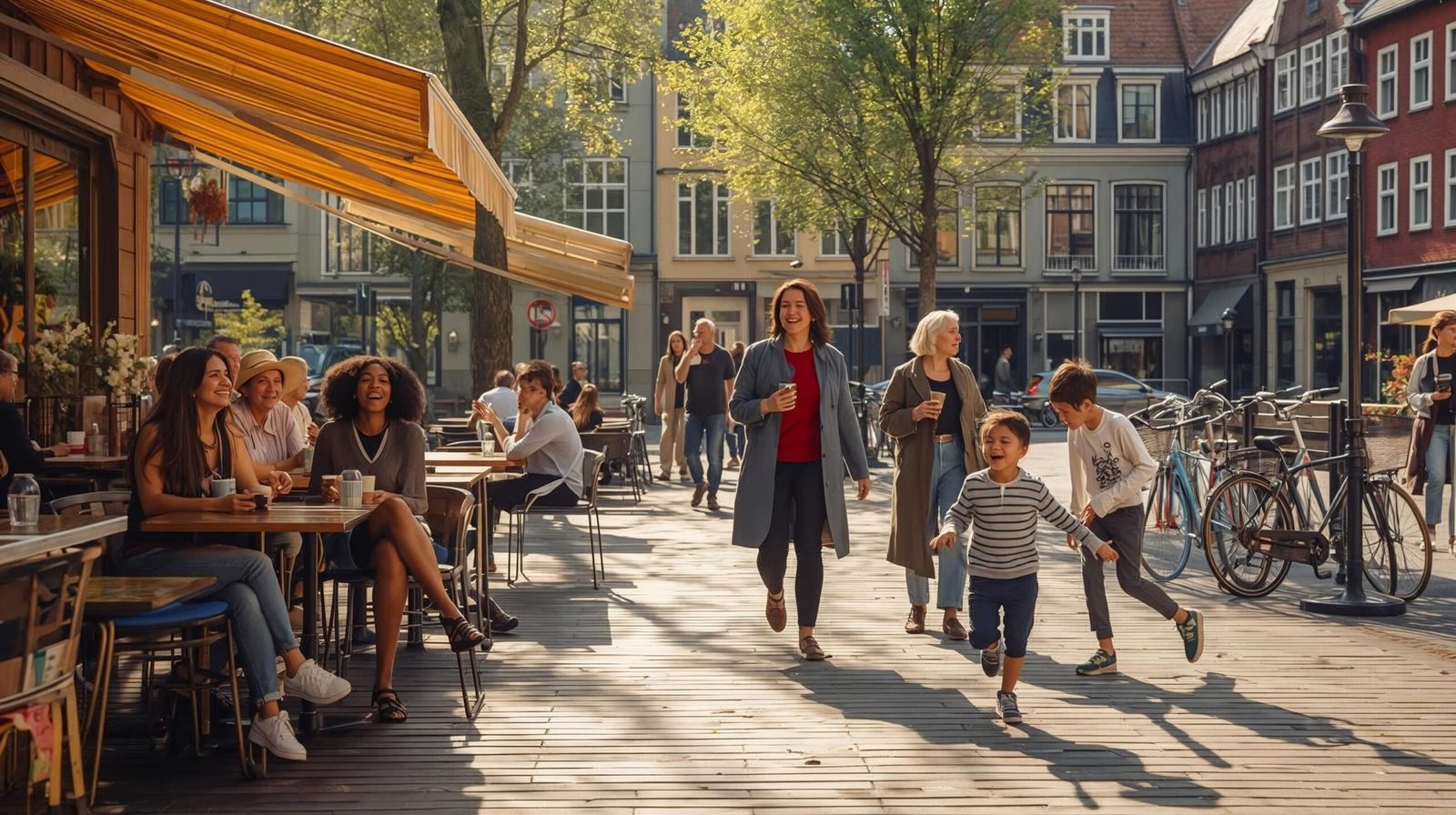
In San Luis Obispo, urban design encourages walking, spontaneous interaction, and civic engagement. Neighbours know each other. Public spaces are vibrant.
Loneliness, by contrast, is one of the silent epidemics of modern civilisation. Buettner demonstrates that communal belonging outweighs income in predicting life satisfaction.
3. Environment Shapes Behaviour
Rather than relying on willpower, the inhabitants of the blue zones of happiness inhabit environments that make positive behaviour inevitable.
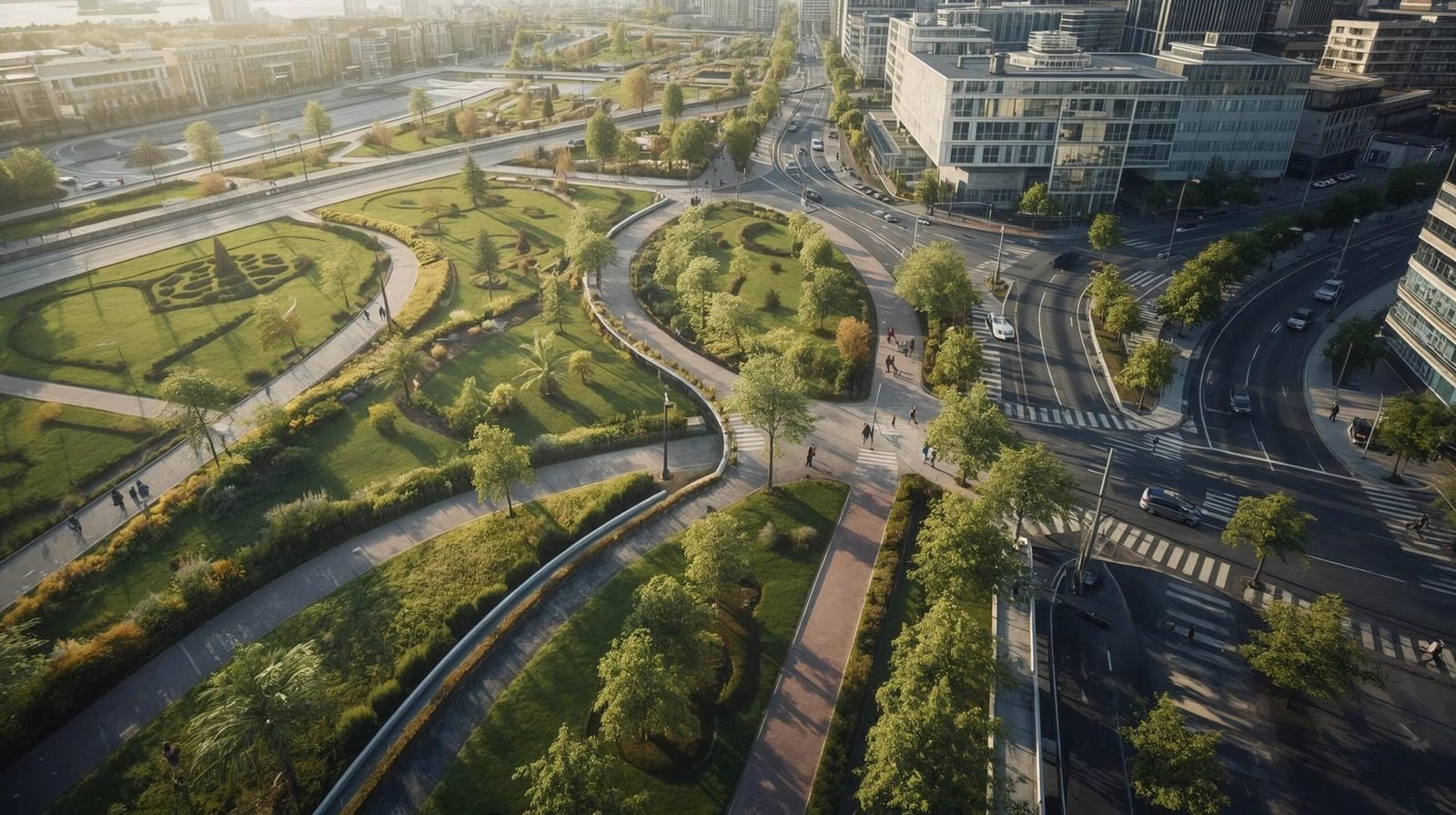
Walkable cities, accessible green spaces, and pedestrian-friendly layouts subtly guide citizens towards healthier routines. The lesson is unmistakable: redesign your surroundings before you attempt to redesign yourself.
4. Financial Stability Without Material Excess
Interestingly, extreme wealth does not correlate with increased happiness. In fact, the blue zones of happiness reveals that after basic needs are met, incremental income offers diminishing emotional returns.
In Aarhus, progressive social systems reduce anxiety around healthcare, education, and unemployment. Security fosters serenity.
5. Freedom and Autonomy
People thrive when granted autonomy over their time and choices. Across the blue zones of happiness, workplace flexibility and social trust contribute immensely to wellbeing.
Autonomy enhances dignity. It nurtures intrinsic motivation.
6. Work-Life Integration
Rather than glorifying exhaustion, communities within the blue zones of happiness emphasise balance.
The Danish concept of hygge—comfort, warmth, conviviality—illustrates the prioritisation of shared experience over relentless productivity.
7. Positive Social Norms
Happiness becomes contagious when culturally reinforced. In these regions, volunteerism, outdoor activity, and civic participation are normalised.
Thus, the blue zones of happiness teaches that joy is socially engineered.
Comparison with Earlier Blue Zones Research
Buettner previously gained prominence for his longevity studies, including investigations in Okinawa and Sardinia. However, the blue zones of happiness shifts the lens from lifespan to life quality.
While longevity emphasised diet and physical habits, happiness emphasises social architecture and psychological fulfilment.
Scientific Foundation Behind The Blue Zones of Happiness
Buettner utilised Gallup-Healthways wellbeing indexes, demographic analytics, and ethnographic immersion.
His approach is neither mystical nor sentimental. Instead, the blue zones of happiness rests upon quantifiable metrics including:
-
Life evaluation scores
-
Emotional health surveys
-
Community engagement indices
-
Financial security measures
The integration of sociology and behavioural science renders this book intellectually persuasive.
Critical Evaluation
While the blue zones of happiness is compelling, it is not immune to critique.
Some may argue that cultural transplantation is difficult. What works in Singapore may not seamlessly translate elsewhere.
Nevertheless, the structural principles—purpose, connection, environment—remain universally applicable.
Practical Applications for Readers
How may one apply the blue zones of happiness personally?
1. Conduct a Social Audit
Identify five individuals who elevate your spirit.
2. Redesign Your Micro-Environment
Encourage walking, reduce digital clutter.
3. Clarify Purpose
Articulate why you rise each morning.
4. Invest in Experiences Over Possessions
The wisdom of the blue zones of happiness is actionable, not abstract.
Why This Book Matters in Modern India
In rapidly urbanising societies like India, stress, competition, and digital overload threaten collective wellbeing.
The insights from the blue zones of happiness are profoundly relevant. As metropolitan regions expand, urban planning and community architecture will determine national mental health trajectories.
Stylistic Brilliance of Dan Buettner
Dan Buettner combines investigative journalism with narrative elegance. His prose is accessible yet scholarly.
He does not preach. He presents evidence and invites reflection.
Key Takeaways from The Blue Zones of Happiness
-
Happiness is structural, not accidental.
-
Social bonds outweigh financial ambition.
-
Urban design influences mental health.
-
Purpose prolongs vitality.
-
Freedom fosters fulfilment.
Repeatedly, the blue zones of happiness reinforces that sustainable joy is communal.


Frequently Asked Questions (FAQs)
1. What is the main idea of the blue zones of happiness?
The book argues that happiness is largely influenced by environment, social connection, and structural systems rather than individual pursuit alone.
2. Who wrote the blue zones of happiness?
It was written by Dan Buettner.
3. Which cities are highlighted in the blue zones of happiness?
Singapore, Aarhus, and San Luis Obispo are prominently featured.
4. Is the blue zones of happiness based on scientific research?
Yes. It integrates Gallup data, demographic studies, and on-ground research.
5. Can individuals apply lessons from the blue zones of happiness in their daily lives?
Absolutely. Social investment, environmental restructuring, and purpose clarification are universally applicable.
Conclusion: The Enduring Power of Structural Joy
In summation, the blue zones of happiness is not merely a literary endeavour—it is a civilisational blueprint.
In a world intoxicated with speed and superficiality, this book reminds us that happiness is deliberate architecture. It is sculpted through policy, nurtured through culture, and sustained through connection.
If one earnestly applies the principles from the blue zones of happiness, transformation is inevitable—not sudden, but steady and profound.
For readers committed to intellectual growth, meaningful living, and societal contribution, this book is indispensable.
Final Reflection
True happiness is neither accidental nor elusive. It is structured. It is cultivated. It is shared.
And perhaps most importantly—it is learnable.
For more profound book insights and intellectual explorations, visit shubhanshuinsights.com — where wisdom meets clarity, and reflection transforms into purposeful living.