Nutrition and Physical Degeneration by Weston A. Price – A Profound Examination of Modern Dietary Collapse
In an age dominated by calorie counting, processed foods, and industrial agriculture, Nutrition and Physical Degeneration by Dr. Weston A. Price stands as one of the most unsettling and intellectually rigorous indictments of modern dietary habits. First published in 1939, this seminal work investigates the alarming relationship between traditional diets and physical health, offering evidence that nutrition and physical degeneration are inseparably linked.
Dr. Price, a pioneering dentist and researcher, travelled across continents to study isolated indigenous populations untouched by modern food systems. His findings were not speculative theories but empirically observed realities—documented through photographs, dental records, and physical examinations. The conclusions he reached remain deeply relevant today, particularly as chronic disease rates surge worldwide.

The Intellectual Context Behind Nutrition and Physical Degeneration
Weston A. Price was not motivated by ideology but by clinical observation. As a practicing dentist, he became increasingly disturbed by the rapid rise in tooth decay, jaw deformities, and facial asymmetry among children in industrialised societies. This observation became the genesis of Nutrition and Physical Degeneration, a work that would eventually challenge the very foundation of modern nutrition science.
Price hypothesised that nutrition and physical degeneration were consequences of abandoning traditional diets in favour of refined flour, sugar, vegetable oils, and canned foods. To test this, he embarked on an extraordinary global journey—studying Swiss villagers, Gaelic islanders, African tribes, Australian Aborigines, Polynesians, and Native American communities.
Traditional Diets vs Modern Diets: A Stark Contrast
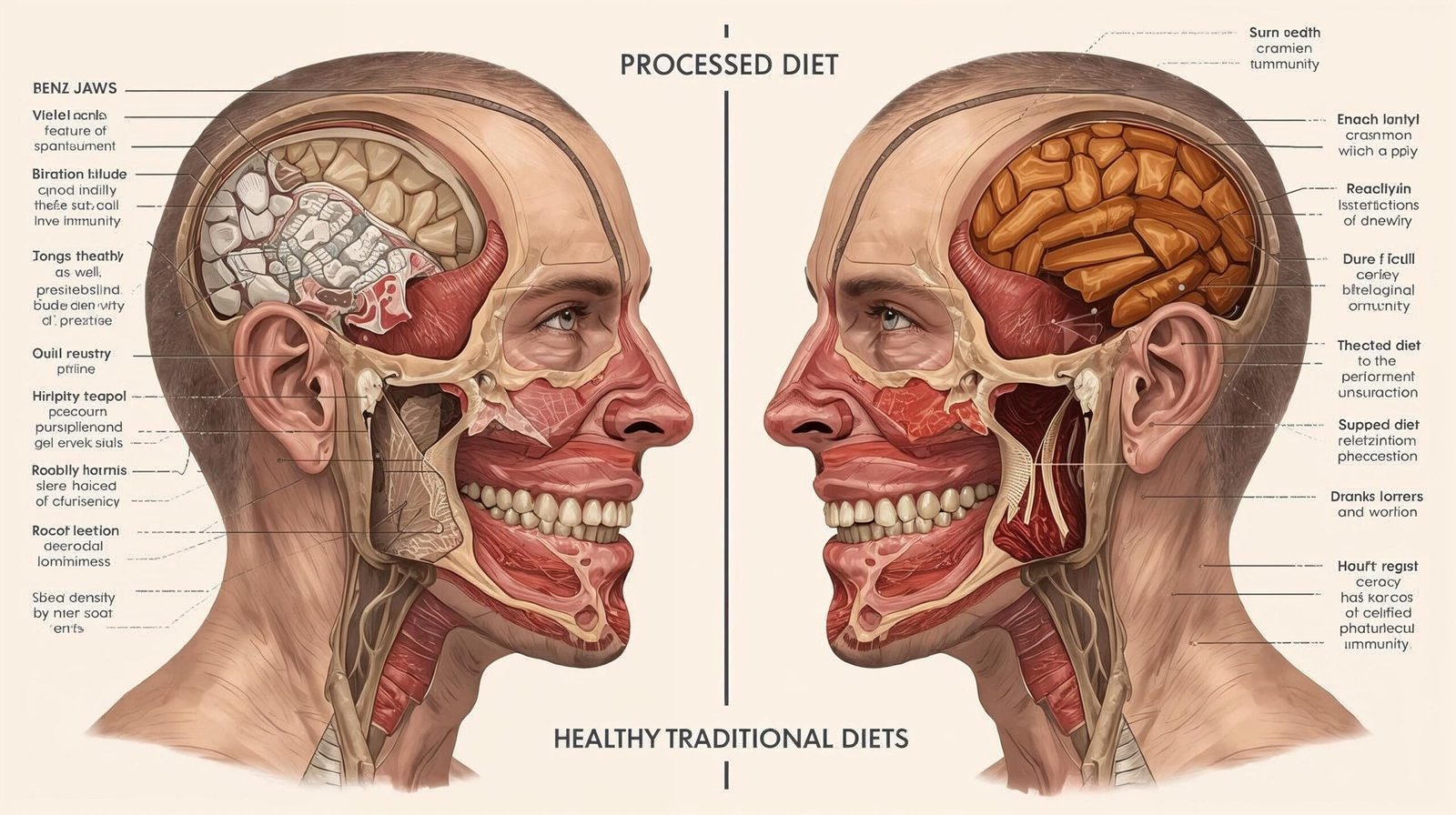
One of the most compelling aspects of Nutrition and Physical Degeneration is the meticulous comparison between traditional and modern diets. Populations consuming native foods—raw dairy, organ meats, seafood, fermented grains, and animal fats—exhibited extraordinary dental health, wide facial structures, and resistance to disease.
Conversely, when these same populations adopted modern dietary staples such as white bread, sugar, and industrial oils, nutrition and physical degeneration manifested rapidly—often within a single generation. Tooth decay became rampant, skeletal deformities emerged, and immunity weakened.
Price’s work demolishes the notion that genetics alone determine health outcomes. Instead, it powerfully demonstrates that dietary quality governs physical development.
Dental Health as a Window Into Systemic Health
A central theme of Nutrition and Physical Degeneration is the role of dental health as a diagnostic indicator of overall wellbeing. Dr. Price argued that tooth decay was not merely a localised issue but a visible symptom of systemic nutritional deficiency.
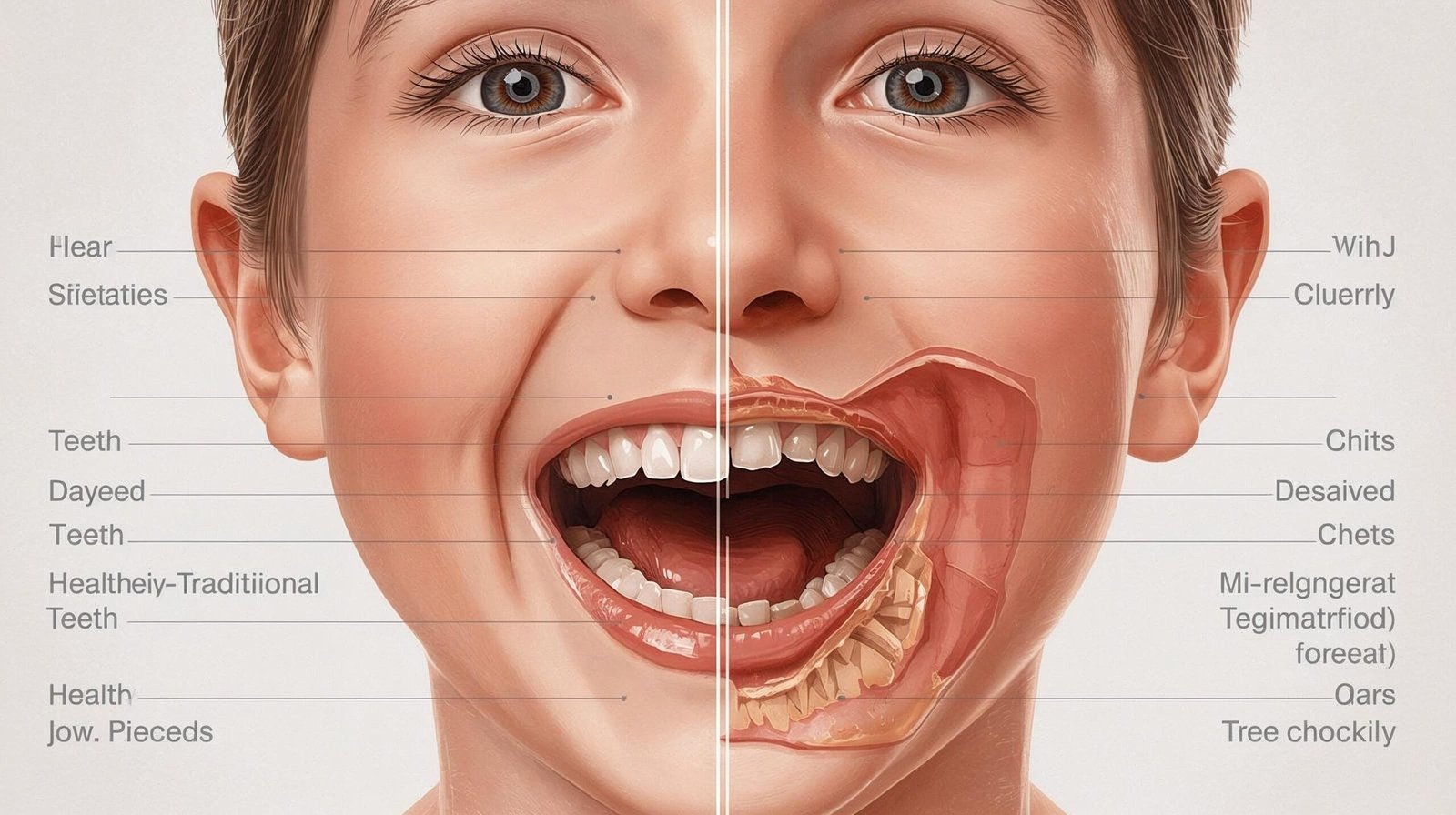
He documented cases where children born to parents consuming modern diets developed narrow dental arches, crowded teeth, and breathing difficulties. These structural changes were not cosmetic—they were physical manifestations of nutrition and physical degeneration, affecting brain development, respiratory efficiency, and disease susceptibility.
The Importance of Fat-Soluble Activators
One of Price’s most revolutionary contributions was his emphasis on fat-soluble nutrients—particularly what he termed Activator X (now understood as Vitamin K2). Alongside Vitamins A and D, these nutrients played a crucial role in mineral absorption, skeletal development, and immune strength.
Traditional societies consumed these nutrients abundantly through butter from grass-fed cows, fish eggs, liver, and animal fats. Modern diets, however, are strikingly deficient in these essential compounds, accelerating nutrition and physical degeneration across populations.
Cultural Isolation as a Protective Factor
Price repeatedly observed that physical excellence persisted only so long as cultural isolation remained intact. Once trade routes introduced refined foods, decline followed swiftly. This pattern was consistent across continents, races, and climates.
This universality strengthens the argument that nutrition and physical degeneration is not a cultural anomaly but a biological certainty when essential nutrients are removed from the human diet.
The Psychological and Moral Implications
Beyond physical decline, Price noted behavioural changes associated with poor nutrition—reduced attention spans, emotional instability, and diminished resilience. He speculated that dietary degeneration could influence moral and social deterioration, a hypothesis that modern neuroscience increasingly supports.
Thus, Nutrition and Physical Degeneration is not merely a nutritional treatise; it is a profound commentary on civilisation itself.
Scientific Criticism and Enduring Relevance
While some critics argue that Price’s methods lacked modern statistical controls, the sheer consistency of his findings cannot be dismissed. Contemporary research in epigenetics, microbiome science, and nutritional anthropology increasingly validates his conclusions.
Modern health crises—obesity, diabetes, autoimmune disease—can be re-examined through the lens of nutrition and physical degeneration, making this book more relevant today than at any time in history.
Why This Book Still Matters Today
In an era saturated with dietary misinformation, Nutrition and Physical Degeneration offers clarity grounded in observation rather than commercial interest. It challenges readers to reconsider deeply held assumptions about progress, convenience, and health.
For anyone serious about understanding the biological cost of modern living, this book is indispensable.
Modern Processed Foods and Their Impact on Health
One of the most striking aspects of Weston A. Price’s work is his documentation of how modern processed foods have radically altered human physiology. In every community he studied, once sugar, white flour, canned goods, and industrial fats were introduced, physical deterioration was swift and unmistakable. Tooth decay became universal, dental arches narrowed, and susceptibility to chronic disease increased.
Price meticulously noted that even occasional consumption of refined foods could initiate subtle changes in physical development. Over generations, these small changes compounded, leading to more pronounced deformities and diminished vitality. This clearly demonstrates the long-term consequences of dietary neglect and reinforces the principle that nutrition and physical degeneration are inextricably linked.
Lessons from Indigenous Populations
The indigenous groups Price studied—such as the Swiss alpine villagers, the Maori of New Zealand, and the Inuit of northern Canada—provided living proof of the protective power of traditional diets. Despite harsh climates and limited technology, these populations exhibited remarkable dental health, robust skeletal structure, and impressive resistance to disease.
Their diets were simple yet extraordinarily nutrient-dense: organ meats, fermented dairy, fish, eggs, whole grains, and natural fats. These communities consumed high levels of fat-soluble vitamins A, D, and K2, which Price identified as critical for bone and dental development. Modern society, by contrast, had largely eliminated these essential nutrients, leading to widespread manifestations of nutrition and physical degeneration.
Structural Changes in Children
Perhaps the most alarming evidence presented in the book is the rapid structural changes observed in children consuming modern diets. Price documented that children in industrialized societies developed narrow jaws, misaligned teeth, and compromised breathing patterns. Such deformities were rare in traditional populations.
This suggests that nutrition and physical degeneration does not merely affect cosmetic appearance but has profound functional implications. Narrow jaws can impede proper breathing and increase susceptibility to sleep apnea, crowded teeth can lead to poor oral hygiene and gum disease, and overall skeletal changes can weaken posture and mobility.
The Role of Dairy and Fermented Foods
Price emphasized the vital role of raw, fermented, or minimally processed dairy in maintaining health. Fermentation preserved nutrients and introduced beneficial bacteria, supporting digestion and enhancing the bioavailability of vitamins and minerals. Similarly, full-fat dairy provided essential fat-soluble vitamins that modern diets have largely removed.
When communities replaced traditional dairy with industrially processed milk or eliminated it entirely, he observed rapid declines in dental and skeletal health. This provides further evidence that nutrition and physical degeneration is often a direct consequence of the removal of natural, nutrient-dense foods from daily consumption.

Meat, Bone Broth, and Organ Consumption
Contrary to many contemporary misconceptions, Price found that meat, bone broth, and organ consumption were indispensable to robust health. These foods were universally consumed by the healthiest populations and provided concentrated sources of minerals, vitamins, and proteins essential for growth and development.
The elimination of these foods in modern diets, replaced by refined carbohydrates and vegetable oils, resulted in reduced mineral density, poor immune function, and stunted physical development. This correlation underscores the role of traditional animal-based foods in preventing nutrition and physical degeneration.
Sugar: The Silent Destroyer
Sugar was perhaps the single most destructive modern dietary factor identified by Price. Even modest sugar consumption in previously healthy populations led to rapid increases in dental caries, malformation of dental arches, and compromised immunity.
Price’s meticulous photographic documentation contrasts children from sugar-free indigenous diets with those exposed to processed sugar. The differences are striking—highlighting that nutrition and physical degeneration is accelerated by industrialized food additives rather than solely by lifestyle or genetics.
The Connection Between Diet and Mental Health
Price observed not only physical changes but also behavioral and cognitive effects associated with poor diets. Children consuming processed foods often exhibited irritability, reduced attention span, and diminished learning capacity. Adults showed increased susceptibility to anxiety, depression, and other mood disorders.
These findings suggest that the consequences of nutrition and physical degeneration extend beyond physical health. Mental well-being, cognitive development, and social behavior are all closely linked to diet quality, reinforcing the urgency of returning to nutrient-dense, traditional food practices.
Case Studies: A Global Perspective
Price’s research spanned multiple continents, cultures, and climates. From the isolated islands of the Pacific to the highlands of Africa and Europe, he observed consistent patterns. Societies maintaining traditional diets thrived with wide dental arches, strong immune systems, and robust physical vitality. Communities exposed to modernized foods declined rapidly.
Such global consistency provides compelling evidence that nutrition and physical degeneration is a universal phenomenon, not confined to any particular race, region, or climate. It is a function of dietary choices, underscoring the universal principles of human nutrition.
Modern Applications and Relevance
Today, Price’s work serves as a guidepost for those seeking to reverse the consequences of modern eating. Increasingly, functional medicine practitioners, nutritional therapists, and health-conscious individuals are revisiting traditional dietary patterns. Foods rich in fat-soluble vitamins, organ meats, bone broths, fermented foods, and minimally processed natural ingredients are gaining renewed attention.
By embracing these dietary principles, modern populations can mitigate the impacts of nutrition and physical degeneration, restore dental health, improve skeletal structure, and enhance overall vitality. Price’s observations are not relics of history—they are a blueprint for nutritional redemption.
Understanding Modern Misconceptions
Modern society often underestimates the critical role of nutrients that Price identified. For example, the demonization of saturated fats and cholesterol contributed to the rise of processed alternatives lacking essential vitamins. Similarly, the overemphasis on calorie counting ignores nutrient density, which is fundamental to preventing nutrition and physical degeneration.
Education and awareness are therefore key. By understanding the mistakes of the past and examining Price’s rigorous evidence, individuals can make informed dietary decisions that support long-term health rather than accelerate decline.

Community Health Implications
On a societal scale, the principles outlined in Nutrition and Physical Degeneration have profound implications. Widespread adoption of nutrient-poor diets increases healthcare burdens, lowers population resilience, and diminishes quality of life. Preventive strategies, such as promoting traditional diets and reducing processed food consumption, could significantly reduce rates of chronic disease and physical degeneration across entire populations.
Price’s work reminds us that nutrition and physical degeneration is not only a personal health issue but also a public health crisis, demanding attention from policymakers, educators, and community leaders.
The Role of Modern Agriculture in Nutritional Decline
One of the underlying causes of physical degeneration observed in contemporary societies is the shift in agricultural practices over the last century. Industrialized farming prioritizes yield over nutrient density, often depleting soil of essential minerals. Crops are grown with synthetic fertilizers and pesticides, which can reduce the natural vitamin and mineral content of food. Price’s research anticipated many of these issues, emphasizing that nutrient-poor foods directly impact dental health, bone strength, and overall vitality.
Modern agriculture also encourages monoculture—cultivating the same crop repeatedly—which further reduces soil fertility and nutrient availability. This contrasts sharply with traditional agricultural methods, which rotated crops, incorporated organic fertilizers, and maintained biodiversity to ensure soil health. These practices helped traditional societies maintain nutrient-rich diets and robust health across generations.
Hydration and the Importance of Natural Water Sources
Another factor Price observed among healthy, traditional populations was the quality of water consumed. Many indigenous communities relied on clean spring water, streams, or naturally filtered sources. This water provided essential minerals and contributed to overall bodily health.
In contrast, modern urban populations frequently consume water that is heavily treated, often lacking in beneficial minerals. Bottled water, while convenient, may be stripped of natural nutrients and sometimes contain chemical additives. Maintaining adequate hydration with mineral-rich water was another subtle yet critical component of the remarkable health observed in traditional populations.
The Psychological Benefits of Traditional Food Preparation
Price also indirectly highlighted the psychosocial benefits of food preparation in traditional societies. Meals were prepared with care, often involving communal participation and mindful consumption. This fostered a sense of connection, reinforced cultural identity, and encouraged moderation.
In modern times, the convenience-driven culture has shifted toward fast food, ready meals, and solitary eating, which can lead to overconsumption and emotional detachment from food. By understanding the holistic role of food—not just as sustenance but as a cultural and social practice—individuals can restore balance and a deeper sense of well-being in their lives.
Lifestyle Factors Complementing Diet
Finally, it is important to note that diet alone is not the sole determinant of health. Price’s research demonstrated that physical activity, exposure to sunlight, sleep patterns, and community engagement all contributed to robust physical development. Traditional populations tended to lead physically active lifestyles, spend time outdoors, and maintain close-knit social structures. These factors amplified the benefits of nutrient-dense diets and protected against many of the ailments observed in modernized communities.
Modern sedentary lifestyles, combined with nutrient-poor diets, exacerbate physical and mental health issues. Integrating daily exercise, outdoor activity, and strong social bonds can help mitigate some of these modern health challenges and improve overall vitality.
Conclusion: A Disturbing Yet Necessary Revelation
Nutrition and Physical Degeneration is not a comfortable book. It confronts readers with the unsettling truth that much of what is considered “modern nutrition” may be fundamentally flawed. Weston A. Price presents irrefutable evidence that nutrition and physical degeneration are the inevitable consequences of dietary impoverishment.
This book does not offer quick fixes or fashionable solutions. Instead, it demands intellectual honesty and a willingness to learn from ancestral wisdom. For readers of shubhanshuinsights.com, this work serves as a powerful reminder that true progress may require looking backward before moving forward.
If civilisation wishes to restore health, vitality, and resilience, it must first reckon with the truths laid bare in this extraordinary and enduring masterpiece.
Frequently Asked Questions (FAQs)
1. What is the central message of Nutrition and Physical Degeneration?
The book argues that modern refined diets are the primary cause of declining physical health, linking nutrition and physical degeneration directly to dietary choices.
2. Is the book scientifically relevant today?
Yes. Many of Price’s observations align with modern research on nutrient density, epigenetics, and chronic disease.
3. Does the book promote any specific diet?
It advocates nutrient-dense, traditional diets rich in natural fats, organ meats, and unprocessed foods.
4. Who should read this book?
Health professionals, nutrition enthusiasts, anthropologists, and anyone concerned about long-term wellbeing.
5. Is this book suitable for beginners?
While dense, it is accessible to serious readers willing to engage with observational science.