Light on Yoga Fitness: A Scholarly Review of B.K.S. Iyengar’s Immortal Yoga Classic
In the vast and increasingly commercialised universe of modern wellness, few works retain the moral gravity, intellectual depth, and physical discipline of Light on Yoga by B.K.S. Iyengar. First published in 1966, this monumental text stands not merely as a yoga manual but as a philosophical and physiological treatise that continues to define light on yoga fitness across generations.
Unlike contemporary yoga books that dilute tradition for accessibility, Iyengar’s work demands sincerity, patience, and unwavering commitment. The concept of light on yoga fitness presented here is not cosmetic or trend-driven; it is austere, transformative, and rooted in centuries-old yogic wisdom.
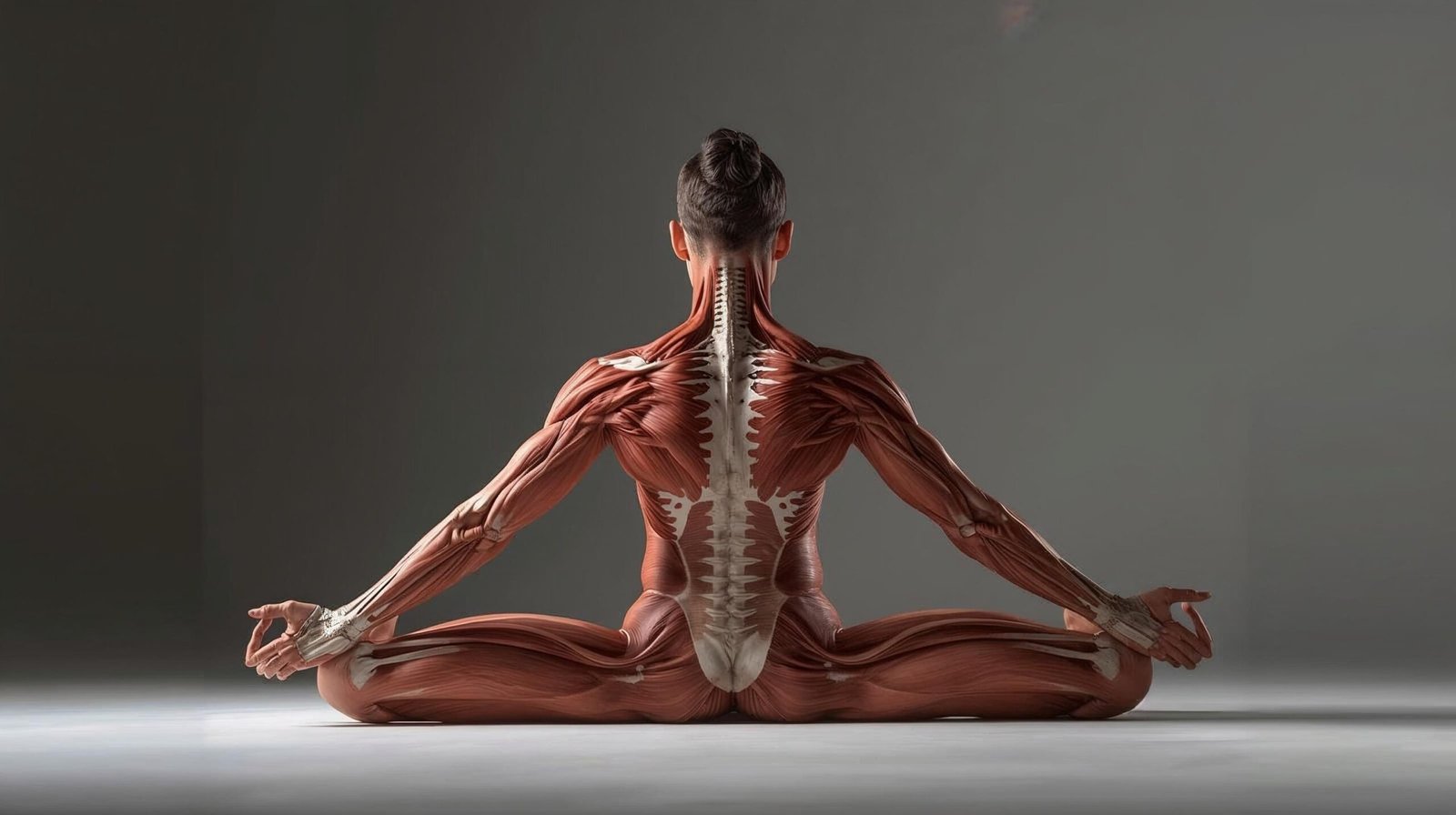
The Author: B.K.S. Iyengar and His Yogic Authority
Bellur Krishnamachar Sundararaja Iyengar was not simply a yoga teacher; he was a reformer who rescued yoga from obscurity and presented it to the world with scientific precision. Through decades of disciplined practice, Iyengar refined postural alignment, therapeutic sequencing, and breath awareness, forming what we now recognise as Iyengar Yoga.
The foundation of light on yoga fitness lies in Iyengar’s belief that the body is the gateway to spiritual liberation. Strength, flexibility, balance, and endurance are not superficial goals but preparatory disciplines for mental stillness and ethical living.
Structure of the Book: A Rigorous Blueprint for Yogic Fitness
Light on Yoga is meticulously structured into three principal dimensions:
-
Asanas (Postures) – Over 200 postures illustrated with clinical precision
-
Pranayama (Breath Control) – Advanced techniques for energy regulation
-
Yogic Philosophy – Rooted in Patanjali’s Yoga Sutras
This architectural clarity reinforces the core idea of light on yoga fitness—that physical mastery must evolve in harmony with mental discipline and ethical restraint.
Asanas: The Physical Foundation of Light on Yoga Fitness
Iyengar’s treatment of asanas is uncompromising. Each posture is described with anatomical clarity, contraindications, benefits, and corrective insights. Unlike casual fitness routines, light on yoga fitness demands alignment perfection, muscular engagement, and sustained awareness.
Key physical benefits include:
-
Progressive muscular strength
-
Exceptional joint mobility
-
Improved spinal integrity
-
Hormonal balance through inverted postures
The discipline cultivated through these asanas forms the cornerstone of authentic light on yoga fitness, far removed from fleeting fitness trends.
Pranayama: Mastery of Breath and Nervous Control
Pranayama in Light on Yoga is introduced cautiously, reinforcing Iyengar’s insistence that breath control must follow physical preparedness. In the context of light on yoga fitness, pranayama is not a relaxation technique but a method of nervous system regulation and internal purification.
Through structured breathing practices, the practitioner gains:
-
Enhanced lung capacity
-
Emotional stability
-
Improved concentration
-
Autonomic nervous system balance
Such outcomes elevate light on yoga fitness from physical conditioning to holistic health mastery.
The Eightfold Path and Ethical Fitness
One of the most overlooked contributions of Light on Yoga is its emphasis on Yama and Niyama—ethical restraints and observances. Iyengar argues convincingly that fitness without moral discipline is incomplete.
In the philosophy of light on yoga fitness, self-control, truthfulness, moderation, and discipline are as vital as flexibility or strength. This ethical dimension distinguishes yoga from ordinary exercise systems.
Mental Discipline and Psychological Strength
Modern fitness literature often ignores the mind. Iyengar does the opposite. He positions mental discipline as both the means and the outcome of light on yoga fitness.
Through sustained postural practice and breath awareness, the practitioner develops:
-
Mental resilience
-
Emotional regulation
-
Freedom from compulsive behaviour
-
Heightened self-awareness
This integration of psychology and physiology makes Light on Yoga profoundly relevant even in contemporary mental health discourse.
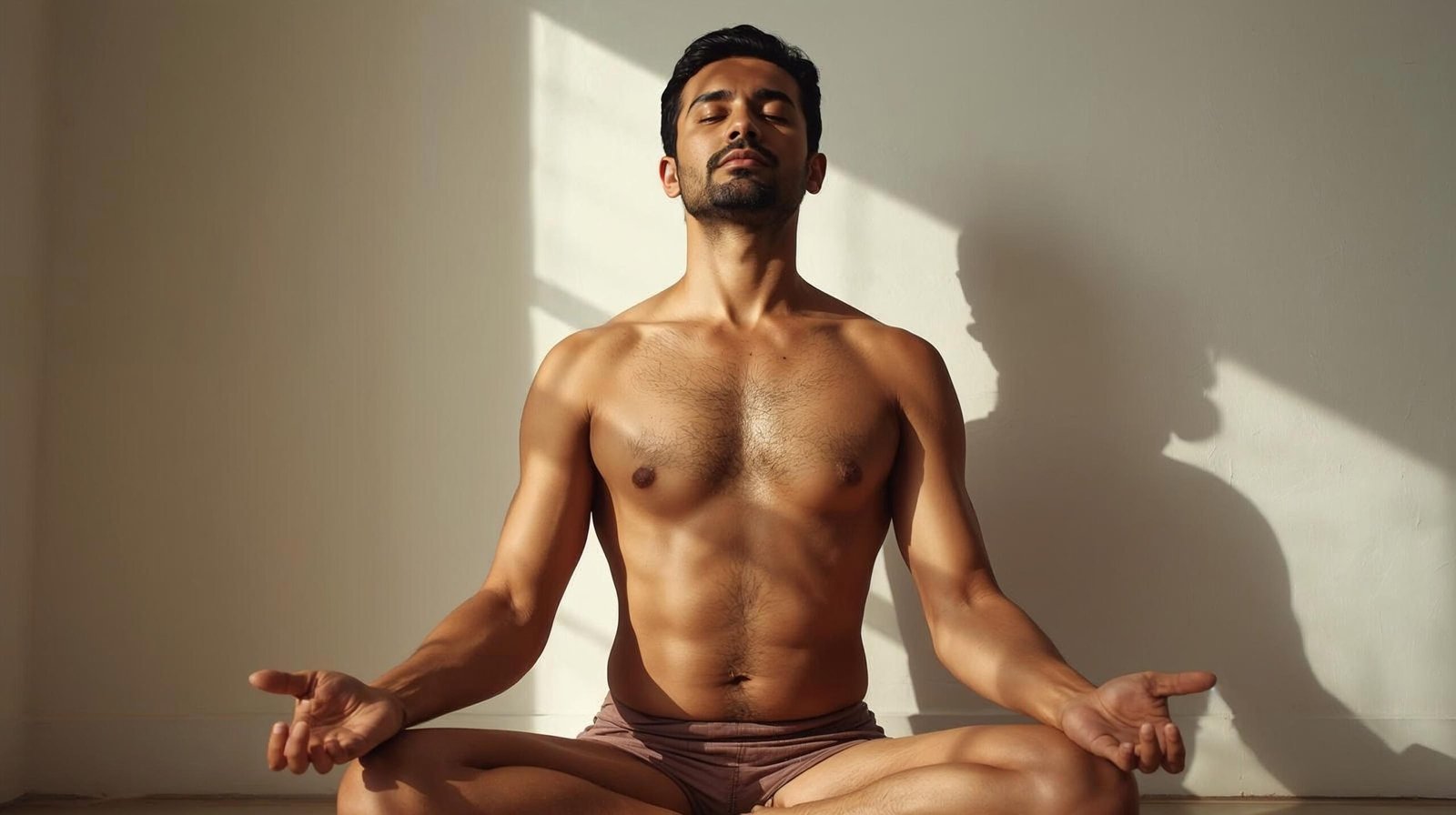
Why Light on Yoga Fitness Remains Relevant Today
Despite being decades old, Light on Yoga remains unmatched in authority. Its relevance stems from three enduring strengths:
-
Scientific Precision – Alignment-based practice backed by therapeutic outcomes
-
Timeless Philosophy – Rooted in classical yoga, immune to trends
-
Transformational Depth – Addresses body, mind, and character
In an era of superficial wellness, light on yoga fitness offers discipline, structure, and long-term transformation.
Who Should Read This Book?
Light on Yoga is ideal for:
-
Serious yoga practitioners
-
Fitness professionals seeking depth
-
Physiotherapists and rehabilitation experts
-
Individuals pursuing disciplined self-improvement
For anyone disillusioned by gimmicky fitness programs, light on yoga fitness provides an intellectually honest and physically demanding alternative.
Criticism and Challenges
It must be acknowledged that Light on Yoga is not beginner-friendly in the casual sense. The instructions are demanding, and the discipline required can feel intimidating.
However, this severity is precisely what preserves the integrity of light on yoga fitness. Iyengar never intended yoga to be easy—only transformative.
Therapeutic Yoga: Iyengar’s Quiet Revolution in Healing
One of the most profound yet understated contributions of Light on Yoga lies in its therapeutic relevance. Long before “corrective exercise” and “rehabilitative fitness” became fashionable buzzwords, B.K.S. Iyengar had already demonstrated how precise yogic postures could address chronic illness, musculoskeletal dysfunction, and psychosomatic disorders.
Iyengar’s method does not treat symptoms in isolation. Instead, it examines the entire bodily system—skeletal alignment, muscular engagement, nervous response, and breath synchronisation. In doing so, the body is restored to its natural equilibrium rather than temporarily relieved. This approach places light on yoga fitness within a medical and rehabilitative framework, making it invaluable not only for healthy individuals but also for those recovering from injury or long-term ailments.
Modern physiotherapists and orthopaedic specialists increasingly acknowledge the structural intelligence embedded in Iyengar’s teachings. Postures such as Trikonasana, Setu Bandha Sarvangasana, and Supta Virasana are no longer viewed merely as yogic exercises but as therapeutic interventions when practiced with precision.
Discipline Over Motivation: Iyengar’s Philosophy of Consistency
Unlike contemporary self-help literature that glorifies motivation, Iyengar’s philosophy is rooted in discipline. Light on Yoga repeatedly emphasises that enthusiasm fluctuates, but discipline must remain constant. This principle alone distinguishes the book from the majority of fitness literature available today.
True progress in yoga, Iyengar asserts, comes not from intensity but from regularity. Even a modest daily practice, when executed with sincerity, surpasses sporadic bursts of extreme effort. This mindset reshapes the practitioner’s relationship with physical training and self-improvement. Instead of chasing external validation, the practitioner learns to cultivate inner order and personal accountability.
In this sense, light on yoga fitness becomes a lifelong discipline rather than a seasonal pursuit. It demands humility, patience, and unwavering commitment—qualities increasingly rare in an era of instant gratification.
Alignment as a Moral Principle
One of the most intellectually striking ideas in Light on Yoga is the notion that physical alignment mirrors moral alignment. Iyengar repeatedly draws parallels between bodily imbalance and ethical inconsistency. When posture collapses, awareness collapses with it.
Each asana becomes a mirror reflecting the practitioner’s mental state. Sloppiness in practice reveals carelessness in thought; rigidity in muscles reflects rigidity of mind. This philosophical depth elevates yoga beyond biomechanics into a practice of self-inquiry.
By insisting on structural accuracy, Iyengar transforms yoga into a discipline of integrity. Every movement must be honest, every adjustment conscious. This is where light on yoga fitness transcends physical training and becomes a moral exercise in precision and truthfulness.

Yoga and Ageing: Strength Without Aggression
A remarkable aspect of Iyengar’s system is its relevance across the lifespan. While many fitness regimes deteriorate joints and exhaust the nervous system over time, Iyengar Yoga adapts gracefully to ageing bodies.
Postures are modified through intelligent sequencing and the use of props, allowing practitioners to maintain strength and mobility well into advanced age. Iyengar himself remained an embodiment of vitality well into his nineties, a living testament to the sustainability of his method.
This adaptability reinforces the credibility of light on yoga fitness as a lifelong practice. It neither glorifies youth nor rejects physical limitation. Instead, it works with the body’s reality at every stage of life, preserving dignity, independence, and functional strength.
The Role of Props: Intelligence Over Ego
One of Iyengar’s most misunderstood innovations is the use of props—blocks, belts, bolsters, and chairs. Critics often mistake their use as a sign of weakness or dilution. In truth, props represent intelligence, not compromise.
Iyengar introduced props to enable correct alignment where flexibility or strength was insufficient. They allow the practitioner to experience the essence of a posture without distortion. This prevents injury, deepens awareness, and encourages humility.
In the philosophy of light on yoga fitness, ego is the greatest obstacle to progress. Props dismantle ego by shifting focus from appearance to experience. The goal is not how far one stretches, but how consciously one inhabits the posture.
Breath as a Bridge Between Body and Mind
Although Light on Yoga is often praised for its physical rigor, its subtle treatment of breath deserves equal attention. Iyengar presents breath not as an accessory to movement but as its governing intelligence.
Breath reveals tension, imbalance, and emotional disturbance long before they manifest physically. By observing the breath during postural practice, the practitioner gains insight into unconscious habits and hidden resistance.
This integration of breath awareness with physical discipline is central to light on yoga fitness. It ensures that strength does not become aggression and flexibility does not become instability. Breath tempers effort with sensitivity.
Yoga Versus Gym Culture
Iyengar’s work stands in stark contrast to contemporary gym culture, which prioritises aesthetics over function and intensity over longevity. Where gym routines isolate muscles, yoga integrates systems. Where gym culture rewards exhaustion, yoga rewards equilibrium.
Light on Yoga challenges the notion that pain equals progress. Instead, it proposes intelligence as the true marker of advancement. This philosophical divergence makes light on yoga fitness particularly relevant for individuals disillusioned by repetitive injuries and burnout caused by conventional fitness regimes.
Yoga, as Iyengar presents it, builds strength without violence and flexibility without recklessness.
The Psychological Architecture of Asanas
Each asana in Light on Yoga serves a psychological purpose. Standing postures cultivate confidence and grounding. Forward bends encourage introspection and surrender. Backbends awaken courage and vitality. Inversions dissolve fear and recalibrate perception.
Iyengar’s genius lies in recognising these psychological effects and structuring practice accordingly. Yoga becomes a method of emotional regulation and character development.
Through this lens, light on yoga fitness emerges as a complete psychological training system disguised as physical practice.
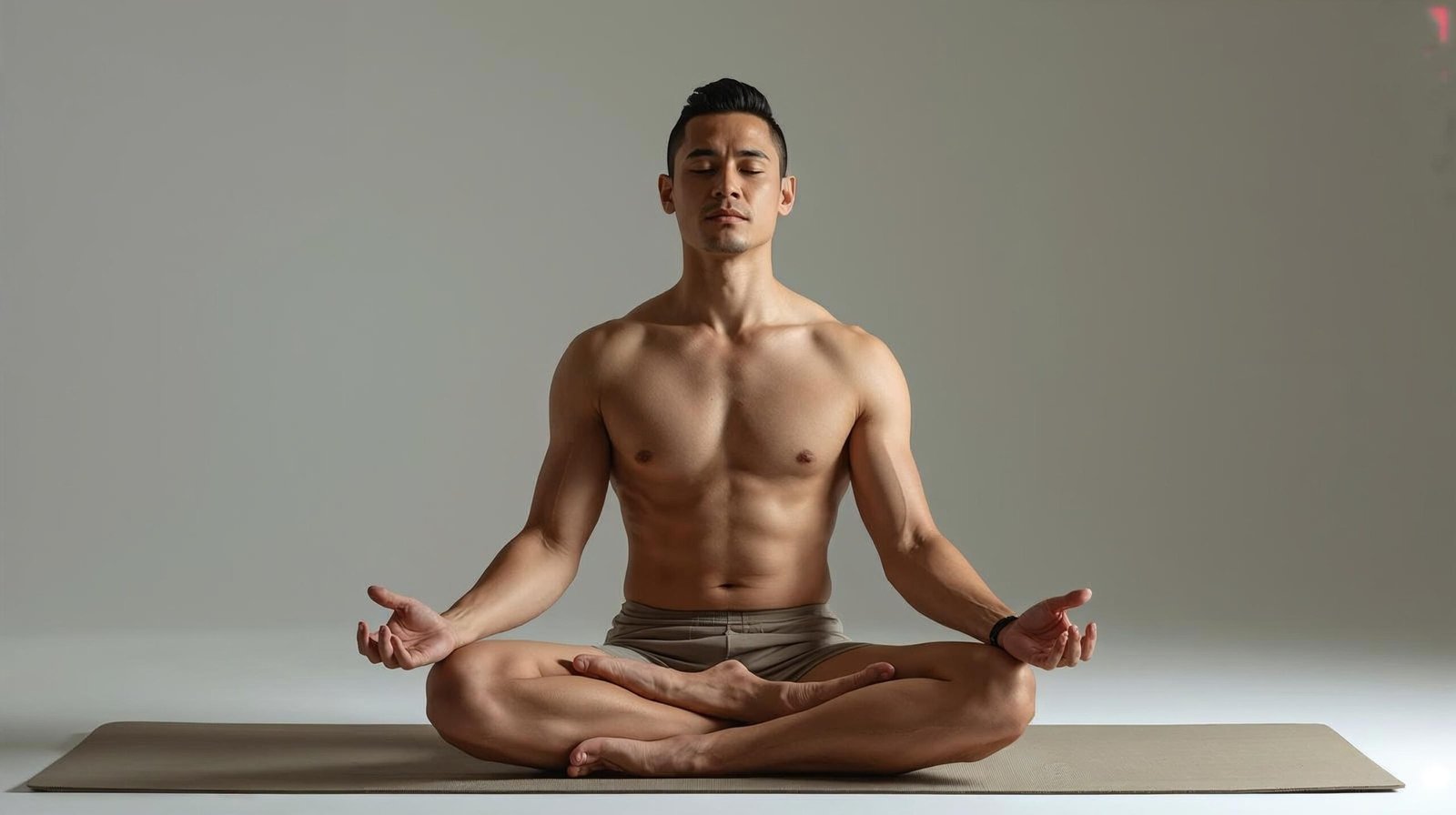
Why This Book Demands Respect, Not Convenience
It must be stated clearly: Light on Yoga does not cater to convenience. It offers no shortcuts, no simplified promises, and no dilution of truth. This uncompromising nature is precisely why it has endured.
Iyengar respected his readers enough to challenge them. He assumed intelligence, discipline, and sincerity. In doing so, he elevated the standard of yoga literature permanently.
Those who persevere discover that light on yoga fitness is not merely about mastering postures, but about mastering oneself.
The Spiritual Anatomy of Practice
Beyond technique and theory, Light on Yoga quietly maps the spiritual anatomy of disciplined living. Iyengar does not treat spirituality as an abstract ideal but as a lived, embodied reality. Every posture, breath, and pause becomes a vehicle for self-observation. The practitioner is repeatedly invited to examine not only physical sensation but also reaction, impatience, fear, and attachment.
This inward gaze distinguishes authentic yogic practice from recreational exercise. Through sustained effort and attentive stillness, the practitioner begins to recognise habitual patterns of resistance and distraction. Over time, these patterns soften, giving rise to greater emotional maturity and clarity of intention. Such internal refinement is gradual, often uncomfortable, yet profoundly liberating.
Effort, Stillness, and the Balance of Opposites
Iyengar’s teaching rests on a paradox: effort must be intense, yet the result must be calm. This balance between exertion and ease lies at the heart of yogic discipline. Excessive force breeds tension; insufficient effort breeds dullness. The practitioner is therefore trained to operate within a narrow but fertile middle ground.
In mastering this equilibrium, one learns a transferable life skill. Professional challenges, interpersonal conflict, and personal setbacks are approached with steadiness rather than impulsiveness. Physical practice becomes rehearsal for psychological composure. Strength is expressed without aggression; determination is exercised without rigidity.
Silence as a Teacher
One of the most understated aspects of Light on Yoga is its respect for silence. Iyengar does not overwhelm the reader with excessive interpretation. Instead, he allows experience to instruct. The practitioner is encouraged to listen—first to the body, then to the breath, and finally to the mind.
Silence, in this context, is not absence but presence. It sharpens perception and deepens learning. Through silence, the practitioner develops sensitivity to subtle adjustments that no external instruction can provide. This quiet intelligence becomes a lifelong guide, reducing dependence on external validation or constant guidance.
Legacy Beyond the Mat
The influence of Iyengar’s work extends far beyond physical practice. It has shaped pedagogy, rehabilitation, and even leadership philosophy. Teachers trained in this method carry forward a culture of precision, patience, and ethical responsibility. Students, in turn, absorb these values consciously or unconsciously.
What emerges is a lineage not defined by branding but by discipline. The book stands as a reminder that true mastery is quiet, earned, and enduring. In a world increasingly distracted by novelty, Light on Yoga calls the reader back to fundamentals—attention, integrity, and perseverance.

Final Reflection: A Discipline That Outlives Trends
As wellness trends rise and fall, Light on Yoga remains immovable. Its authority is not rooted in popularity but in truth. Its relevance does not depend on marketing but on results.
To practice yoga as Iyengar intended is to engage in lifelong refinement—of posture, breath, thought, and conduct. This is the ultimate promise of light on yoga fitness: not temporary transformation, but enduring mastery.
For the serious seeker, this book is not optional reading. It is foundational.
FAQs on Light on Yoga Fitness
1. Is Light on Yoga suitable for beginners?
Yes, but only for disciplined beginners willing to progress gradually. Light on yoga fitness rewards patience and consistency.
2. How is Iyengar Yoga different from modern yoga styles?
Iyengar Yoga prioritises alignment and precision. This makes light on yoga fitness more therapeutic and structurally sound.
3. Can Light on Yoga improve overall fitness?
Absolutely. Strength, flexibility, balance, and endurance are core outcomes of light on yoga fitness.
4. Is this book relevant for modern lifestyles?
More than ever. Light on yoga fitness addresses stress, posture-related disorders, and mental fatigue common today.
5. Does Light on Yoga include spiritual teachings?
Yes. Spiritual development is inseparable from physical practice in light on yoga fitness.
Conclusion: The Enduring Power of Light on Yoga Fitness
Light on Yoga is not a book one merely reads—it is a discipline one lives. B.K.S. Iyengar offers no shortcuts, no motivational slogans, and no diluted promises. What he offers instead is truth: that real fitness is forged through discipline, awareness, and ethical living.
In embracing light on yoga fitness, the practitioner does not merely reshape the body but reclaims mastery over breath, thought, and character. Few fitness philosophies demand so much—and deliver even more.
For readers seeking depth over convenience, and transformation over trends, Light on Yoga remains an uncompromising guide.
Reviewed and published with conviction at shubhanshuinsights.com — where timeless wisdom meets disciplined self-improvement.
Embracing this discipline transforms not only the body but also the mind and spirit, offering clarity, resilience, and an enduring sense of balance that shapes every aspect of life.