Breath Book Summary: A Scientific Exploration of the Forgotten Power of Breathing
Breath book summary discussions are rare despite breathing being the most fundamental act of human survival. In Breath: The New Science of a Lost Art, journalist James Nestor uncovers an astonishing truth: how we breathe matters more than what we eat, how much we exercise, or even how long we sleep. This book is not a wellness fad or a spiritual manifesto; it is a rigorously researched investigation into biology, anthropology, medicine, and history.
This breath book summary offers a comprehensive, critical, and evidence-based overview of James Nestor’s work, revealing why modern humans are breathing incorrectly and how correcting this lost art can radically improve physical and mental health.
Introduction to the Breath Book Summary and Its Importance
The central argument of this breath book summary is deceptively simple: modern humans have forgotten how to breathe properly. Over the past few centuries, industrialisation, dietary changes, soft foods, and sedentary lifestyles have reshaped our jaws, airways, and breathing patterns — with devastating consequences.
James Nestor spent years travelling across the world, studying ancient cultures, working with scientists, and experimenting on himself to understand the physiological impact of breathing. What he discovered challenges long-held medical assumptions and exposes a silent epidemic of dysfunctional breathing.
Who Is James Nestor?
James Nestor is an award-winning science journalist whose work has appeared in The New York Times, The Atlantic, Outside, and Scientific American. His strength lies in translating dense scientific material into compelling narrative journalism.
In this breath book summary, it becomes clear that Nestor’s credibility stems not from ideology, but from first-hand experimentation, peer-reviewed studies, and interviews with leading respiratory scientists.
The Central Thesis of the Breath Book Summary
The core thesis of Breath can be distilled into three powerful truths:
-
Most humans breathe incorrectly
-
Mouth breathing is destructive
-
Slow, nasal breathing is biologically optimal
This breath book summary emphasises that improper breathing contributes to asthma, sleep apnoea, anxiety, obesity, autoimmune disorders, cardiovascular disease, and even facial deformities.
The Science of Nasal Breathing Explained
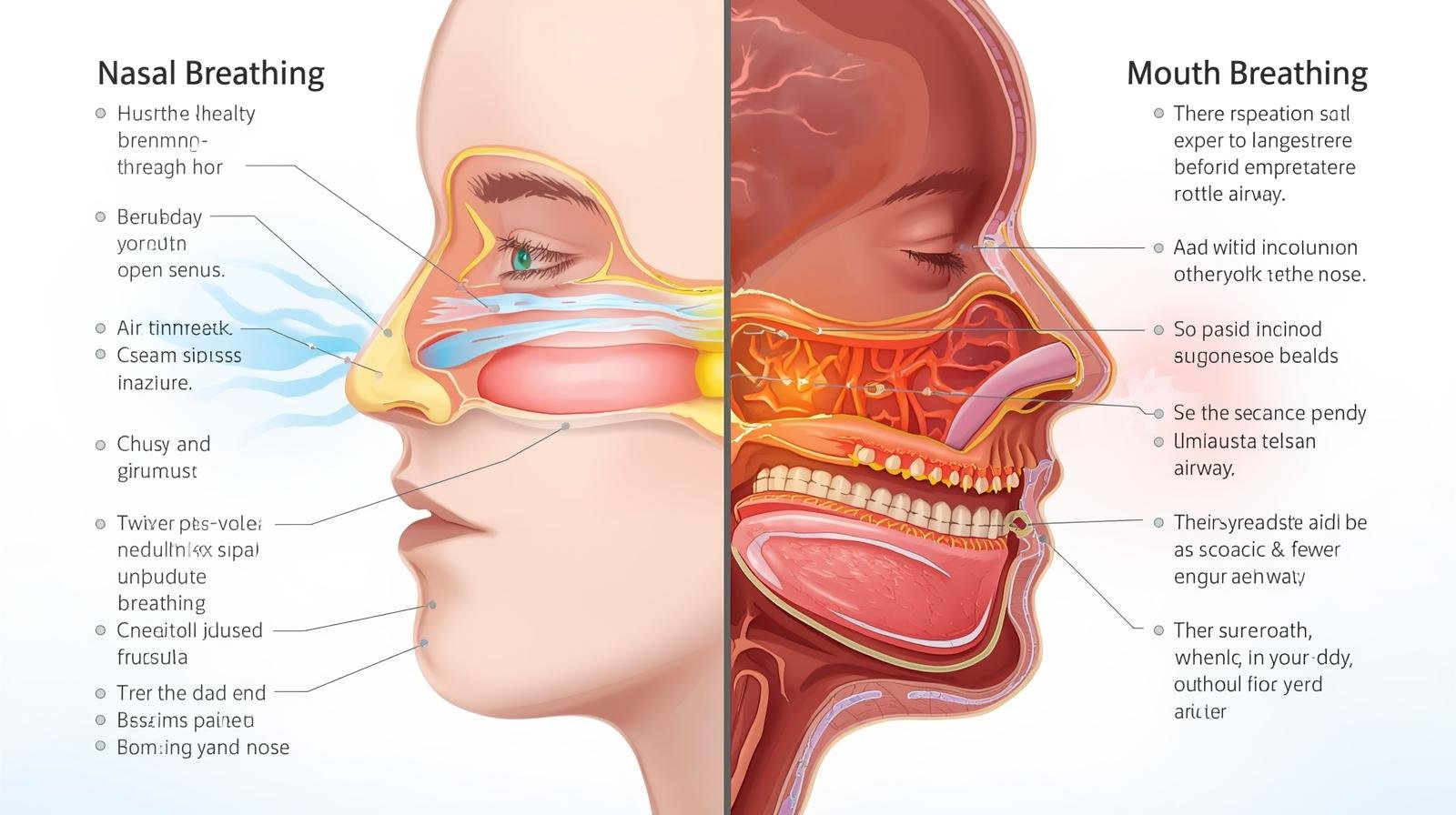
A key focus of this breath book summary is the scientific superiority of nasal breathing over mouth breathing.
Why the Nose Matters
The nose is not merely a passive air passage. It:
-
Filters pathogens and pollutants
-
Humidifies and warms air
-
Produces nitric oxide, which enhances oxygen delivery
-
Regulates airflow resistance for optimal lung function
James Nestor demonstrates that breathing through the mouth bypasses these mechanisms, leading to chronic inflammation and oxygen inefficiency.
The Shocking Mouth-Breathing Experiment
One of the most memorable sections in this breath book summary is Nestor’s self-experiment, where he and another subject sealed their mouths shut for ten days, forcing exclusive mouth breathing.
The results were alarming:
-
Blood pressure spiked
-
Heart rate variability collapsed
-
Sleep quality deteriorated
-
Cognitive performance declined
-
Snoring and sleep apnoea worsened dramatically
When they returned to nasal breathing, these markers improved almost immediately. This experiment alone validates the urgency of the breath book summary’s message.
Evolutionary Decline of Human Breathing
This breath book summary highlights how evolution has paradoxically made modern humans worse breathers.
Ancient skulls show:
-
Wider faces
-
Larger airways
-
Perfectly aligned teeth
Modern humans, however, suffer from:
-
Narrow jaws
-
Crooked teeth
-
Collapsed airways
-
Chronic breathing disorders
The culprit, according to Nestor, is processed food and reduced chewing, which altered facial development over generations.
Ancient Breathing Techniques Rediscovered
Another essential component of this breath book summary is the revival of ancient breathing practices that modern science now validates.
Pranayama, Tummo, and Buteyko
James Nestor explores:
-
Pranayama from yogic traditions
-
Tummo breathing used by Tibetan monks to generate body heat
-
Buteyko method, a clinical approach for asthma management
Each technique reinforces the same principle: slow, controlled, nasal breathing restores physiological balance.
Breathing and Carbon Dioxide: The Forgotten Relationship
One of the most misunderstood aspects addressed in this breath book summary is the role of carbon dioxide (CO₂).
Contrary to popular belief:
-
CO₂ is not merely a waste gas
-
It is essential for oxygen release into tissues
-
Over-breathing reduces CO₂ levels, causing oxygen starvation
This phenomenon, known as the Bohr Effect, explains why deep, forceful breathing often worsens anxiety and asthma.

The Optimal Breathing Formula
According to this breath book summary, the ideal breathing pattern is:
-
Inhale for ~5.5 seconds
-
Exhale for ~5.5 seconds
-
Total of ~5.5 breaths per minute
This rhythm activates the parasympathetic nervous system, lowering stress hormones and improving cardiovascular efficiency.
Breathing, Sleep, and Modern Disease
Sleep disorders receive significant attention in this breath book summary.
James Nestor explains how:
-
Mouth breathing worsens snoring
-
Nasal obstruction leads to sleep apnoea
-
Poor breathing disrupts REM sleep
Simple interventions such as mouth taping at night showed dramatic improvements in sleep quality and energy levels.
Breathing and Mental Health
This breath book summary strongly links breathing patterns with mental health.
Improper breathing contributes to:
-
Chronic anxiety
-
Panic disorders
-
ADHD symptoms
-
Depression
Controlled nasal breathing, on the other hand, improves vagal tone and emotional regulation — a finding supported by neuroscience.
Practical Lessons from the Breath Book Summary
James Nestor does not merely diagnose the problem; he offers actionable solutions.
Key Practices Recommended
-
Always breathe through the nose
-
Slow down breathing rate
-
Extend exhalations
-
Practice breath holds
-
Strengthen respiratory muscles
These practices require no equipment, no supplements, and no medication — making them universally accessible.
Why This Breath Book Summary Matters Today
In a world obsessed with diets, fitness hacks, and biohacking gadgets, Breath reminds us that health begins with the most basic human function.
This breath book summary underscores a sobering reality: modern medicine often treats symptoms while ignoring breathing dysfunction at the root.
Criticisms and Limitations
A balanced breath book summary must acknowledge criticisms.
Some experts argue:
-
Certain claims rely heavily on anecdotal evidence
-
Long-term studies are still emerging
-
Not all techniques suit every individual
However, even sceptics concede that nasal breathing and reduced breathing rates are broadly beneficial.
The Physiology of Breathing and Cellular Energy
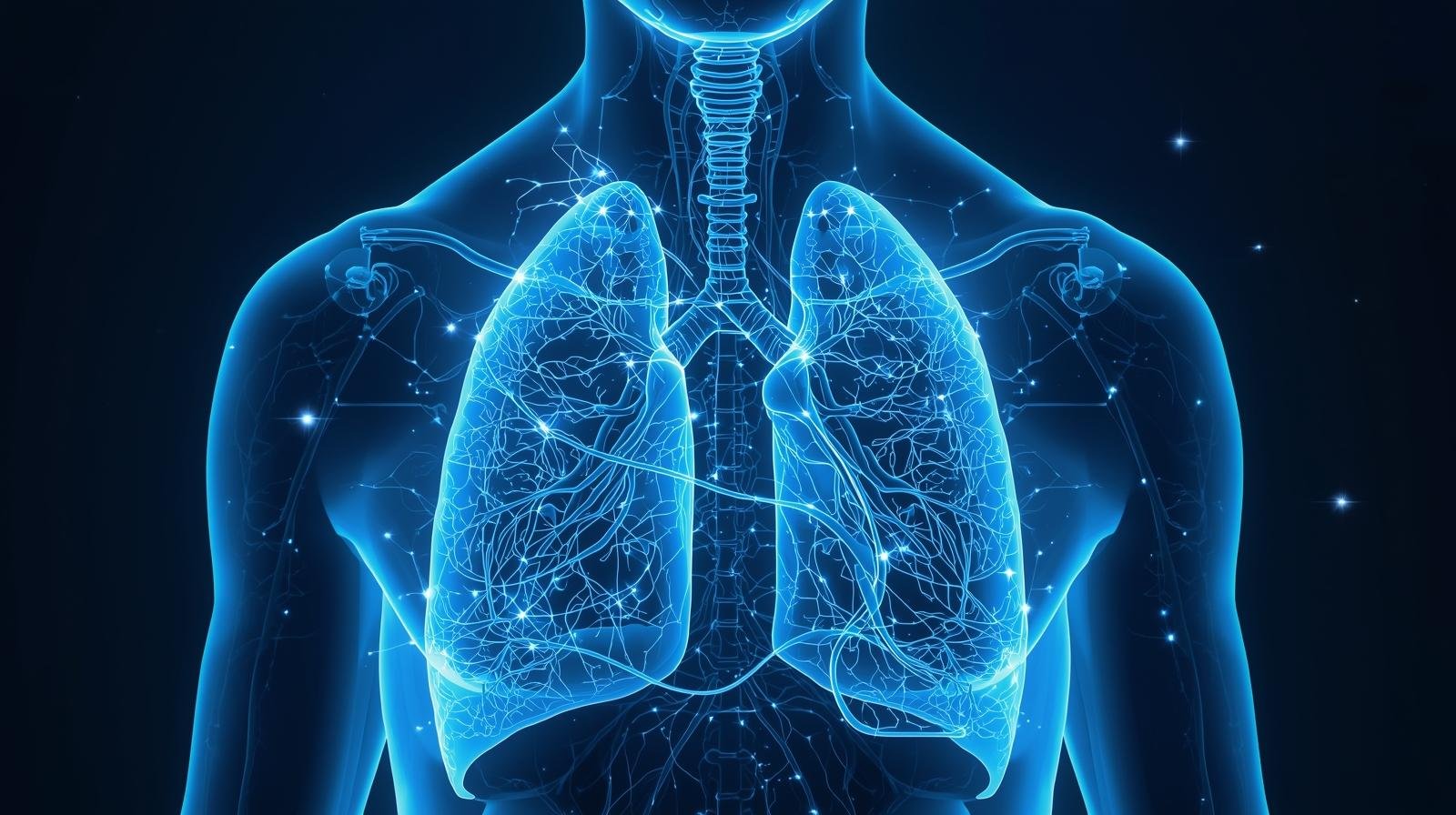
Breathing is often misunderstood as a mere exchange of oxygen and carbon dioxide. In reality, it is a finely tuned biological process that governs cellular energy production. Oxygen is only useful when it reaches the mitochondria — the energy factories of the cell. Poor breathing mechanics can prevent oxygen from being released efficiently, regardless of how much air enters the lungs.
James Nestor emphasises that excessive breathing paradoxically reduces oxygen availability at the cellular level. This occurs because rapid or forceful breathing lowers carbon dioxide concentration in the blood, impairing oxygen delivery. The result is fatigue, brain fog, cold extremities, and reduced physical endurance — symptoms frequently misattributed to ageing or stress.
Modern Lifestyle and Respiratory Dysfunction
Urban living has quietly reshaped how humans breathe. Air-conditioned environments, prolonged sitting, screen dependency, and poor posture all contribute to shallow chest breathing. Over time, this dysfunctional pattern becomes automatic.
The book highlights how children raised indoors, exposed to allergens and pollution, develop compromised airways early in life. Orthodontic interventions often treat symptoms — such as crooked teeth — without addressing the underlying cause: underdeveloped facial structure due to insufficient chewing and nasal airflow.
Breathing and Athletic Performance
Elite athletes have long understood the power of respiratory control. Endurance runners, free divers, martial artists, and swimmers all train their breath with the same seriousness as their muscles.
Nestor explores how controlled breathing:
-
Improves oxygen efficiency
-
Delays fatigue
-
Enhances recovery
-
Stabilises heart rhythm
Free divers, in particular, demonstrate extraordinary tolerance to carbon dioxide, allowing them to remain underwater for minutes without distress. Their training reveals that discomfort from breath-holding arises more from carbon dioxide sensitivity than oxygen deprivation.
Respiratory Muscles: The Forgotten System
While fitness culture glorifies visible muscles, the respiratory system remains neglected. The diaphragm, intercostal muscles, and accessory breathing muscles weaken with age and inactivity.
The book demonstrates that strengthening these muscles improves lung capacity and resilience. Simple practices such as resisted breathing, breath holds, and nasal restriction training can restore youthful respiratory efficiency even in older adults.
Stress, Trauma, and Breathing Patterns
Emotional stress leaves a measurable imprint on breathing. Anxiety shortens inhalations, accelerates breathing rate, and activates the sympathetic nervous system. Over time, this pattern reinforces chronic tension.
Nestor references research showing that trauma survivors often exhibit irregular breathing rhythms long after the triggering event has passed. Conscious breath regulation has been shown to calm the amygdala and restore autonomic balance.
This explains why breathwork is increasingly used in psychotherapy, addiction recovery, and trauma treatment.
Cultural Amnesia Around Breathing
Ancient civilisations considered breath sacred. In Latin, spiritus meant both breath and soul. In Greek, pneuma referred to life force. Eastern traditions linked breath to consciousness itself.
Modern society, however, reduced breathing to an involuntary reflex — stripping it of intention and awareness. This cultural amnesia, Nestor argues, has cost humanity dearly in terms of health and resilience.
The Medical Blind Spot
Despite overwhelming evidence, respiratory behaviour receives minimal attention in conventional healthcare. Doctors routinely prescribe medication for asthma, anxiety, and sleep disorders without assessing breathing patterns.
The book criticises this reactive approach, arguing that many chronic conditions could be mitigated or prevented through respiratory rehabilitation. While medication remains essential in acute cases, long-term dependence often masks a solvable behavioural issue.
Breathing and Immune Function
Emerging research suggests a strong link between respiratory efficiency and immune response. Nasal breathing enhances nitric oxide production, which possesses antimicrobial properties.
Additionally, slow breathing reduces systemic inflammation by modulating cortisol levels. Chronic inflammation lies at the root of numerous degenerative diseases, making breath regulation a powerful preventive tool.

The Economics of Dysfunctional Breathing
Healthcare systems spend billions treating diseases exacerbated by improper respiration. Sleep apnoea alone accounts for enormous economic loss due to reduced productivity, accidents, and cardiovascular complications.
Nestor implies that widespread education on breathing could yield one of the highest returns on investment in public health history — yet it remains largely ignored due to lack of commercial incentive.
Technology and the Breath Paradox
Ironically, technology has both harmed and revived interest in breathing. Wearables now track respiratory rate, heart rate variability, and sleep cycles, revealing patterns previously invisible.
While screens encourage shallow breathing, data-driven insights are empowering individuals to recognise dysfunction and correct it. The book warns, however, that no device can replace conscious awareness.
Longevity and Respiratory Efficiency
Long-lived populations around the world share common traits: slow breathing, nasal dominance, and low resting heart rates. These traits correlate strongly with reduced oxidative stress and improved metabolic efficiency.
Respiration influences lifespan by regulating the balance between oxygen use and cellular damage. Excess oxygen accelerates ageing, while efficient utilisation preserves vitality.
Children, Education, and Breathing Awareness
The book strongly advocates teaching breathing fundamentals in schools. Children who learn nasal breathing early develop stronger airways, better posture, and improved concentration.
Studies cited show that students who adopt slow breathing techniques demonstrate improved academic performance and emotional regulation — benefits extending far beyond physical health.
Practical Integration into Daily Life
The brilliance of Nestor’s work lies in its practicality. Breathing improvements require no lifestyle overhaul. They integrate seamlessly into daily routines — walking, sleeping, working, and exercising.
Consistency matters more than intensity. Small changes, practised daily, compound into profound transformation over time.
A Quiet Revolution in Health
This book does not promise miracles. Instead, it proposes something far more radical: reclaiming a biological function humans were born knowing, but gradually forgot.
Breathing is democratic. It belongs to everyone, regardless of age, income, or geography. In an era of rising healthcare costs and declining well-being, this simplicity is revolutionary.
Breathing as a Tool for Self-Regulation and Awareness
One of the most understated yet profound insights presented in the book is the role of breathing in self-regulation. Unlike most physiological processes, respiration exists at the intersection of the conscious and unconscious mind. This unique position allows it to serve as a bridge between voluntary control and automatic bodily functions.
When individuals consciously alter their breathing patterns, they directly influence heart rate, blood pressure, and nervous system balance. Slow, rhythmic breathing stimulates the parasympathetic response, encouraging calmness and clarity. Conversely, erratic breathing reinforces stress and emotional instability. This mechanism explains why breathing exercises are now incorporated into mindfulness practices, military training, and even high-stakes corporate environments.
The book also highlights how awareness of breathing cultivates presence. In a world dominated by constant distraction, reconnecting with the breath anchors attention in the present moment. This grounding effect enhances decision-making, emotional resilience, and mental endurance.
Importantly, the author stresses that breathing is not about perfection but consistency. Occasional lapses into shallow or hurried breathing are inevitable. What matters is the ability to notice and gently correct these patterns over time. This compassionate approach prevents the practice from becoming another source of pressure or self-criticism.
Ultimately, the act of breathing serves as a reminder of human adaptability. Even after years of dysfunction, the body responds quickly to improved respiratory habits. This capacity for rapid correction offers hope — not only for physical recovery, but for restoring balance in an increasingly overstimulated world.

Final Reflection
James Nestor’s work challenges readers to confront an uncomfortable truth: many modern ailments are self-inflicted, not through neglect, but through unconscious habit.
By restoring awareness to the act of breathing, individuals reclaim agency over their health. This is not alternative medicine, nor ancient mysticism — it is applied physiology grounded in science.
For readers seeking sustainable, lifelong improvement rather than quick fixes, this book offers a rare gift: control over the most essential process of life itself.
FAQs on Breath Book Summary
1. What is the main message of the breath book summary?
The main message is that breathing technique directly influences physical and mental health.
2. Is Breath scientifically credible?
Yes, the breath book summary is grounded in peer-reviewed research and expert interviews.
3. Can breathing really improve chronic diseases?
According to this breath book summary, improved breathing can significantly alleviate many conditions.
4. Is mouth taping safe?
For most healthy individuals, the breath book summary suggests it is safe when done cautiously.
5. Who should read this book?
Anyone interested in health, longevity, performance, or stress management will benefit from this breath book summary.
Conclusion: Final Thoughts from ShubhanshuInsights.com
This breath book summary makes one truth painfully clear: we are suffocating ourselves slowly, not from lack of air, but from ignorance.
James Nestor’s Breath: The New Science of a Lost Art is a wake-up call — unsettling, empowering, and transformative. It strips away modern health myths and returns us to a biological wisdom we abandoned long ago.
At shubhanshuinsights.com, we believe that true self-improvement begins with awareness. Breathing is not merely a reflex; it is a skill — and like all skills, it can be mastered.
If you change nothing else after reading this breath book summary, change how you breathe. Your body, mind, and future self will thank you.
In an age dominated by complexity and artificial solutions, this work quietly restores attention to a truth both ancient and universal. Mastery of health does not begin with extremes, but with awareness. By reclaiming control over a function so elemental, readers are reminded that transformation often starts not with addition, but with conscious return to what was never meant to be lost.