Younger Next Year by Chris Crowley & Henry Lodge, MD: A Definitive Review
Ageing is often accepted as an unavoidable decline—a slow erosion of vitality, strength, and purpose. However, Younger Next Year boldly challenges this assumption. Written by lawyer-turned-author Chris Crowley and physician Henry Lodge, MD, this book delivers a radical yet evidence-based proposition: most of what we call ageing is optional.
This detailed review explores the philosophy, science, and practical wisdom behind Younger Next Year, explaining why it has become a modern classic in preventive health and longevity literature.

Understanding the Central Promise of Younger Next Year
At its core, Younger Next Year argues that the human body is biologically designed to thrive well into old age—provided it is used correctly. According to Dr Lodge, inactivity, poor nutrition, and chronic stress prematurely trigger biological decay.
The book’s central thesis is clear:
You do not grow old because of time; you grow old because of disuse.
This powerful idea forms the foundation of the younger next year philosophy.
The Unusual but Effective Two-Voice Narrative
One of the most engaging aspects of Younger Next Year is its conversational structure. Chris Crowley represents the sceptical, ageing reader, while Dr Lodge delivers firm, science-based guidance with refreshing candour.
This dialogue format makes the complex science behind ageing accessible, relatable, and often humorous—without diluting its seriousness.
Rule One: Exercise Is Not Optional
The cornerstone of Younger Next Year is regular, vigorous exercise. The authors insist that exercise is not merely beneficial—it is non-negotiable.
According to the book:
-
Exercise should be performed six days a week
-
It must include cardio, strength training, and flexibility
-
Walking alone is insufficient
Scientific research cited in Younger Next Year demonstrates that exercise:
-
Rebuilds mitochondria
-
Reduces systemic inflammation
-
Improves insulin sensitivity
-
Protects the brain from cognitive decline
In essence, consistent exercise keeps you biologically younger next year than you are today.
The Role of Inflammation in Accelerated Ageing
Dr Lodge identifies chronic inflammation as the true enemy of longevity. Unlike acute inflammation, which heals, chronic inflammation silently destroys tissues and organs over time.
The younger next year programme combats inflammation through:
-
Regular physical activity
-
A Mediterranean-style diet
-
Stress management
-
Adequate sleep
The book explains that reducing inflammation can dramatically lower the risk of heart disease, cancer, diabetes, and dementia.
Nutrition: Eating to Age Backwards
While Younger Next Year does not promote extreme dietary restrictions, it strongly advocates intelligent eating.
Key dietary principles include:
-
Emphasising fruits, vegetables, whole grains, and healthy fats
-
Reducing refined sugars and processed foods
-
Prioritising lean protein
The authors stress that diet alone cannot compensate for inactivity. Nutrition and exercise must work together to achieve the younger next year effect.
The Psychological Component of Staying Young
Beyond physiology, Younger Next Year highlights the importance of emotional engagement and purpose. Retirement, when coupled with disengagement, is portrayed as a major risk factor for premature ageing.
Dr Lodge argues that humans are biologically wired for contribution. Staying socially connected, intellectually curious, and emotionally invested is essential to remaining younger next year.
Why Men Were the Original Audience
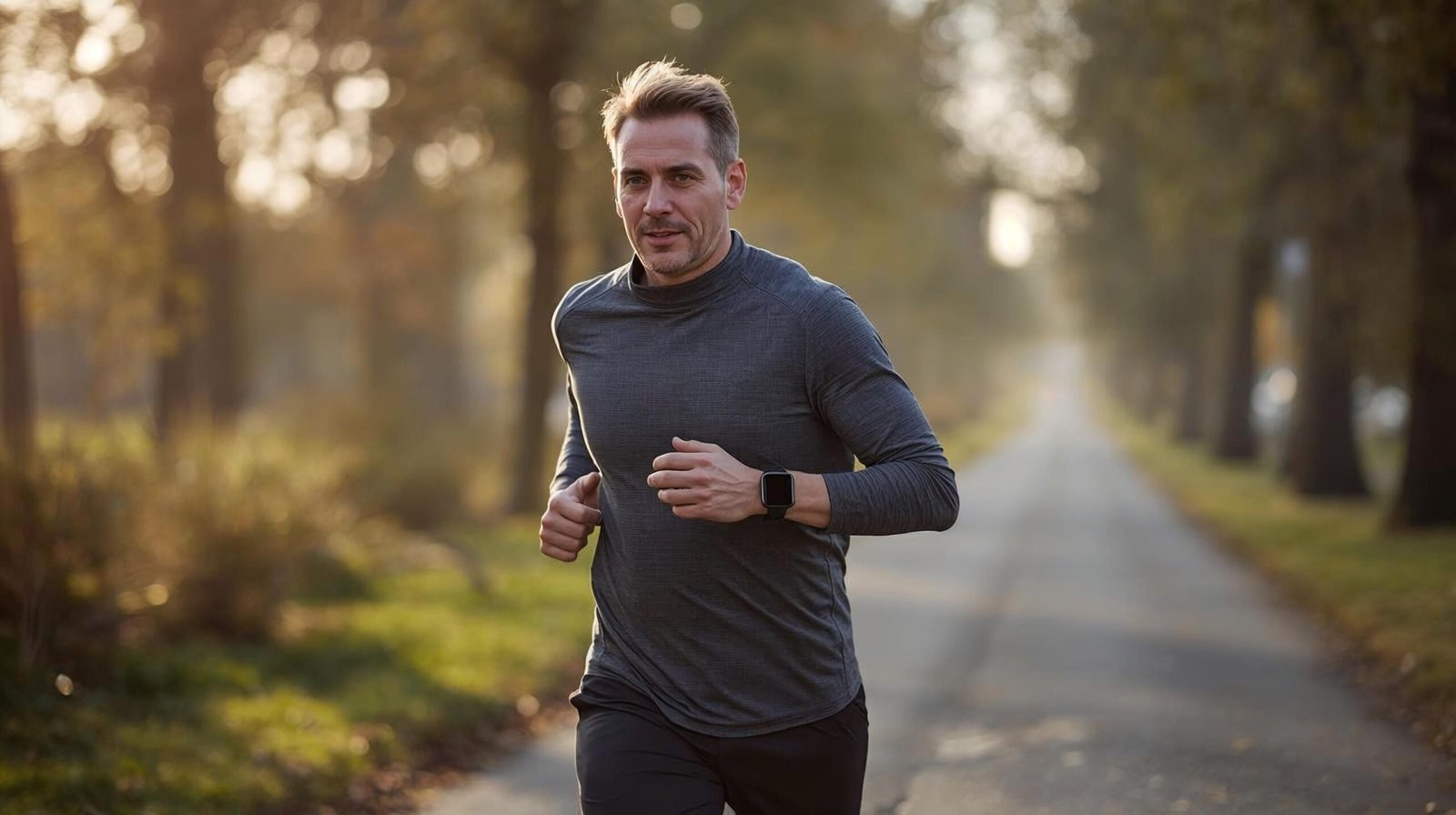
Initially, Younger Next Year was written primarily for men—particularly those entering their 50s and 60s. The blunt tone and direct language reflect this intent.
However, the principles transcend gender. In fact, the book’s success led to follow-up editions tailored for women, proving that the younger next year framework is universally applicable.
Scientific Credibility and Medical Integrity
What distinguishes Younger Next Year from many self-help books is its clinical grounding. Dr Lodge draws on decades of medical practice, epidemiological data, and peer-reviewed studies.
The book avoids pseudoscience and miracle claims. Instead, it presents ageing as a biological process that responds predictably to behaviour—a refreshingly honest approach.
The “Strong Medicine” Philosophy
The authors deliberately describe their advice as strong medicine. This is not a book that offers comfort without commitment.
The younger next year message is demanding:
-
Discipline over convenience
-
Consistency over motivation
-
Long-term health over short-term pleasure
While challenging, this honesty is precisely what makes the book so impactful.
Practical Implementation in Everyday Life
One of the strengths of Younger Next Year is its practicality. Readers are not left wondering how to begin.
The book provides:
-
Clear weekly exercise structures
-
Realistic lifestyle adjustments
-
Motivation grounded in long-term quality of life
The emphasis is always on sustainable habits, not temporary enthusiasm.
Criticisms and Limitations
Despite its strengths, Younger Next Year is not without criticism.
Some readers may find:
-
The tone occasionally confrontational
-
The exercise recommendations demanding for beginners
-
Limited focus on flexibility for individuals with disabilities
However, these limitations do not undermine the core science or value of the younger next year philosophy.
Who Should Read Younger Next Year?
This book is ideal for:
-
Individuals aged 40 and above
-
Professionals experiencing lifestyle-related fatigue
-
Anyone concerned about healthy ageing
-
Readers seeking evidence-based longevity strategies
Ultimately, Younger Next Year is for anyone unwilling to accept passive decline.
Long-Term Impact and Cultural Significance
Since its publication, Younger Next Year has influenced preventive medicine discussions, workplace wellness programmes, and personal health philosophies worldwide.
Its enduring relevance lies in its refusal to normalise unnecessary ageing.
The Biology of Ageing: What Actually Happens Inside the Body
To fully appreciate the philosophy advanced by Crowley and Lodge, it is essential to understand the biological mechanics of ageing. Ageing is not a single process but a convergence of multiple physiological deteriorations occurring simultaneously. Muscle fibres shrink, bone density declines, blood vessels stiffen, and neural connections weaken. These changes are often misattributed to chronological age when, in reality, they are largely the result of prolonged inactivity and metabolic neglect.
Medical science increasingly recognises that human physiology evolved under conditions of regular physical exertion. When movement is removed from daily life, the body interprets this as a signal that strength, endurance, and repair mechanisms are no longer required. Consequently, it begins a gradual process of biological withdrawal.
The book’s most valuable contribution lies in reframing ageing as an adaptive response rather than an inevitable destiny.

Muscle Mass: The Hidden Currency of Longevity
One of the most overlooked aspects of healthy ageing is the preservation of skeletal muscle. Muscle tissue is not merely structural; it is metabolically active and hormonally significant. Loss of muscle mass—known medically as sarcopenia—begins as early as the fourth decade of life and accelerates rapidly thereafter.
Loss of muscle leads to:
-
Reduced insulin sensitivity
-
Lower basal metabolic rate
-
Increased risk of falls and fractures
-
Decline in independence
Strength training, as emphasised by Dr Lodge, directly counteracts these effects by stimulating growth hormone release, improving neuromuscular coordination, and maintaining joint integrity. The message is unambiguous: maintaining muscle is synonymous with maintaining autonomy.
Cardiovascular Fitness and Cellular Renewal
Another critical pillar of long-term vitality is cardiovascular health. The heart, much like skeletal muscle, adapts to demand. Regular aerobic activity increases stroke volume, enhances oxygen delivery, and improves mitochondrial efficiency.
Mitochondria—the energy-producing structures within cells—decline sharply with sedentary living. This decline contributes to fatigue, cognitive dullness, and metabolic dysfunction. Exercise reverses this process by stimulating mitochondrial biogenesis, effectively renewing the body at a cellular level.
This biological renewal explains why physically active individuals often exhibit greater mental clarity, emotional stability, and resilience well into later decades.
The Endocrine System and Hormonal Balance
Hormonal decline is frequently blamed on ageing, but lifestyle plays a decisive role. Physical activity influences testosterone, oestrogen, cortisol, insulin, and growth hormone levels—all of which shape body composition, mood, and immune function.
Chronic stress and inactivity elevate cortisol, accelerating tissue breakdown and fat accumulation. By contrast, consistent movement regulates stress hormones and supports endocrine balance. The book underscores that lifestyle choices either amplify hormonal decay or stabilise it.
In this context, exercise functions not as recreation but as endocrine therapy.
Sleep: The Silent Partner of Regeneration
While exercise and nutrition dominate the narrative, sleep emerges as an equally critical factor in biological preservation. During deep sleep, the body repairs tissues, consolidates memory, and regulates immune function.
Sleep deprivation is associated with:
-
Accelerated cognitive decline
-
Increased inflammation
-
Impaired glucose metabolism
-
Hormonal dysregulation
The authors advocate disciplined sleep routines, recognising that restorative sleep magnifies the benefits of exercise and nutrition. Without sufficient sleep, even the most rigorous fitness regimen yields diminished returns.
Emotional Engagement and Cognitive Preservation
Mental decline is often feared more than physical weakness. The book challenges the notion that cognitive deterioration is unavoidable. Instead, it highlights the role of emotional engagement, learning, and social interaction in maintaining neural plasticity.
The brain thrives on challenge. New skills, meaningful work, problem-solving, and sustained relationships stimulate neural networks and delay degenerative processes. Retirement, when coupled with disengagement, is presented as neurologically hazardous rather than restful.
Purpose, therefore, is not philosophical—it is biological.
Community, Relationships, and Immune Health
Human beings are inherently social organisms. Isolation has been shown to impair immune function, elevate stress hormones, and increase mortality risk. Strong social ties, by contrast, enhance emotional regulation and physical resilience.
The book implicitly supports a growing body of research linking community involvement to longevity. Shared activities, accountability partners, and collective goals reinforce healthy behaviours and sustain motivation over time.
Health, in this sense, is not achieved in isolation but cultivated within relationships.
Discipline Versus Motivation: A Critical Distinction
One of the most practical lessons conveyed is the distinction between motivation and discipline. Motivation fluctuates. Discipline endures.
The authors argue that waiting to “feel motivated” is biologically naïve. Sustainable health is built on routine, not inspiration. Systems, schedules, and commitments replace willpower, ensuring consistency even when enthusiasm wanes.
This insight alone differentiates the book from superficial wellness literature.
Adapting the Philosophy to Modern Life
Modern work environments present unique challenges: prolonged sitting, digital overload, irregular schedules, and chronic stress. The principles outlined in the book are adaptable but require intentional restructuring of daily habits.
Practical strategies include:
-
Scheduling exercise as a fixed appointment
-
Incorporating movement into workdays
-
Redesigning leisure activities to include physical engagement
-
Reducing decision fatigue through routine
The emphasis is not on perfection but persistence.
Case Patterns Observed in Clinical Practice
Dr Lodge draws from decades of medical practice, observing consistent patterns among patients who age well. These individuals share common traits: regular physical exertion, social engagement, emotional resilience, and disciplined routines.
Conversely, those who deteriorate rapidly often exhibit prolonged inactivity, social withdrawal, and unmanaged stress. These observations lend clinical credibility to the book’s recommendations and reinforce their practical relevance.
Ethical Responsibility Toward One’s Own Health
A subtle but powerful theme running through the book is personal responsibility. Health is portrayed not merely as a personal benefit but as an ethical obligation—to family, society, and oneself.
Avoidable illness imposes emotional, financial, and social burdens. Preventive health, therefore, becomes an act of stewardship rather than vanity. This moral framing elevates the conversation beyond aesthetics and into civic responsibility.
The Long View: Quality Over Quantity of Years
Ultimately, the philosophy advanced prioritises quality of life over mere longevity. Extended years without strength, clarity, or independence are portrayed as a hollow victory.
The goal is sustained capability—the ability to move freely, think clearly, and engage fully with life for as long as possible. This reframing resonates deeply in an era where medical technology can prolong life without necessarily preserving vitality.
A Framework, Not a Formula
Importantly, the book does not present a rigid prescription but a flexible framework. Individual circumstances, limitations, and preferences are acknowledged. The principles remain constant, while execution varies.
This adaptability ensures relevance across cultures, professions, and age groups.
Resistance to Change: Why Most People Fail to Age Well
Despite overwhelming evidence supporting lifestyle-based prevention, many individuals struggle to adopt and sustain healthy behaviours. The obstacle is rarely ignorance; rather, it is psychological resistance to change. Comfort, familiarity, and immediate gratification often outweigh long-term benefits, even when the cost of inaction is severe.
Behavioural science explains this phenomenon through habit loops. Years of sedentary routines condition both mind and body to expect minimal exertion. Breaking these patterns requires deliberate disruption, not gentle intention. The book implicitly recognises this reality by advocating structure over spontaneity and commitment over convenience.
Another critical barrier is the social normalisation of decline. When reduced mobility, chronic fatigue, and metabolic disorders are treated as inevitable, personal accountability diminishes. Individuals begin to identify with deterioration rather than resist it. This cultural narrative quietly undermines motivation before action can begin.
Fear also plays a role. Physical exertion, particularly later in life, is often associated with injury or discomfort. Yet controlled stress is biologically essential for adaptation. Avoiding challenge in pursuit of safety paradoxically accelerates frailty.
The most successful individuals are those who reframe effort as investment rather than sacrifice. By viewing physical discipline as a means of preserving independence and dignity, resistance gives way to resolve. Over time, effort becomes identity, and consistency replaces struggle.
This insight reinforces one of the book’s unspoken truths: healthy ageing is less about knowledge and more about courage—the courage to act differently while others accept decline as normal.

Final Reflective Insight
What makes this work enduring is not novelty but truth. It aligns modern medical understanding with ancient biological imperatives: move often, eat wisely, rest deeply, engage meaningfully, and live with purpose.
The book does not promise immortality, nor does it deny ageing. Instead, it offers something far more valuable—agency. It restores control over a process many have resigned themselves to endure passively.
In doing so, it transforms ageing from a feared decline into a disciplined, intentional journey.
Frequently Asked Questions (FAQs)
1. Is Younger Next Year medically reliable?
Yes. The book is grounded in clinical experience and well-established research on ageing, exercise physiology, and inflammation.
2. Can beginners follow the younger next year exercise plan?
Yes, with gradual progression. The principles apply at all fitness levels, though medical consultation is advisable.
3. Is this book only for older adults?
No. The earlier one adopts the younger next year lifestyle, the greater the long-term benefits.
4. Does the book promote supplements?
No. It prioritises lifestyle changes over supplementation.
5. Is Younger Next Year suitable for Indian readers?
Absolutely. The principles of exercise, nutrition, and purpose are universally applicable.
Conclusion: Age Is a Choice More Than a Fate
Younger Next Year is not merely a book—it is a wake-up call. Chris Crowley and Dr Henry Lodge dismantle the myth that ageing equals decline and replace it with a disciplined, hopeful alternative.
The central lesson is uncompromising yet empowering:
If you move, eat, and live with intention, you can remain biologically younger next year—and every year after that.
For readers committed to reclaiming vitality, this book offers not motivation, but truth backed by science.
At shubhanshuinsights.com, we strongly recommend Younger Next Year as an essential read for anyone serious about longevity, strength, and purposeful living. Age may advance, but decay is optional—if you choose wisely.
Ultimately, sustained vitality is neither accidental nor reserved for the fortunate. It is cultivated through deliberate choices, disciplined habits, and unwavering consistency. Those who act early and persist thoughtfully secure not merely longer lives, but stronger, clearer, and more dignified years.