Nutrient Timing Book: A Definitive and Scientific Review of John Ivy & Robert Portman’s Performance Masterpiece
In the fiercely competitive world of sports nutrition, very few works have managed to redefine how athletes, coaches, and researchers think about food consumption. The nutrient timing book by Dr. John Ivy and Robert Portman stands among those rare contributions that permanently altered the nutritional landscape. Rather than focusing merely on what to eat, this seminal work boldly argues that when you eat is equally—if not more—important.
This article presents a comprehensive, critical, and scholarly review of the nutrient timing book, explaining its core principles, scientific foundations, practical applications, and the controversies it continues to ignite years after publication.
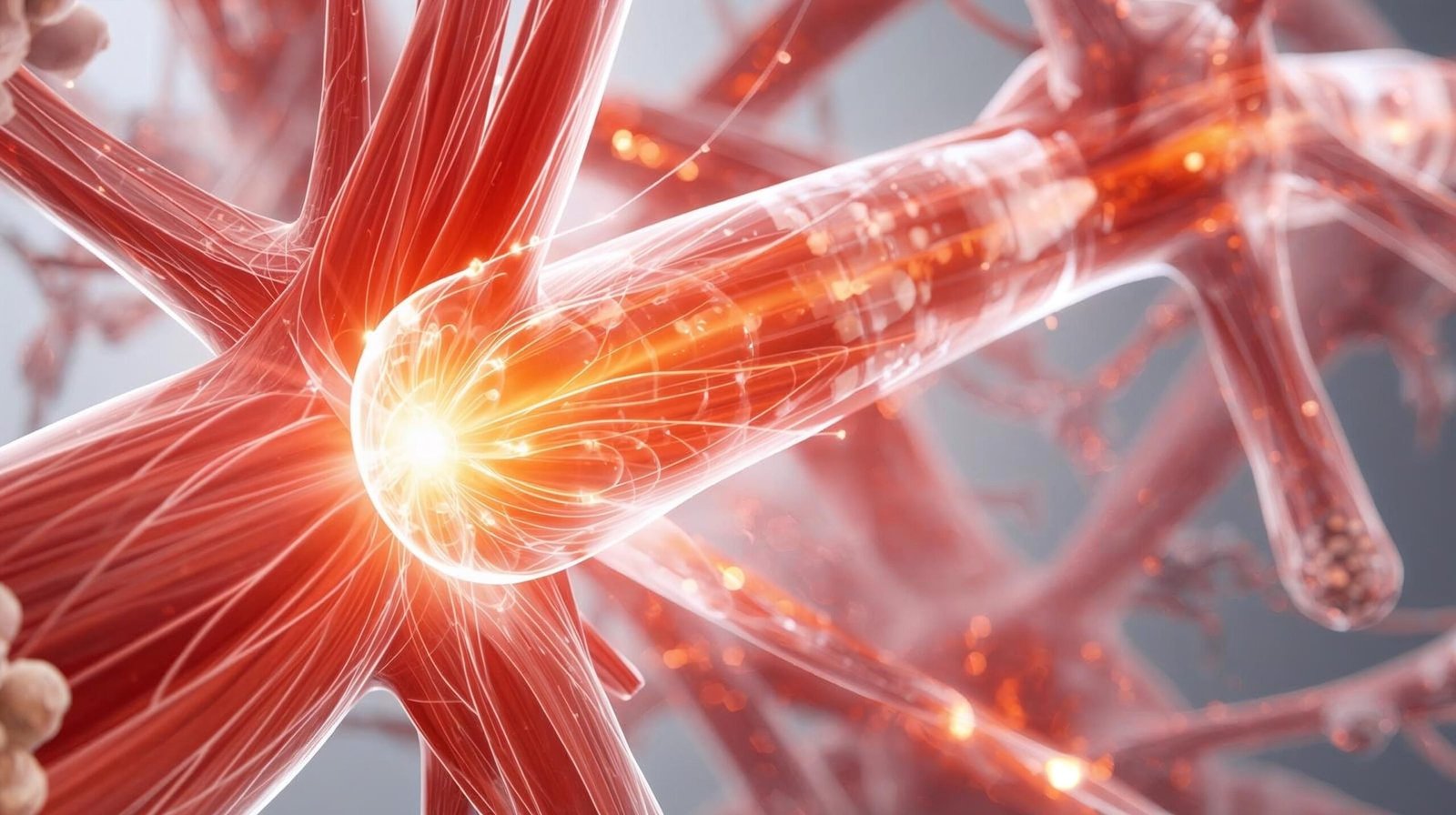
Understanding the Core Philosophy of the Nutrient Timing Book
At the heart of the nutrient timing book lies a deceptively simple yet profoundly disruptive idea: the human body responds differently to nutrients depending on timing, hormonal environment, and physiological state. Ivy and Portman argue that post-exercise metabolic windows are not merely theoretical constructs but biologically decisive periods.
According to the nutrient timing book, nutrients consumed immediately before, during, and after exercise exert disproportionate effects on muscle protein synthesis, glycogen replenishment, and hormonal signaling.
The Scientific Authority Behind the Nutrient Timing Book
Dr. John Ivy, a respected exercise physiologist, brings decades of laboratory research to the table, while Robert Portman contributes practical performance insights rooted in applied sports nutrition. Together, their collaboration lends the nutrient timing book a rare dual credibility—scientific rigor combined with real-world relevance.
The book is meticulously supported by peer-reviewed studies involving insulin response, GLUT-4 transporters, amino acid uptake, and cortisol suppression, making the nutrient timing book far more than a commercial nutrition manual.
The Anabolic Window: Myth or Measured Reality?
One of the most debated concepts popularised by the nutrient timing book is the so-called anabolic window. Ivy and Portman argue that resistance training creates a transient period of heightened insulin sensitivity, during which carbohydrate and protein ingestion leads to superior muscle repair and growth.
The nutrient timing book does not sensationalise this window but quantifies it, explaining its duration, biochemical mechanisms, and practical implications with admirable restraint.
Carbohydrates Reconsidered Through Nutrient Timing
Contrary to low-carbohydrate dogma, the nutrient timing book rehabilitates carbohydrates—placing them not as dietary villains but as strategic tools. When consumed post-exercise, carbohydrates accelerate glycogen resynthesis and blunt catabolic hormones.
This nuanced position is one of the reasons the nutrient timing book remains intellectually relevant, even amid evolving dietary trends.
Protein Timing and Muscle Protein Synthesis
The nutrient timing book dedicates significant attention to protein ingestion timing, particularly the synergistic effect of carbohydrates and fast-digesting proteins. Ivy and Portman explain how insulin amplifies amino acid transport, accelerating muscle protein synthesis beyond what protein alone can achieve.
This chapter alone justifies the enduring reputation of the nutrient timing book as a foundational sports nutrition text.
Hormonal Manipulation Through Strategic Eating
One of the book’s most compelling contributions is its explanation of hormonal manipulation through nutrition. The nutrient timing book illustrates how post-exercise feeding can suppress cortisol, elevate insulin, and create an environment conducive to recovery rather than breakdown.
These insights continue to influence elite-level training protocols worldwide.
Endurance Athletes and the Nutrient Timing Book
While often associated with bodybuilding, the nutrient timing book offers equally profound value for endurance athletes. Glycogen depletion, immune suppression, and delayed recovery are addressed through precise nutrient timing strategies.
Cyclists, marathoners, and triathletes will find the nutrient timing book remarkably practical and scientifically grounded.
Practical Application: How the Nutrient Timing Book Translates to Daily Life
What distinguishes the nutrient timing book from academic texts is its actionable clarity. The authors provide concrete guidelines for pre-workout, intra-workout, and post-workout nutrition, making theory operational.
The recommendations are adaptable, scalable, and realistic, a testament to the authors’ understanding of everyday athletic constraints.
Criticism and Controversy Surrounding the Nutrient Timing Book
No influential work escapes criticism. Some modern researchers argue that total daily protein intake may overshadow timing precision. However, the nutrient timing book never dismisses overall diet quality—it contextualises timing as a performance multiplier rather than a replacement.
This balanced stance is often overlooked by critics who engage with simplified interpretations rather than the book itself.
Nutrient Timing in the Age of Intermittent Fasting
Interestingly, the nutrient timing book remains relevant even as intermittent fasting gains popularity. While fasting proponents focus on metabolic flexibility, Ivy and Portman’s work reminds readers that performance outcomes demand different priorities.
For athletes, the nutrient timing book offers a compelling counterpoint to rigid fasting paradigms.
Long-Term Impact of the Nutrient Timing Book
Few nutrition texts enjoy such longevity. The nutrient timing book continues to be cited, debated, and applied decades after its release. Its influence extends into supplement formulation, coaching certification curricula, and professional sports organisations.
This enduring relevance underscores the book’s foundational importance.
Who Should Read the Nutrient Timing Book?
The nutrient timing book is indispensable for:
-
Strength and conditioning coaches
-
Competitive athletes
-
Sports nutrition students
-
Evidence-based fitness professionals
Even serious recreational trainees will benefit from its insights.
Writing Style and Academic Integrity
Written in clear, orthodox English, the nutrient timing book balances accessibility with scientific depth. Technical concepts are explained without dilution, preserving academic integrity while remaining readable.
The Evolution of Performance Nutrition Before Ivy and Portman
Before the publication of this work, performance nutrition was largely dominated by macronutrient quantity rather than temporal precision. Athletes were instructed to consume high-protein diets, carbohydrate-heavy meals, or calorie-surplus plans with little regard for physiological timing. Nutrition functioned as a static input, not a dynamic intervention.
What Ivy and Portman introduced was not merely a new recommendation, but a paradigm shift. They framed nutrition as an acute biological stimulus capable of influencing recovery speed, muscular adaptation, and endocrine response. This approach elevated eating from habit to strategy, forcing practitioners to reconsider long-held assumptions.
Metabolic Sensitivity and Exercise-Induced Opportunity
A key strength of the book lies in its explanation of exercise-induced metabolic sensitivity. Following physical exertion, skeletal muscle exhibits an increased capacity to absorb glucose and amino acids independent of insulin. This phenomenon, supported by extensive laboratory data, creates a unique opportunity for accelerated repair.
The authors carefully articulate how contraction-mediated glucose uptake enhances nutrient partitioning, reducing fat storage risk while maximising muscle replenishment. This insight alone reshaped how post-training nutrition was approached across professional sport.
Glycogen Restoration and Training Frequency
Another often overlooked contribution is the relationship between nutrient intake and training frequency. Athletes who train multiple times per day, or across consecutive days, face compounded glycogen depletion. Without rapid restoration, performance degradation becomes inevitable.
The book highlights how strategic carbohydrate ingestion can dramatically reduce recovery time, allowing higher training volumes without compromising output. This principle has since become standard practice in endurance and team sports, underscoring the work’s applied value.
Immune Function and Recovery Nutrition
Beyond muscles and energy systems, the book addresses immune suppression caused by intense training. Prolonged cortisol elevation, combined with inadequate refuelling, weakens immune resilience, increasing illness risk.
By advocating immediate post-exercise nutrient intake, the authors demonstrate how athletes can mitigate immune suppression, reduce inflammation, and maintain training consistency. This aspect is particularly relevant for endurance athletes exposed to chronic physiological stress.

Nutritional Periodisation: An Unspoken Theme
Although not explicitly labelled, the book introduces an early form of nutritional periodisation. Different phases of training demand different nutritional strategies, and timing plays a decisive role in aligning intake with physiological goals.
This implicit framework has since evolved into structured periodised nutrition models used by elite coaches worldwide. The book’s influence is evident in how modern practitioners adjust intake around training intensity, volume, and competition cycles.
Psychological Compliance and Structured Eating
An underappreciated benefit of time-structured nutrition is psychological compliance. When athletes follow a clear temporal framework, adherence improves. Eating becomes purposeful rather than reactive.
The authors subtly acknowledge this behavioural advantage, recognising that consistent execution often matters more than theoretical perfection. By simplifying decision-making, the approach reduces nutritional errors and enhances long-term discipline.
Distinguishing Performance Nutrition from General Wellness
A recurring strength of the text is its refusal to conflate athletic performance with general wellness trends. While mainstream nutrition often prioritises longevity or weight management, performance nutrition operates under different constraints.
The book unapologetically prioritises output, adaptation, and recovery. This clarity prevents misapplication and reinforces the idea that athletes require context-specific strategies rather than universal rules.
The Role of Liquid Nutrition in Rapid Absorption
The authors provide a compelling case for liquid nutrition during specific windows. Liquids digest faster, empty from the stomach more quickly, and deliver nutrients to muscle tissue with minimal gastrointestinal burden.
This practical recommendation has influenced the formulation of modern recovery beverages and intra-workout solutions. Importantly, the book emphasises purpose-driven use rather than habitual dependence.
Relevance for Aging Athletes
Though often associated with younger competitors, the principles outlined are particularly valuable for aging athletes. With age-related declines in anabolic sensitivity, precise nutrient delivery becomes increasingly important.
The book implicitly supports this demographic by addressing efficiency rather than excess—an approach aligned with maintaining performance while reducing unnecessary caloric load.
Misinterpretations and Oversimplifications
Over time, simplified interpretations diluted some of the book’s nuance. Popular culture reduced its message to rigid post-workout shakes or narrow time windows.
However, a careful reading reveals a far more flexible framework. The authors repeatedly stress context, total intake, and individual variability. Misinterpretation stems not from the content, but from selective reading.
Integration with Modern Training Methodologies
Modern strength systems—such as velocity-based training, concurrent periodisation, and autoregulated programming—align naturally with the book’s nutritional logic. Each emphasises responsiveness rather than rigidity.
This compatibility explains why the book remains relevant despite advancements in sports science. Its principles integrate rather than conflict with contemporary methodologies.
Ethical Marketing Versus Scientific Responsibility
One notable aspect is the authors’ restraint. Despite commercial opportunities, the book avoids sensational claims. Recommendations are supported by data rather than testimonials.
This ethical positioning enhances credibility and distinguishes the work from profit-driven nutrition publications that prioritise novelty over accuracy.

Educational Value for Students and Practitioners
For students of exercise science, the book functions as a bridge between theory and application. Complex metabolic pathways are contextualised within real training environments.
For practitioners, it offers a rationale behind common protocols, enabling informed adjustments rather than blind replication. This educational duality contributes significantly to its longevity.
Global Influence Across Sporting Cultures
Though developed within Western academic contexts, the book’s principles have transcended cultural boundaries. From Olympic training centres to collegiate programs, its influence is globally observable.
This universality reflects its foundation in human physiology rather than cultural dietary norms.
The Cost of Ignoring Timing Altogether
Perhaps the most compelling argument made is not that timing guarantees success, but that neglecting it incurs unnecessary costs. Slower recovery, diminished adaptation, and inconsistent performance accumulate over time.
By framing nutrition as an optimisation tool rather than a miracle solution, the authors maintain intellectual honesty while advocating meaningful improvement.
A Framework That Encourages Critical Thinking
Rather than dictating rigid rules, the book encourages readers to think physiologically. Why does the body respond differently at different times? How does training alter nutrient handling?
This inquiry-driven approach empowers readers to adapt principles rather than memorise instructions—a hallmark of enduring educational value.
Long-Term Adaptation and Training Sustainability
One of the most enduring contributions of this work is its emphasis on sustainability rather than short-term optimisation. Athletic success is rarely determined by isolated sessions; it is the cumulative result of months and years of consistent training. Nutritional strategy, therefore, must support this long-term continuum.
By aligning intake with physiological readiness, athletes experience reduced fatigue, improved session quality, and greater tolerance to high workloads. This alignment minimises the likelihood of overtraining, a condition often misattributed solely to programming errors rather than recovery deficiencies.
Precision Over Excess in Modern Nutrition
A central lesson reinforced throughout the text is the superiority of precision over excess. Rather than consuming more food indiscriminately, the authors advocate delivering the right nutrients at moments when the body is most receptive. This approach reduces unnecessary caloric burden while amplifying adaptive response.
Such restraint is particularly relevant in an era characterised by overconsumption and metabolic dysfunction. Strategic intake encourages efficiency, promoting lean mass retention while limiting unwanted fat accumulation.
Application Beyond Competitive Sport
Although rooted in athletic performance, the principles extend naturally into occupational and lifestyle contexts involving physical demand. Military personnel, manual labourers, and individuals engaged in high-volume recreational training can all benefit from structured nutritional timing.
Even those pursuing general fitness goals may experience improved energy regulation and recovery when meals are aligned with exertion rather than convenience.
A Quiet Rebuttal to Nutritional Extremism
Perhaps the most understated strength of the book is its implicit rejection of nutritional absolutism. It neither demonises macronutrients nor elevates any single dietary ideology. Instead, it recognises that human physiology is adaptable, context-dependent, and responsive to intelligent intervention.
This moderation stands in stark contrast to contemporary trends that favour extremes over evidence. By emphasising balance, adaptability, and biological logic, the work continues to serve as a stabilising reference point within an often polarised discipline.

Final Reflective Commentary for Readers
For readers of shubhanshuinsights.com, this book represents more than a nutritional guide; it is a lesson in disciplined thinking. It teaches restraint in an industry addicted to extremes, and precision in a field prone to generalisation.
Its true legacy lies not in any single recommendation, but in its insistence that evidence, context, and purpose must guide nutritional decisions. In a world saturated with dietary noise, such clarity is both rare and invaluable.
FAQs
1. Is the nutrient timing book suitable for beginners?
Yes. While scientifically grounded, the nutrient timing book explains concepts clearly, making it accessible to motivated beginners.
2. Does the nutrient timing book promote supplements?
The nutrient timing book discusses supplements pragmatically but prioritises whole-food strategies.
3. Is nutrient timing still relevant today?
Absolutely. While nutrition science evolves, the principles outlined in the nutrient timing book remain biologically sound.
4. Can non-athletes benefit from nutrient timing?
Yes. Anyone seeking improved recovery and metabolic efficiency can apply lessons from the nutrient timing book.
5. Does the book contradict modern research?
Rather than contradicting, the nutrient timing book complements contemporary findings when interpreted correctly.
Conclusion: A Timeless Blueprint for Performance Nutrition
The nutrient timing book by John Ivy and Robert Portman is not a fad-driven manual but a scientifically anchored blueprint for performance nutrition. Its greatest strength lies in reframing food as a biological signal rather than mere fuel.
In an era flooded with nutritional misinformation, the nutrient timing book stands as a rational, evidence-based authority—demanding disciplined thinking rather than blind adherence.
For readers of shubhanshuinsights.com, this book represents the kind of intellectual investment that yields long-term dividends in health, performance, and understanding. If you seek clarity amid confusion and science amid sensationalism, the nutrient timing book deserves a permanent place on your shelf.
Ultimately, disciplined nutritional intelligence distinguishes enduring performance from fleeting progress, reminding serious trainees that consistency, scientific reasoning, and contextual awareness remain the true foundations of sustainable physical excellence over time.