The Circadian Code: Unlocking Your Body’s Natural Rhythm for Health and Longevity
In the modern world, most of us live disconnected from the natural rhythms that have governed human life for millennia. Work schedules, late-night screen time, and irregular eating habits disrupt our internal clocks, often leading to fatigue, weight gain, and a host of chronic illnesses. Dr. Satchin Panda, in his groundbreaking book The Circadian Code, offers an in-depth guide on how to reset these rhythms to maximize health, energy, and longevity.
This article explores the key principles of The Circadian Code and provides actionable strategies that can be incorporated into daily life to harness the power of our natural circadian rhythms.
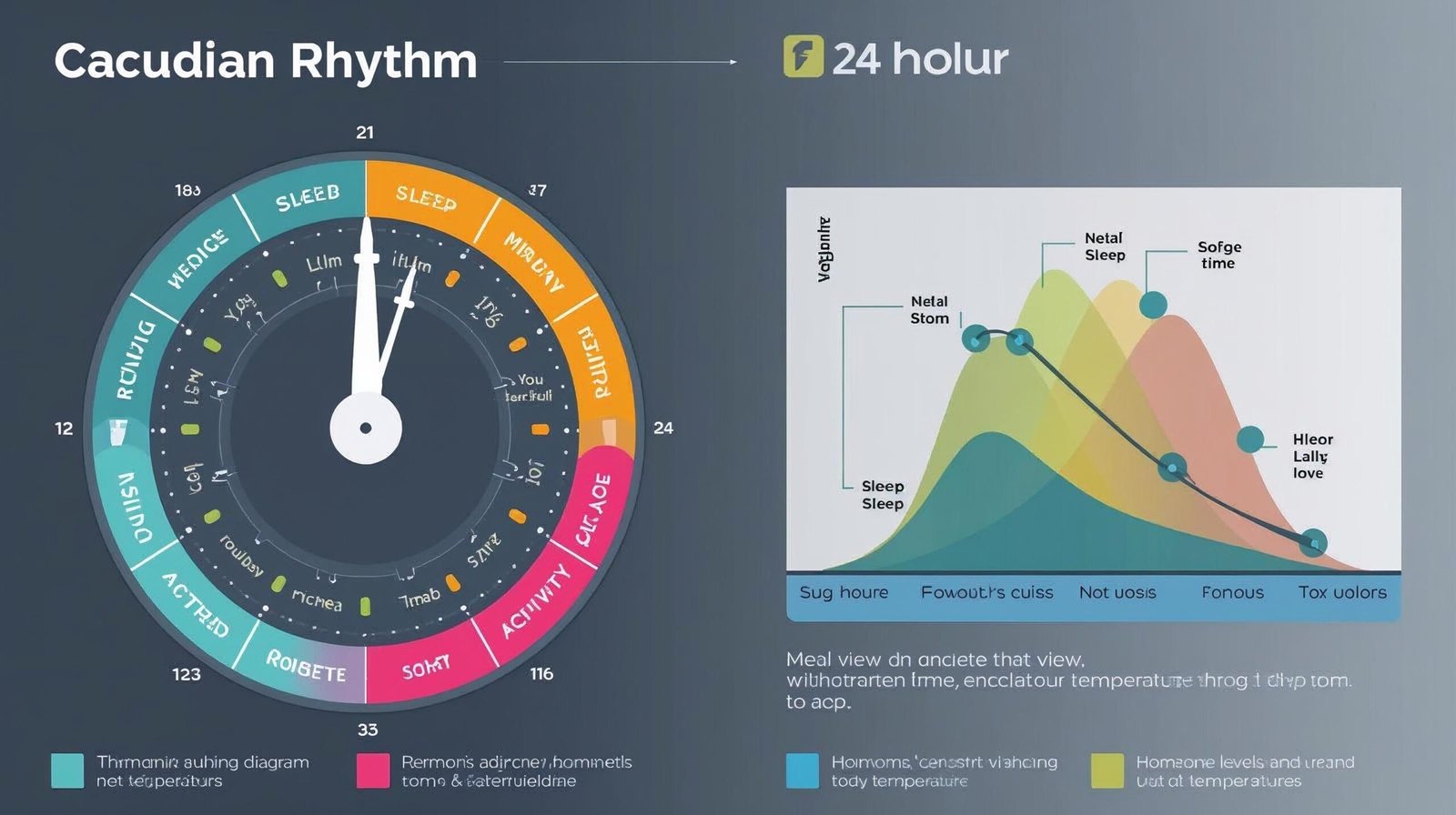
Understanding the Circadian Rhythm
At the heart of The Circadian Code is the concept of the circadian rhythm — a 24-hour internal clock that regulates biological processes such as sleep, hormone production, metabolism, and even cognitive function. According to Dr. Panda, aligning daily activities with this clock is essential for optimal health.
Humans are naturally diurnal creatures, designed to be active during the day and rest at night. However, artificial lighting, irregular meal times, and nocturnal screen exposure disrupt these rhythms, leading to circadian misalignment. This misalignment has been linked to obesity, diabetes, cardiovascular diseases, and neurodegenerative disorders.
Key Principles of The Circadian Code
1. Time-Restricted Eating (TRE)
One of the most important strategies highlighted in The Circadian Code is Time-Restricted Eating (TRE). TRE involves consuming all daily calories within a specific window of 8–12 hours and fasting for the remaining hours. Dr. Panda emphasizes that it is not just what we eat but when we eat that significantly affects metabolism, weight management, and overall health.
Research shows that TRE can improve insulin sensitivity, reduce inflammation, and even promote longevity. For example, eating between 8 a.m. and 6 p.m., while fasting from 6 p.m. to 8 a.m., aligns food intake with the body’s natural metabolic cycles.
2. Consistent Sleep and Wake Times
The Circadian Code stresses the importance of maintaining a consistent sleep schedule. Going to bed and waking up at the same time daily strengthens circadian rhythms, improves sleep quality, and boosts daytime alertness. Dr. Panda suggests that even a difference of one or two hours in bedtime on weekends can disrupt hormonal balance and metabolic health.
Good sleep hygiene includes dimming lights in the evening, avoiding caffeine late in the day, and limiting screen exposure before bed. These practices help the body produce melatonin naturally, supporting restorative sleep.
3. Morning Light Exposure
Exposure to natural light in the morning is another cornerstone of The Circadian Code. Sunlight triggers the suprachiasmatic nucleus (SCN) in the brain, which regulates the circadian rhythm. Morning light exposure improves mood, enhances cognitive performance, and stabilizes sleep patterns.
Even 15–30 minutes of sunlight shortly after waking can signal the body to adjust its internal clock, optimize hormone release, and synchronize energy levels throughout the day.
4. Avoiding Late-Night Eating
Late-night eating can be detrimental to metabolic health, as the body’s digestive and metabolic processes slow down after sundown. Dr. Panda emphasizes avoiding heavy meals at night to prevent circadian disruption, fat accumulation, and impaired insulin sensitivity.
The Circadian Code shows that when calories are consumed earlier in the day, the body metabolizes them more efficiently, supporting weight management and overall health.

5. Exercise Timing
Physical activity is not only beneficial for fitness but also for circadian regulation. According to The Circadian Code, exercising at the right time of day can improve sleep quality, energy levels, and even hormonal balance. Morning or early afternoon workouts tend to align better with circadian rhythms, whereas intense late-night exercise may interfere with sleep onset.
6. Managing Artificial Light
Exposure to artificial light, especially blue light from screens, can confuse the circadian clock. The Circadian Code highlights practical measures to minimize late-night light exposure, such as using blue light filters, dimming home lighting, or wearing amber glasses after sunset.
This simple intervention can significantly enhance melatonin production, improve sleep quality, and support overall circadian alignment.
7. Strategic Fasting for Cellular Repair
Beyond time-restricted eating, Dr. Panda discusses the benefits of intermittent fasting for cellular repair. Fasting initiates autophagy — a process where cells remove damaged components and recycle nutrients. This cellular “clean-up” promotes longevity, reduces disease risk, and enhances overall health.
By combining TRE with intermittent fasting, individuals can optimize metabolism, energy levels, and circadian alignment, as outlined in The Circadian Code.
Benefits of Following The Circadian Code
Adhering to the principles of The Circadian Code offers numerous physical and mental health benefits:
-
Improved sleep quality: Consistent sleep and wake times enhance restorative sleep cycles.
-
Weight management: Time-restricted eating and avoiding late-night meals improve metabolism.
-
Enhanced energy levels: Alignment with natural circadian rhythms boosts alertness and productivity.
-
Reduced chronic disease risk: Proper circadian alignment lowers the risk of diabetes, cardiovascular diseases, and neurodegenerative conditions.
-
Mental clarity and mood regulation: Morning light exposure and balanced sleep improve cognitive function and emotional stability.
Dr. Panda’s research underscores that small, consistent changes in lifestyle can have profound long-term benefits.
Implementing The Circadian Code in Daily Life
Applying the lessons from The Circadian Code does not require drastic changes. Start with incremental adjustments:
-
Set a fixed sleep and wake schedule.
-
Consume all meals within a 10–12 hour window.
-
Avoid heavy meals late at night.
-
Get morning sunlight exposure for 20–30 minutes.
-
Reduce artificial light exposure in the evening.
-
Time exercise to align with natural energy peaks.
-
Include intermittent fasting days weekly for cellular rejuvenation.
By adopting these strategies, individuals can experience improved energy, health, and longevity while respecting their natural body clock.

Deep Dive into Circadian Science
While the basics of circadian rhythms are now familiar, Dr. Satchin Panda’s The Circadian Code offers a far more profound exploration of the underlying biology. At the molecular level, nearly every cell in the human body has its own circadian clock. These cellular clocks communicate with each other through hormones, neural signals, and metabolic cues, orchestrating a symphony of biological processes. When these clocks are synchronized, the body operates efficiently — digestion, energy metabolism, immune response, and even cognitive performance occur at their peak. Conversely, disruption leads to chaos, with fatigue, inflammation, and chronic disease as inevitable consequences.
A particularly striking revelation in The Circadian Code is the role of the gut microbiome in circadian alignment. Studies show that the bacteria residing in our intestines have their own daily cycles, influencing digestion, metabolism, and even mood. When meal timing or sleep patterns are inconsistent, these microbial rhythms are disturbed, leading to impaired digestion, weight gain, and inflammation. By maintaining consistent eating windows, one not only benefits their own circadian rhythm but also supports the health of the gut microbiome, creating a positive feedback loop for overall wellness.
Practical Implementation: From Theory to Habit
Understanding the circadian rhythm conceptually is one thing, but integrating it into a busy modern lifestyle requires practical strategies. Dr. Panda provides a blueprint in The Circadian Code, emphasizing gradual habit changes rather than drastic overnight transformations.
Morning Routine Optimization: Start by exposing yourself to natural sunlight soon after waking. If sunlight is unavailable, bright artificial light can serve as a temporary substitute. During these first few hours, focus on cognitive work, exercise, or other high-energy tasks, aligning activity with your peak alertness window.
Meal Planning: Instead of sporadic snacking or late-night dinners, design your day around a consistent eating schedule. Begin with a nourishing breakfast that includes protein, healthy fats, and fiber to stabilize blood sugar levels. The last meal should ideally occur two to three hours before bedtime, giving the body time to digest and prepare for restorative sleep.
Evening Routine Optimization: As the day winds down, reduce exposure to blue light by using dim lights or amber lenses. Engage in calming activities like reading, journaling, or meditation. By intentionally creating a transition period before sleep, you cue the body to produce melatonin naturally, facilitating deeper, more restorative sleep cycles.
Time-Restricted Eating: Beyond Weight Management
While many readers may initially associate Time-Restricted Eating (TRE) with weight loss, The Circadian Code shows that its benefits extend far beyond aesthetics. TRE influences cellular repair mechanisms, reduces oxidative stress, and improves metabolic flexibility — the body’s ability to switch efficiently between carbohydrate and fat utilization for energy.
For individuals managing chronic conditions like diabetes or hypertension, aligning food intake with circadian rhythms can significantly enhance outcomes. Dr. Panda emphasizes that the timing of calorie intake may be as important, if not more so, than the type of calories consumed. Consuming the majority of calories earlier in the day aligns with the body’s metabolic peak, reducing the risk of insulin resistance and inflammation, two major contributors to chronic disease.
Moreover, TRE encourages mindful eating. When constrained to a specific window, individuals naturally become more conscious of meal quality and portion sizes, cultivating healthier long-term habits.
The Role of Physical Activity in Circadian Health
Exercise is universally recognized as a pillar of health, yet its timing is often overlooked. The Circadian Code underscores the profound impact that synchronizing physical activity with circadian rhythms can have on performance, energy levels, and recovery.
Morning or early afternoon exercise aligns with natural cortisol peaks, enhancing alertness, strength, and endurance. Evening workouts, while still beneficial, can delay melatonin production and disturb sleep if conducted too late. Dr. Panda also highlights the benefits of short movement breaks during work hours, especially for those in sedentary professions. These micro-moments of activity, aligned with circadian energy fluctuations, improve metabolic function, mood, and concentration.
Interestingly, circadian-aligned exercise also positively affects muscle repair and growth. The body’s hormone secretion, including growth hormone and testosterone, follows daily cycles. By exercising in harmony with these peaks, individuals maximize the efficacy of their workouts and recovery periods.
Stress, Cortisol, and Circadian Disruption
Stress management is another critical component discussed in The Circadian Code. Chronic stress elevates cortisol levels, disrupting circadian rhythms, sleep, and metabolic function. Elevated evening cortisol, often a result of late-night work or excessive screen time, interferes with melatonin production, making it difficult to fall asleep and stay asleep.
Dr. Panda recommends stress-reducing practices that align with natural rhythms: morning mindfulness exercises, daytime physical activity, and evening relaxation routines. Techniques such as deep breathing, meditation, or gentle yoga can reduce cortisol, enhance circadian alignment, and promote restorative sleep. By managing stress in harmony with the body’s internal clock, individuals can mitigate one of the major modern disruptors of health.

Advanced Strategies: Light, Environment, and Technology
Modern lifestyles expose humans to artificial lighting and irregular environmental cues, which often conflict with innate circadian signals. The Circadian Code provides actionable guidance to optimize environmental exposure:
-
Morning light exposure: Even 20 minutes of natural sunlight upon waking triggers critical hormonal responses, boosting alertness and metabolism.
-
Minimizing blue light at night: Using screen filters, dimming lights, or wearing amber glasses prevents melatonin suppression.
-
Creating a sleep-conducive environment: Cool, dark, and quiet bedrooms enhance circadian alignment and deep sleep quality.
Technology, when used strategically, can support circadian health. For instance, apps and smart lighting systems can simulate natural light patterns, guiding energy and sleep cycles. Conversely, indiscriminate late-night use of screens or bright lighting can sabotage years of healthy circadian practices.
Mental and Cognitive Benefits of Circadian Alignment
The effects of circadian alignment extend beyond physical health. Dr. Panda’s The Circadian Code emphasizes cognitive performance and emotional regulation as key outcomes. When biological rhythms are in sync, individuals experience:
-
Improved memory consolidation during sleep
-
Enhanced attention and focus during peak energy periods
-
Reduced emotional volatility and improved mood stability
Sleep is particularly critical for brain health. Circadian disruption is linked to impaired synaptic function, reduced neuroplasticity, and even increased risk of neurodegenerative diseases. By following The Circadian Code, individuals can protect cognitive function, optimize learning, and maintain emotional balance.
Longevity and Chronic Disease Prevention
Perhaps the most compelling aspect of The Circadian Code is its implications for longevity. By respecting natural rhythms, the body’s cellular repair mechanisms function optimally, reducing oxidative stress and DNA damage — key contributors to aging and chronic disease.
TRE, consistent sleep, and stress management collectively promote metabolic health, immune resilience, and hormonal balance. Studies cited by Dr. Panda demonstrate that circadian-aligned practices reduce the incidence of cardiovascular disease, obesity, type 2 diabetes, and even some forms of cancer. Implementing these principles consistently can therefore extend not only lifespan but also healthspan — the period of life spent in optimal health.
Personalization: Adapting the Circadian Code to Individual Needs
A key insight from The Circadian Code is that circadian strategies are not one-size-fits-all. Genetic factors, work schedules, and lifestyle constraints require customization. For instance, night-shift workers face unique challenges in circadian alignment. Dr. Panda offers practical adaptations, such as strategic light exposure, timed meals, and controlled sleep patterns, to mitigate the adverse effects of shift work.
Similarly, individual chronotypes — whether someone is naturally a “morning lark” or a “night owl” — influence optimal timing for meals, exercise, and sleep. By understanding personal tendencies, individuals can apply the principles of The Circadian Code more effectively, maximizing benefits without forcing unnatural schedules.
Common Misconceptions
Despite the clear guidance in The Circadian Code, certain myths persist:
-
Myth 1: “I can catch up on sleep during weekends.”
Dr. Panda emphasizes that inconsistent sleep patterns disrupt circadian rhythms more than minor nightly deficits. Maintaining a consistent schedule is far more effective. -
Myth 2: “Meal content matters more than timing.”
While nutrition is crucial, the timing of intake significantly influences metabolic health. TRE aligns food consumption with circadian peaks, enhancing nutrient utilization. -
Myth 3: “Exercise anytime is equally beneficial.”
Exercise is valuable, but its effectiveness is heightened when aligned with natural energy cycles. Late-night workouts may impair sleep quality.
By dispelling these misconceptions, The Circadian Code empowers readers to adopt scientifically validated practices rather than relying on assumptions.

Conclusion
The Circadian Code by Dr. Satchin Panda is more than just a guide to better sleep; it is a blueprint for aligning life with the body’s natural rhythms. By following the seven key principles — time-restricted eating, consistent sleep, morning light exposure, avoiding late-night meals, exercising at the right time, managing artificial light, and strategic fasting — individuals can dramatically improve their health, energy, and longevity.
In a world of constant disruption, embracing The Circadian Code empowers us to reclaim our natural biological rhythms, enhancing quality of life and well-being.
For more insights and actionable strategies from leading health and wellness books, visit shubhanshuinsights.com. Join our community and share your experiences with implementing The Circadian Code. Your health transformation journey begins here.
Powerful Comment Suggestion:
“Implementing the principles of The Circadian Code has completely transformed my energy levels and sleep quality. I never realized how much my irregular lifestyle was affecting my health. Highly recommended!”
Frequently Asked Questions (FAQs)
Q1: What is the main message of The Circadian Code?
The Circadian Code emphasizes aligning daily activities with the body’s natural circadian rhythms to improve health, energy, and longevity.
Q2: Can I practice time-restricted eating even with a busy schedule?
Yes, TRE is flexible. Start with a 12-hour eating window and gradually reduce it to 10 hours as per convenience.
Q3: How important is morning light exposure?
Extremely important. Morning sunlight synchronizes the circadian clock, improves mood, energy, and sleep quality.
Q4: Does avoiding late-night meals really affect weight?
Yes, eating late at night can disrupt metabolism and insulin sensitivity, increasing fat accumulation and disease risk.
Q5: How long before seeing results from The Circadian Code principles?
Many people notice improvements in sleep and energy within 1–2 weeks, while metabolic and weight changes may take a few months.