The Complete Guide to Fasting: A Comprehensive Review of Jimmy Moore & Dr. Jason Fung’s Masterpiece
Introduction: Why Fasting Has Become a Health Revolution
In an era dominated by calorie obsession, perpetual snacking, and metabolic confusion, The Complete Guide to Fasting arrives as a radical yet deeply scientific corrective. Written by Jimmy Moore and Dr. Jason Fung, this book dismantles decades of nutritional dogma and replaces it with a compelling case for fasting as a natural, effective, and sustainable health strategy.
Unlike superficial diet manuals, the complete guide to fasting is unapologetically thorough. It does not merely instruct readers on when to eat less—it explains why abstaining from food at strategic intervals restores hormonal balance, reverses insulin resistance, and reclaims metabolic flexibility.
This book is not a trend-driven manifesto. It is a clinical, historical, and physiological examination of fasting as an ancient practice validated by modern science.
Who Are the Authors and Why Their Authority Matters
Jimmy Moore is a veteran health communicator who has chronicled his own nutritional transformation for over a decade. His experiential insight ensures that the complete guide to fasting remains grounded in real-world application rather than abstract theory.
Dr. Jason Fung, a Canadian nephrologist specialising in diabetes and obesity, brings formidable medical credibility. His clinical success in reversing Type 2 diabetes through fasting protocols lends immense authority to the arguments presented in the complete guide to fasting.
Together, they bridge the gap between lived experience and medical science—an alliance rarely achieved with such precision.
The Central Thesis of The Complete Guide to Fasting
At its intellectual core, the complete guide to fasting argues that obesity and metabolic disease are hormonal disorders, not caloric arithmetic problems. The book challenges the deeply entrenched “calories in, calories out” model and replaces it with a hormonal framework centred on insulin.
Fasting, according to the authors, is not starvation. It is a deliberate, time-bound abstention from food that allows insulin levels to fall, enabling fat burning, cellular repair, and metabolic healing.
This distinction is critical—and it is one of the most powerful educational contributions of the complete guide to fasting.
Scientific Foundations: Hormones Over Calories
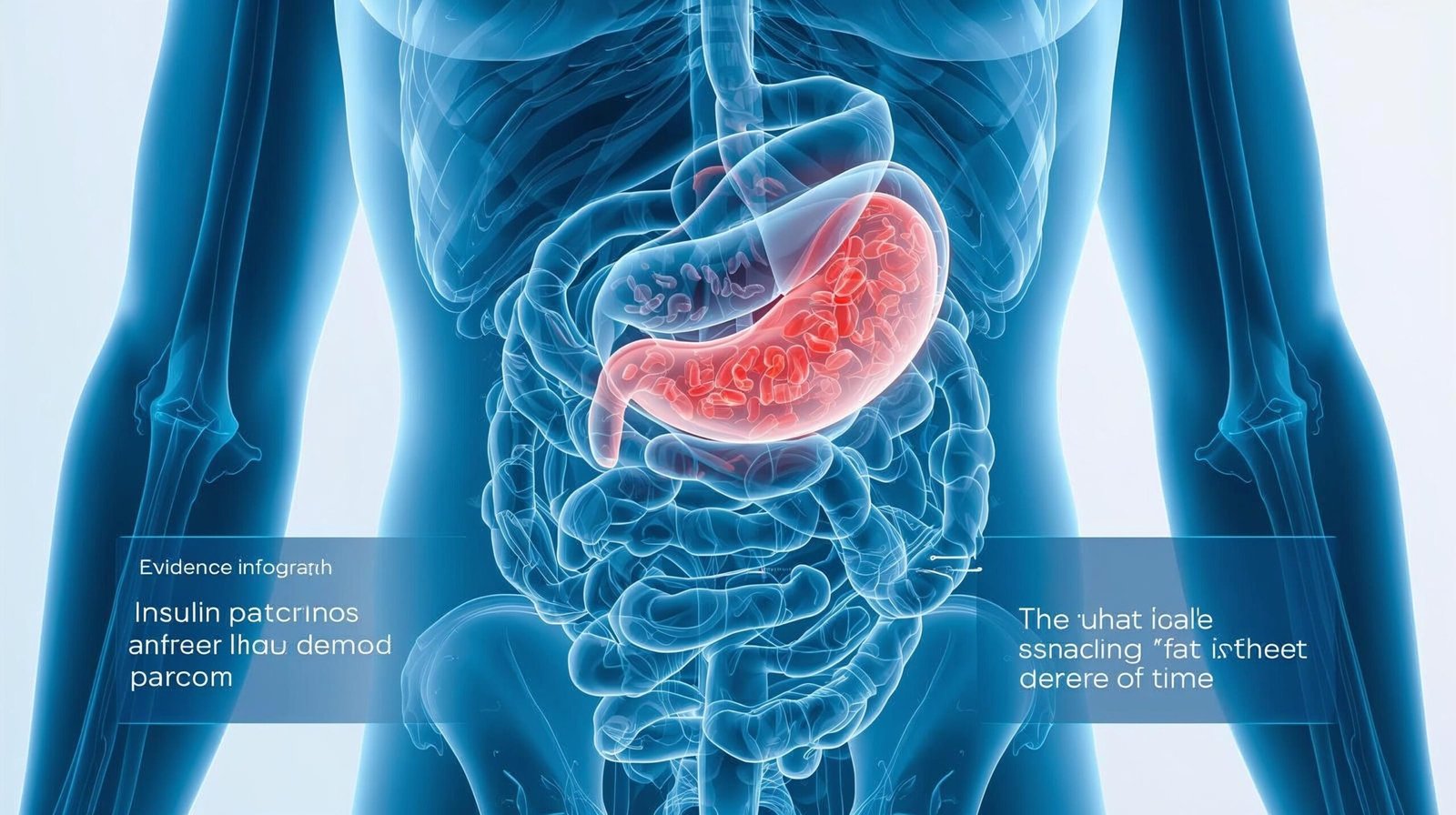
One of the book’s greatest strengths lies in its scientific clarity. The complete guide to fasting explains how insulin acts as the master hormone governing fat storage and energy utilisation. When insulin remains chronically elevated—as it does in frequent eaters—fat loss becomes biologically impossible.
Fasting reverses this condition by lowering insulin levels, thereby unlocking stored fat and restoring metabolic balance. The authors meticulously explain processes such as:
-
Glycogen depletion
-
Lipolysis
-
Ketogenesis
-
Autophagy
Each concept is explained without condescension, making the complete guide to fasting accessible even to readers without a medical background.
Types of Fasting Explained with Precision
Rather than prescribing a one-size-fits-all solution, the complete guide to fasting outlines multiple fasting protocols, allowing readers to choose based on lifestyle, health status, and goals.
Intermittent Fasting
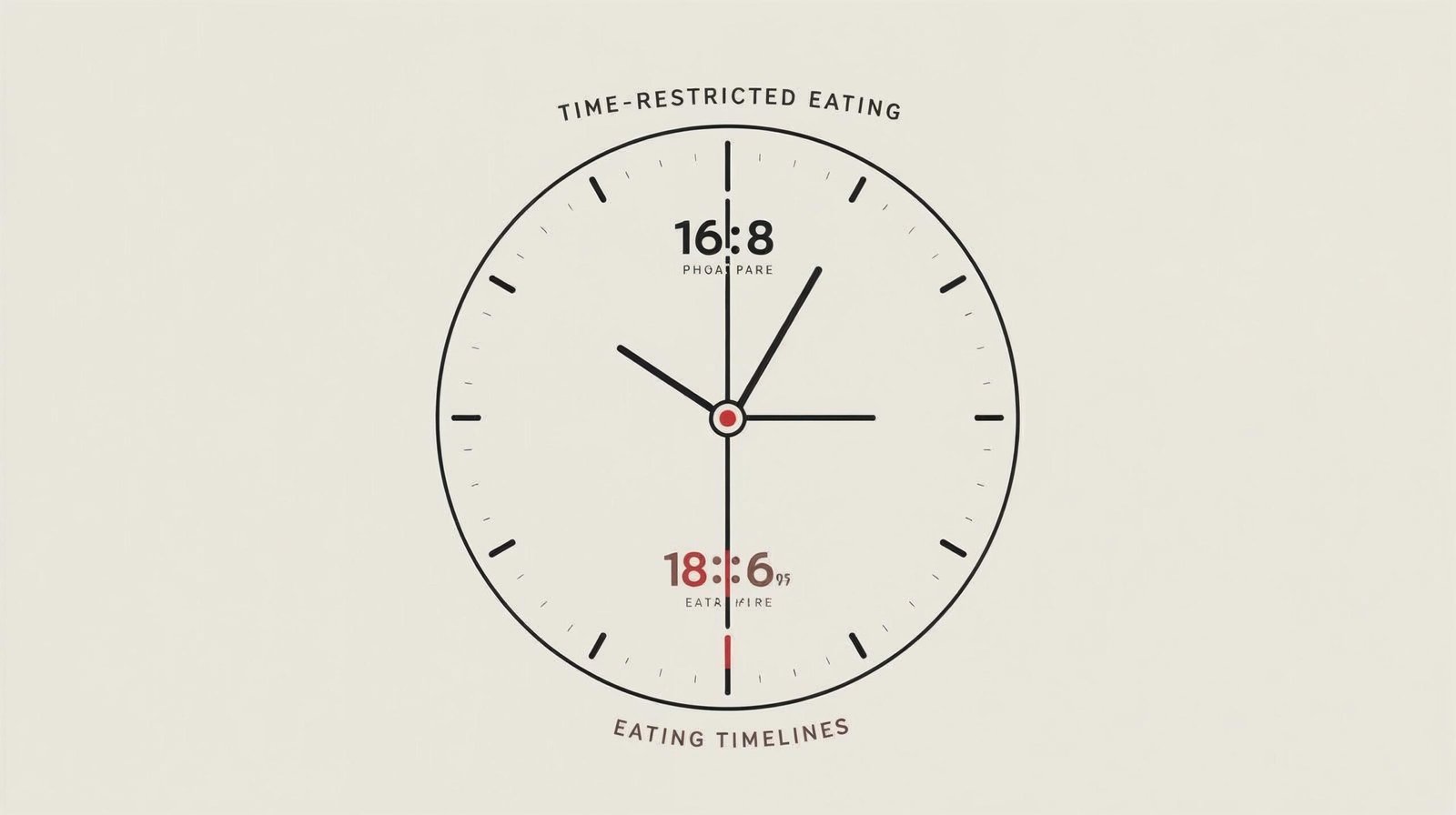
Protocols such as 16:8 and 18:6 are presented as sustainable entry points. The book emphasises consistency over extremity.
Alternate-Day Fasting
Used primarily for aggressive metabolic intervention, this method is explained with caution and clinical context.
Extended Fasting
Multi-day fasts are discussed responsibly, with medical caveats and safety guidelines—demonstrating the authors’ ethical restraint.
By presenting fasting as a spectrum rather than a rigid doctrine, the complete guide to fasting empowers informed choice.
Debunking the Myths Surrounding Fasting
A particularly valuable section of the complete guide to fasting addresses common fears propagated by mainstream nutrition culture:
-
“Fasting slows metabolism”
-
“You will lose muscle”
-
“Skipping meals causes starvation mode”
-
“Fasting is dangerous”
Each claim is systematically dismantled using peer-reviewed research and clinical evidence. This myth-busting approach makes the complete guide to fasting intellectually liberating for readers long trapped by dietary anxiety.
Psychological Freedom and Relationship with Food
Beyond physiology, the complete guide to fasting explores the psychological benefits of fasting. Constant eating fosters food dependency and emotional fragility. Fasting, by contrast, restores autonomy.
Readers learn that hunger is hormonal and cyclical—not an emergency. This insight alone has transformative implications for emotional eating and binge cycles.
In this respect, the complete guide to fasting is as much a psychological re-education as it is a nutritional manual.
Fasting for Weight Loss, Diabetes, and Longevity
Dr. Fung’s clinical experience shines in chapters addressing therapeutic fasting. The complete guide to fasting presents compelling evidence that fasting can:
-
Reverse Type 2 diabetes
-
Reduce visceral fat
-
Improve insulin sensitivity
-
Enhance longevity markers
Unlike pharmaceutical interventions, fasting addresses root causes rather than symptoms. This makes the complete guide to fasting profoundly disruptive to conventional medical thinking.
Practical Guidance and Real-World Application
Theory without execution is useless. Recognising this, the complete guide to fasting offers detailed guidance on:
-
What to drink during fasts
-
How to break a fast safely
-
Managing electrolytes
-
Handling social situations
-
Recognising warning signs
This pragmatic approach transforms fasting from an abstract concept into a realistic lifestyle practice.
Criticisms and Limitations
No book is flawless. The complete guide to fasting occasionally underplays the social and cultural challenges of fasting, particularly in food-centric societies. Additionally, individuals with eating disorders may require professional supervision before attempting fasting.
However, these limitations do not undermine the book’s core integrity. The authors repeatedly emphasise personal responsibility and medical consultation—an ethical stance that strengthens the complete guide to fasting rather than weakens it.
Who Should Read The Complete Guide to Fasting
This book is ideally suited for:
-
Individuals struggling with obesity or insulin resistance
-
Readers dissatisfied with conventional dieting
-
Health professionals seeking metabolic insight
-
Biohackers and longevity enthusiasts
If you seek superficial motivation, the complete guide to fasting is not for you. If you seek truth grounded in science, it is indispensable.
A Historical Perspective on Fasting
Fasting is not a new phenomenon. Human beings have been abstaining from food for spiritual, cultural, and health reasons for millennia. Ancient civilizations, from Egypt to India, recognized periods of food restriction as a means to purify the body and enhance vitality. Philosophers and spiritual leaders frequently advocated fasting not merely for physical health but as a tool for mental clarity and ethical discipline.
In many religious traditions, fasting forms a core practice. From the Ramadan fasts observed by Muslims, to the Lent season in Christianity, and the periodic fasting rituals in Buddhism and Hinduism, this practice has long been associated with self-control, reflection, and personal growth. Beyond spirituality, fasting in early societies often occurred naturally, not as a deliberate choice but as a necessity. Food scarcity forced periods of abstinence, which inadvertently enhanced human adaptability and metabolic resilience.
Interestingly, these historical practices align closely with modern scientific findings. The benefits observed today—enhanced fat metabolism, improved insulin sensitivity, and cellular repair—mirror the physiological adaptations that allowed our ancestors to survive periods of limited food availability.
Physiological Mechanisms Behind Abstaining from Food
Understanding the biological processes that occur during periods without food reveals why structured abstention can be so effective for health. The human body is remarkably adaptable, designed to alternate between periods of feeding and fasting. During these intervals, multiple systems are activated to optimize energy usage and promote cellular maintenance.
When caloric intake is reduced, the body initially utilizes glycogen stores in the liver and muscles for energy. Once these stores are depleted, a metabolic switch occurs, where fat becomes the primary energy source. This process, known as lipolysis, allows stored fat to be converted into energy, a key factor in weight management and metabolic improvement.
Another critical mechanism is the activation of autophagy—a cellular recycling process. Autophagy allows the body to clear damaged cells and proteins, promoting cellular rejuvenation. Research increasingly suggests that this process may be linked to longevity and reduced risk of chronic diseases. Hormones such as insulin and growth hormone also play pivotal roles. Lowered insulin levels during fasting periods enable fat mobilization, while growth hormone supports muscle preservation and tissue repair.
Mental Clarity and Cognitive Benefits
Beyond the physical benefits, periods without food can profoundly impact mental performance. Many individuals report heightened focus, improved concentration, and enhanced cognitive clarity during structured periods of abstinence. This may be attributed to several mechanisms. Firstly, fasting encourages the production of brain-derived neurotrophic factor (BDNF), a protein that supports neuron growth and resilience. Higher BDNF levels are associated with improved learning and memory.
Secondly, intermittent abstention has been linked to enhanced stress resilience. By challenging the body and mind, short-term deprivation teaches adaptive responses, reducing susceptibility to chronic stress. Neurotransmitters like norepinephrine increase during fasting periods, enhancing alertness and attention. These cognitive benefits demonstrate that controlled abstention is not merely a dietary tool but a holistic approach to mental optimization.
Metabolic Flexibility and Hormonal Balance
One of the lesser-known advantages of controlled periods without food is the development of metabolic flexibility. This term refers to the body’s ability to efficiently switch between using carbohydrates and fats as primary energy sources. In modern sedentary lifestyles, metabolic flexibility is often compromised due to constant eating and high carbohydrate consumption. Restoring this flexibility improves energy utilization, reduces fat storage, and enhances overall metabolic health.
Hormonal balance is another crucial factor. By regulating insulin, leptin, and ghrelin, structured abstinence can improve appetite control and reduce chronic inflammation. This hormonal recalibration explains why many individuals experience natural reductions in hunger and cravings, even after extended periods without caloric intake. Over time, these adaptations contribute to more sustainable weight management and enhanced metabolic efficiency.
Practical Strategies for Implementation
Successfully incorporating structured periods of abstinence requires planning, mindfulness, and gradual adaptation. Beginners are advised to start with short intervals, such as 12–16 hours without food, and gradually extend the duration based on comfort and tolerance. Hydration is essential; water, herbal teas, and electrolyte-rich beverages support the body during these periods.
Meal timing and composition are equally important. Consuming nutrient-dense meals that emphasize protein, healthy fats, and complex carbohydrates ensures adequate energy and minimizes blood sugar fluctuations. Additionally, mindfulness techniques, such as meditation and deep breathing, can help manage hunger cues and support mental focus.
Tracking progress and listening to the body are critical components. Journaling experiences, noting energy levels, sleep quality, and mood changes, provides valuable insights and fosters sustainable adherence. Consulting with a healthcare professional is recommended for individuals with medical conditions, as structured abstention may require tailored adjustments to ensure safety and effectiveness.

Common Challenges and How to Overcome Them
Many individuals encounter difficulties when adopting structured periods without food. Common challenges include initial hunger, social pressures, fatigue, and emotional discomfort. Addressing these barriers requires both education and practical strategies. Gradual adaptation is key; beginning with shorter intervals allows the body to acclimate without excessive stress. Social strategies, such as scheduling meals around communal events or communicating goals to friends and family, can reduce external pressures.
Another effective approach is focusing on non-food rewards. Engaging in activities such as exercise, reading, or creative hobbies diverts attention from hunger and strengthens psychological resilience. Mindset shifts are essential: viewing abstention not as deprivation but as a tool for empowerment transforms the experience from a challenge to an opportunity.
Case Studies and Real-World Applications
Research and anecdotal evidence highlight the diverse benefits of structured abstention. Clinical studies demonstrate improvements in weight management, metabolic health, and markers of inflammation. Athletes use timed abstention to optimize body composition, enhance endurance, and improve recovery. Office professionals report sharper mental focus and reduced fatigue when integrating intermittent periods without food into their routines.
Personal stories also illustrate transformative effects. Individuals who struggled with chronic metabolic issues, persistent fatigue, or emotional eating often report remarkable improvements in energy, self-discipline, and overall quality of life. These real-world applications underscore the versatility and adaptability of structured fasting as a tool for holistic health.
Integrating Abstention into Modern Lifestyles
Implementing structured periods without food in contemporary lifestyles requires flexibility and creativity. Busy schedules, social obligations, and workplace cultures can present challenges. However, with strategic planning, it is possible to harmonize these practices with daily responsibilities. Meal prep, flexible scheduling, and supportive communities enhance adherence and effectiveness.
Technology can also play a supportive role. Apps for tracking fasting intervals, monitoring hydration, and recording biometric data provide actionable insights and reinforce accountability. Combining structured abstention with complementary practices, such as balanced nutrition, adequate sleep, and regular physical activity, maximizes the benefits and ensures sustainability.
The Psychological Transformation
Perhaps the most profound outcome of consistent abstention is psychological growth. Regular periods without food foster self-discipline, patience, and resilience. Individuals often report heightened self-awareness, improved emotional regulation, and a renewed appreciation for food. This psychological transformation extends beyond personal health, influencing relationships, productivity, and overall life satisfaction.
By learning to distinguish between true hunger and habitual cravings, individuals regain autonomy over choices that were previously driven by external cues. This sense of control and empowerment is a recurring theme in both historical and contemporary accounts of abstention practices.

The Future of Health and Nutrition
The growing interest in structured periods without food reflects a broader shift in the understanding of health. As conventional dietary paradigms are questioned, evidence-based practices that respect human physiology are gaining traction. Research continues to explore the long-term effects of these practices on chronic disease prevention, cognitive function, and longevity.
Healthcare providers, wellness practitioners, and policymakers are increasingly recognizing the importance of lifestyle interventions that emphasize metabolic health, hormonal balance, and holistic well-being. The integration of these practices into mainstream recommendations has the potential to transform public health outcomes and empower individuals to take proactive control over their health trajectories.
FAQs
Is The Complete Guide to Fasting suitable for beginners?
Yes. The complete guide to fasting begins with foundational principles and gradually advances to complex protocols.
Does fasting cause muscle loss?
According to the complete guide to fasting, properly structured fasting preserves muscle by increasing growth hormone.
Can women follow fasting safely?
Yes, with hormonal sensitivity and personalised adjustments, as explained in the complete guide to fasting.
Is this book anti-calorie counting?
Yes. The complete guide to fasting argues that hormonal regulation matters more than caloric mathematics.
Does fasting require special supplements?
No. The complete guide to fasting discourages commercial dependency and emphasises simplicity.
Conclusion: A Ruthless Yet Liberating Truth
The complete guide to fasting is not comforting. It is confrontational, intellectually demanding, and uncompromisingly honest. It exposes the failures of modern dietary advice and replaces them with a biologically coherent alternative.
For readers willing to abandon nutritional myths and reclaim metabolic sovereignty, this book is nothing short of transformative.
At shubhanshuinsights.com, we evaluate books not by popularity but by intellectual courage and real-world impact. The Complete Guide to Fasting earns its place among the most consequential health books of the modern era.
If you are ready to challenge everything you believe about food, health, and discipline—this book will not merely inform you. It will change you.
Ultimately, adopting structured periods without food is not merely a strategy for physical improvement; it is a lifestyle choice that fosters self-discipline, mental clarity, and long-term vitality. By embracing these practices thoughtfully and consistently, individuals can achieve profound transformations in health, resilience, and overall well-being.