The Sports Gene Summary: Understanding the Science of Athletic Performance
David Epstein’s The Sports Gene provides an illuminating exploration into the complex relationship between genetics, training, and athletic achievement. The sports gene summary reveals how natural talent interacts with rigorous practice and environmental factors to produce world-class athletes. For anyone seeking to comprehend why some individuals dominate in sports while others falter, this work is a cornerstone reference.
Introduction to The Sports Gene
In The Sports Gene, Epstein challenges conventional wisdom that champions are created solely through hours of deliberate practice. While training is undeniably crucial, the sports gene summary emphasizes that genetic predispositions often dictate the ceiling of athletic potential. Epstein examines a variety of sports, from sprinting and swimming to endurance events and powerlifting, showcasing how different physical and physiological traits influence performance.
The book is both scientific and engaging, weaving genetics, anthropology, physiology, and personal stories of elite athletes into a compelling narrative. By integrating these diverse threads, the sports gene summary illustrates the intricate balance between nature and nurture in sports excellence.

Genetics and Athletic Potential
One of the central revelations in the sports gene summary is that genetic factors can significantly shape athletic performance. Epstein highlights numerous examples, including the prevalence of certain gene variants like ACTN3, which is linked to explosive power and sprinting ability. Athletes with favorable variants may have a distinct advantage in speed and strength-based sports.
However, Epstein cautions that genetics alone does not guarantee success. Instead, these inherent traits must be developed through systematic training. The sports gene summary demonstrates that while genetics sets the stage, environment, coaching, and dedication determine whether an athlete reaches their potential.
Muscle Fiber Types and Performance
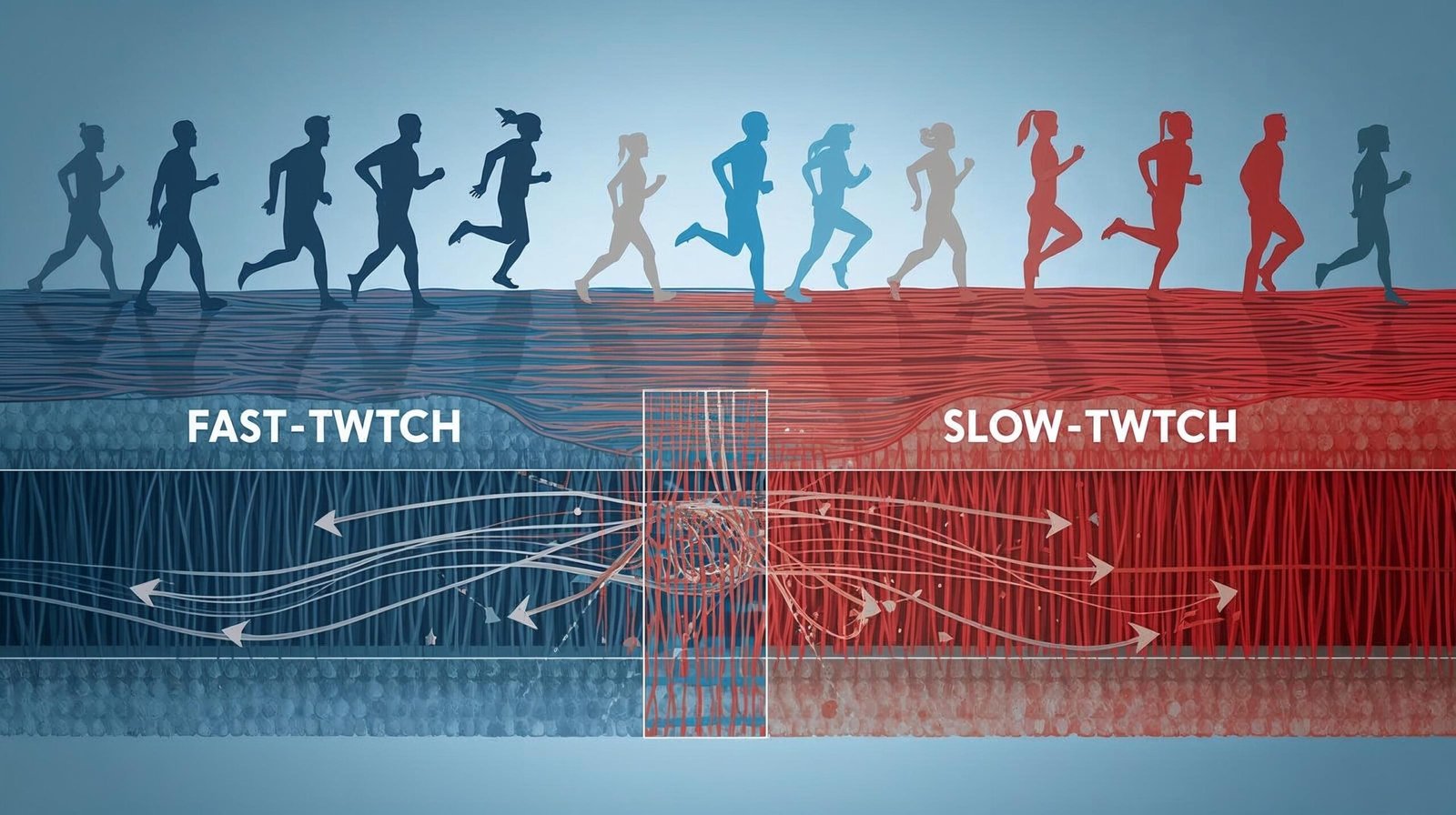
The sports gene summary explains the role of muscle fiber composition in athletic specialization. Fast-twitch fibers are essential for explosive movements such as sprinting or weightlifting, while slow-twitch fibers are advantageous for endurance sports like long-distance running and cycling. Epstein’s research reveals that athletes’ muscle fiber composition often predisposes them to excel in specific disciplines, highlighting the importance of aligning training with natural physiological traits.
Nature Versus Nurture in Sports
A recurring theme in the sports gene summary is the debate between nature and nurture. Epstein illustrates that while talent is often innate, the environment, culture, and early exposure to sports also play a critical role. For instance, East African dominance in long-distance running cannot be explained solely by genetics; altitude, culture, diet, and lifestyle all contribute.
By analyzing twins, family lineages, and elite athletes worldwide, Epstein provides evidence that both heredity and external factors are essential for athletic development. The sports gene summary clarifies that understanding this balance can help coaches, trainers, and athletes tailor programs to optimize performance.
High-Altitude Athletes and Environmental Adaptation
The sports gene summary delves into the remarkable adaptations of athletes who thrive in extreme environments. For example, runners from the Kenyan highlands benefit not only from genetic factors but also from growing up at high altitudes, which enhances oxygen-carrying capacity. Epstein uses these examples to illustrate how environment and genetics interact synergistically to produce extraordinary performance.
Psychological and Cognitive Factors
The sports gene summary also addresses mental and cognitive aspects of athletic success. Beyond physical traits, factors like reaction time, focus, and decision-making ability can differentiate elite performers from their peers. Epstein emphasizes that while some cognitive abilities may have a genetic component, rigorous mental training can further sharpen an athlete’s competitive edge.

Case Studies of Exceptional Athletes
One of the strengths of The Sports Gene is its case studies. Epstein profiles athletes who defy conventional limits, such as Olympians, professional football players, and extreme endurance competitors. These narratives bring the science to life, showing how genetic predispositions interact with training, motivation, and opportunity.
For instance, Epstein examines why certain sprinters can achieve explosive speed, while others struggle despite intense training. The sports gene summary uses these cases to underscore the unpredictable interplay of nature and nurture.
Controversies and Misconceptions
The sports gene summary does not shy away from controversies. Epstein tackles the sensitive subject of talent selection, gender differences, and racial disparities in sports. He stresses that while genetics can explain tendencies, no group is inherently superior in every dimension of performance. Misinterpretation of genetic data can lead to harmful stereotypes, which Epstein carefully critiques.
Implications for Coaches and Athletes
For coaches, trainers, and aspiring athletes, the sports gene summary offers practical insights. Understanding an athlete’s natural predispositions can guide training choices, injury prevention, and career specialization. Epstein advocates for a personalized approach to sports development that respects both genetic strengths and areas requiring improvement.
Lessons for Non-Athletes
Even for non-athletes, the sports gene summary provides valuable lessons. Recognizing that some traits are innate while others are trainable can help individuals set realistic goals in sports, fitness, and life. It encourages a growth mindset while appreciating natural limitations.
Historical Perspectives on Athletic Talent
The understanding of athletic talent has evolved dramatically over the past century. Early theories of sports performance relied heavily on observational studies and anecdotal evidence. Coaches often assumed that sheer determination and repetitive practice were sufficient to create champions. However, as genetics, physiology, and sports science matured, it became increasingly clear that human performance is influenced by a complex interplay of inherited traits and environmental conditions.
David Epstein’s The Sports Gene offers a historical lens to this evolution. By tracing the careers of athletes across different eras, Epstein demonstrates how certain physical characteristics—height, lung capacity, muscle composition—have consistently provided advantages in specific disciplines. For instance, the dominance of tall basketball players like Wilt Chamberlain and Yao Ming is not merely coincidental but reflects a natural predisposition that combines with skill development and opportunity. Similarly, sprinters from Jamaica often share genetic and physiological traits that favor explosive speed. The sports gene summary helps readers contextualize these observations within a scientific framework, offering a deeper appreciation of why elite performance is rare and exceptional.
The Role of Epigenetics in Sports
While genetics provides the blueprint, the emerging field of epigenetics shows that gene expression can be modified by lifestyle, training, and environment. Epigenetic changes do not alter DNA sequences but influence how genes are activated or silenced. Epstein explores this frontier by highlighting examples of athletes whose performance improved dramatically due to targeted interventions—nutrition, altitude training, or specialized strength conditioning.
For instance, endurance runners who train at high altitudes may experience epigenetic modifications that enhance oxygen utilization and muscular efficiency. Similarly, power athletes can manipulate training loads, recovery periods, and dietary intake to optimize gene expression related to muscle growth and explosive strength. These findings suggest that even athletes without the most favorable genetic variants can achieve exceptional results with precise, evidence-based strategies. The sports gene summary underscores that while genetics provides the foundation, strategic interventions can shape outcomes in significant ways.
Gender Differences in Athletic Performance
One of the most nuanced topics in Epstein’s work is the exploration of gender differences in sports performance. Biological distinctions—such as hormone levels, muscle fiber distribution, and cardiovascular capacity—play a critical role in athletic specialization. Men generally exhibit higher levels of testosterone, which supports greater muscle mass and power output, while women often excel in flexibility, endurance, and fine motor coordination.
Epstein also highlights cultural and social factors that have historically limited female participation in professional sports. Despite these constraints, many female athletes have shattered barriers, achieving world-class records and redefining expectations. The sports gene summary reminds readers that while gender-based physiological differences exist, opportunity, training, and determination remain equally crucial.
The Science of Recovery
Beyond training and genetics, recovery has emerged as a vital determinant of athletic success. Epstein examines how sleep, nutrition, and active recovery influence performance, injury risk, and longevity in sports. For instance, studies show that elite athletes who prioritize quality sleep demonstrate faster reaction times, improved strength output, and reduced injury incidence.
Nutrition, too, plays a synergistic role. Diets rich in protein, healthy fats, and micronutrients support muscle repair, bone strength, and overall metabolic health. Even genetics interacts with these lifestyle factors. Some athletes possess genetic variants that make them more responsive to certain diets or training loads, while others may require customized interventions. The sports gene summary emphasizes that understanding these interactions can provide athletes with a competitive edge and extend their careers.
Exceptional Case Studies
Epstein’s book provides numerous detailed case studies that bring theory to life. One remarkable example is the story of twins separated at birth who later became elite athletes in different sports. Despite identical genetic backgrounds, their environments, training access, and coaching experiences shaped dramatically different outcomes. Such studies highlight the dynamic interaction between innate ability and external influences, reinforcing the idea that talent alone is insufficient without proper development.
Similarly, Epstein examines extreme endurance athletes, such as ultramarathoners and Ironman triathletes. These individuals often display unique physiological traits—such as high mitochondrial density and efficient cardiovascular systems—that are partially hereditary. However, their astonishing achievements are also products of meticulous training, mental resilience, and lifestyle discipline. The sports gene summary demonstrates that elite performance is rarely the result of a single factor; it is the culmination of genetics, preparation, and opportunity.
Rethinking Talent Identification
A critical implication of the sports gene summary is the reevaluation of talent identification programs. Many youth sports organizations emphasize early specialization, often selecting children based on apparent physical prowess at a young age. While this approach may yield short-term results, Epstein warns that it risks overlooking late bloomers who may possess latent genetic potential.
By integrating genetic insights, coaches and trainers can adopt more nuanced approaches. For example, evaluating muscle fiber composition, VO₂ max, and biomechanical efficiency alongside skill assessments can help identify athletes suited for specific disciplines. The sports gene summary suggests that a holistic, science-driven perspective is essential to nurture true potential rather than merely rewarding early physical development.

Practical Applications for Fitness Enthusiasts
The principles outlined in The Sports Gene are not confined to elite athletes; they offer practical guidance for recreational sports participants and fitness enthusiasts. By understanding genetic predispositions, individuals can tailor workouts to align with their strengths. For instance, those with a higher proportion of slow-twitch fibers might focus on endurance training, whereas those with fast-twitch dominance may excel in high-intensity interval training or sprint-based workouts.
Additionally, the insights from the sports gene summary encourage mindful goal-setting. Recognizing natural limitations allows for realistic expectations, reducing frustration and burnout. Simultaneously, strategic training and recovery methods can maximize performance within one’s genetic range, offering a sense of empowerment and measurable progress.
Societal and Ethical Considerations
Epstein also addresses the broader societal and ethical implications of genetic research in sports. The potential to identify “super athletes” through genetic screening raises questions about privacy, fairness, and accessibility. Could genetic testing in youth sports inadvertently create inequities or reinforce existing social biases?
The sports gene summary stresses the importance of responsible application. While understanding genetics can enhance training and reduce injury risk, it should not be used to exclude or pigeonhole athletes. Instead, it should serve as a tool to unlock potential, create personalized training programs, and foster inclusive sports environments.
Future Directions in Sports Science
Looking ahead, the sports gene summary points to exciting advancements in sports science. Innovations in wearable technology, AI-driven performance analytics, and personalized nutrition are transforming how athletes train and recover. Genetic insights are increasingly integrated with these technologies, enabling precision coaching and predictive modeling of athletic outcomes.
For instance, future applications may allow athletes to optimize training loads, recovery schedules, and diet plans based on their genetic profile. Such developments could democratize elite performance, allowing more individuals to achieve excellence relative to their natural predispositions. Epstein’s work remains foundational, bridging the gap between historical observations and cutting-edge scientific applications.
Inspirational Takeaways
Ultimately, The Sports Gene is as much about inspiration as it is about science. While genetics sets certain boundaries, Epstein’s narratives reveal the extraordinary achievements that occur when preparation meets opportunity. The sports gene summary encourages athletes, coaches, and enthusiasts to embrace both science and perseverance. It reminds us that understanding our innate strengths—and complementing them with hard work and strategy—can lead to remarkable outcomes.
Even casual readers can derive life lessons from the sports gene summary. It teaches patience, self-awareness, and the importance of tailored effort. Recognizing that not all success is linear and that genetic predispositions shape but do not dictate results can transform one’s approach to sports, fitness, and personal development.
Maximizing Potential Through Science and Strategy
Moreover, The Sports Gene challenges the simplistic notion that talent alone guarantees success. Epstein illustrates that dedication, strategy, and informed decision-making are equally vital. By understanding personal strengths and limitations, athletes can optimize training, prevent injuries, and extend their careers. The sports gene summary serves as a powerful reminder that excellence is rarely accidental—it emerges from a careful interplay of preparation, natural ability, and perseverance. For readers of all levels, these insights inspire both reflection and action, encouraging a smarter, evidence-based approach to sports, fitness, and personal growth, ensuring that potential is realized to its fullest extent.

Conclusion
In summary, The Sports Gene by David Epstein is a profound exploration of how genetics and environment shape athletic performance. The sports gene summary underscores that champions are not created solely through practice or talent—they emerge from a unique combination of the two. For athletes, coaches, and enthusiasts seeking to understand the science of human potential, this book is a must-read.
By applying the insights from the sports gene summary, readers can better appreciate the complex determinants of success in sports and beyond. Epstein’s work challenges us to reconsider our assumptions about talent, effort, and the nature of human excellence.
FAQs on The Sports Gene Summary
Q1: What is the main takeaway from the sports gene summary?
A1: The main takeaway is that both genetics and environment play crucial roles in athletic performance. Natural talent provides potential, but rigorous training and favorable conditions are necessary to reach elite levels.
Q2: Does the sports gene summary suggest that practice is unimportant?
A2: No. Epstein emphasizes that while genetics may set limits, deliberate practice is essential to develop skills and achieve peak performance.
Q3: Can anyone become an elite athlete according to the sports gene summary?
A3: While training and dedication are critical, genetic predispositions may limit certain individuals in specific sports. The book encourages understanding one’s strengths and training accordingly.
Q4: Does the sports gene summary discuss mental aspects of sports?
A4: Yes. Mental acuity, focus, reaction time, and decision-making are highlighted as important factors in athletic success, alongside physical traits.
Q5: How can coaches use insights from the sports gene summary?
A5: Coaches can tailor training based on athletes’ genetic predispositions, aligning workouts, recovery, and specialization to maximize performance and minimize injuries.
Powerful Comment for Readers:
At shubhanshuinsights.com, we believe The Sports Gene Summary challenges conventional myths about talent and effort. It encourages athletes, coaches, and enthusiasts to combine knowledge, genetics, and relentless practice to unlock their full potential. Understanding your natural abilities can be a game-changer—read, learn, and excel!