The End of Dieting by Dr. Joel Fuhrman: A Comprehensive Review
The end of dieting is not merely a provocative phrase; it is a revolutionary declaration. In The End of Dieting, Dr. Joel Fuhrman dismantles the deeply entrenched myths surrounding calorie restriction, fad diets, and short-term weight-loss strategies. Instead, he introduces a scientifically grounded, nutritionally rich approach that reframes how individuals understand food, hunger, health, and longevity.
In an era saturated with contradictory diet advice, The End of Dieting emerges as a rational, evidence-based manifesto. Dr. Fuhrman argues persuasively that obesity, chronic disease, and metabolic dysfunction are not failures of willpower but consequences of nutritional ignorance. This book offers a permanent solution rather than another temporary dietary illusion.
Understanding the Philosophy Behind The End of Dieting
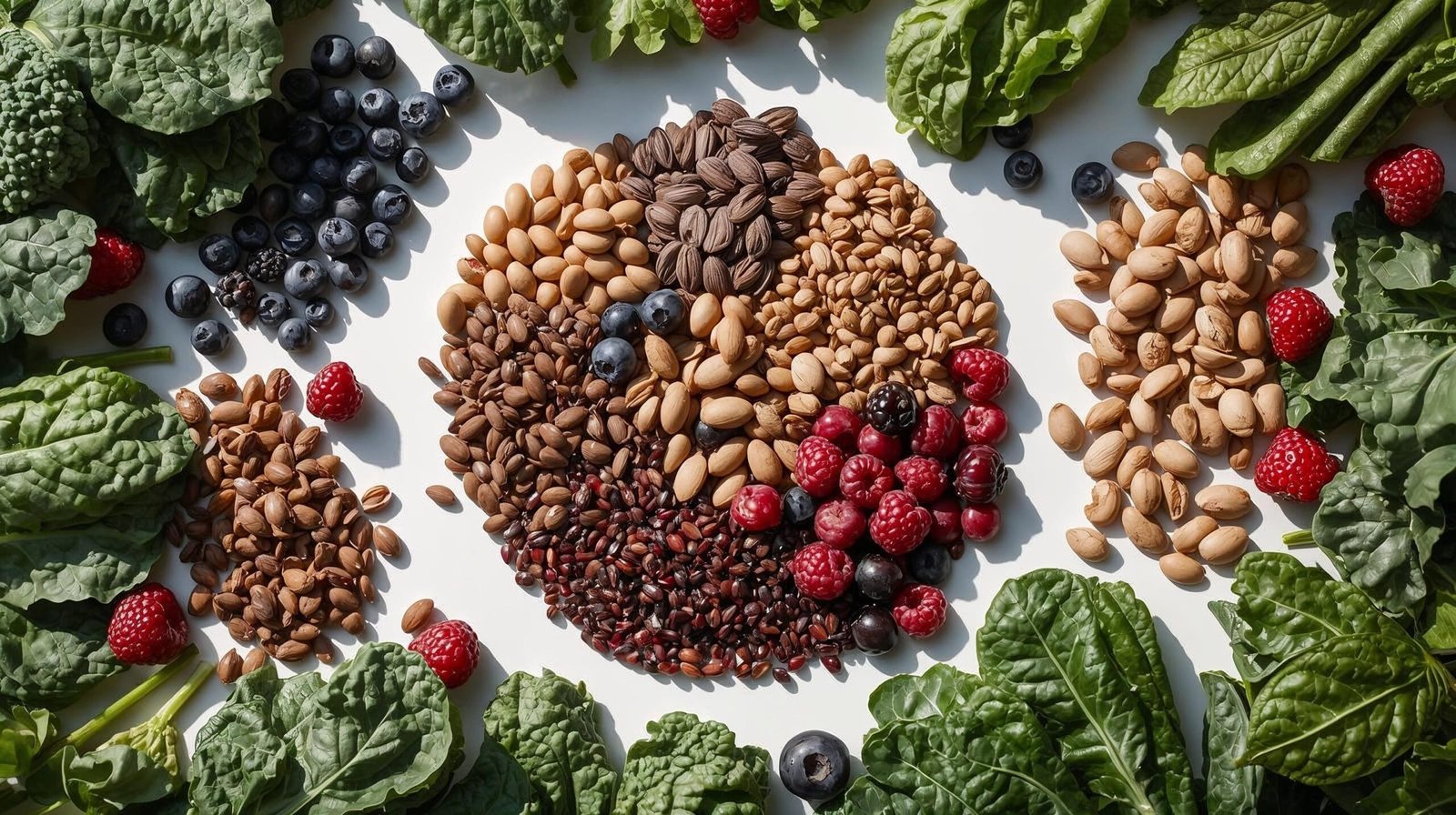
At the heart of the end of dieting lies a simple yet transformative idea: food quality matters more than calorie quantity. Dr. Fuhrman introduces the concept of nutrient density, which he defines as the concentration of micronutrients—vitamins, minerals, antioxidants, and phytochemicals—per calorie consumed.
Unlike traditional diets that emphasise portion control, deprivation, or macronutrient manipulation, The End of Dieting asserts that hunger is not the enemy. True hunger, when guided by nutrient-dense foods, becomes a powerful ally in achieving optimal health.
This paradigm shift liberates readers from the psychological burden of constant restriction and guilt. The end of dieting is, therefore, both a physiological and emotional emancipation.
Dr. Joel Fuhrman’s Credentials and Scientific Authority
Dr. Joel Fuhrman is a board-certified family physician and a leading authority in nutritional medicine. His clinical experience spans decades, and his recommendations are supported by extensive peer-reviewed research.
In The End of Dieting, Dr. Fuhrman meticulously cites epidemiological studies, clinical trials, and biochemical evidence. This scholarly rigor distinguishes the book from anecdotal diet literature and reinforces the credibility of the end of dieting as a medically sound approach.
The Myth of Calorie Counting
One of the most compelling arguments in The End of Dieting is the rejection of calorie counting as a primary health strategy. Dr. Fuhrman demonstrates that all calories are not metabolically equal. Highly processed, nutrient-poor foods disrupt hormonal signalling, impair satiety mechanisms, and promote fat storage.
The end of dieting replaces numerical obsession with nutritional intelligence. By consuming foods rich in fibre and micronutrients, individuals naturally regulate appetite without conscious restriction.
The Nutritarian Diet Explained
Central to the end of dieting is the Nutritarian Diet, a dietary framework prioritising vegetables, fruits, legumes, nuts, seeds, and whole grains. Animal products and processed foods are minimised or eliminated.
This approach does not demand perfection but encourages gradual improvement. Dr. Fuhrman introduces the Health Equation:
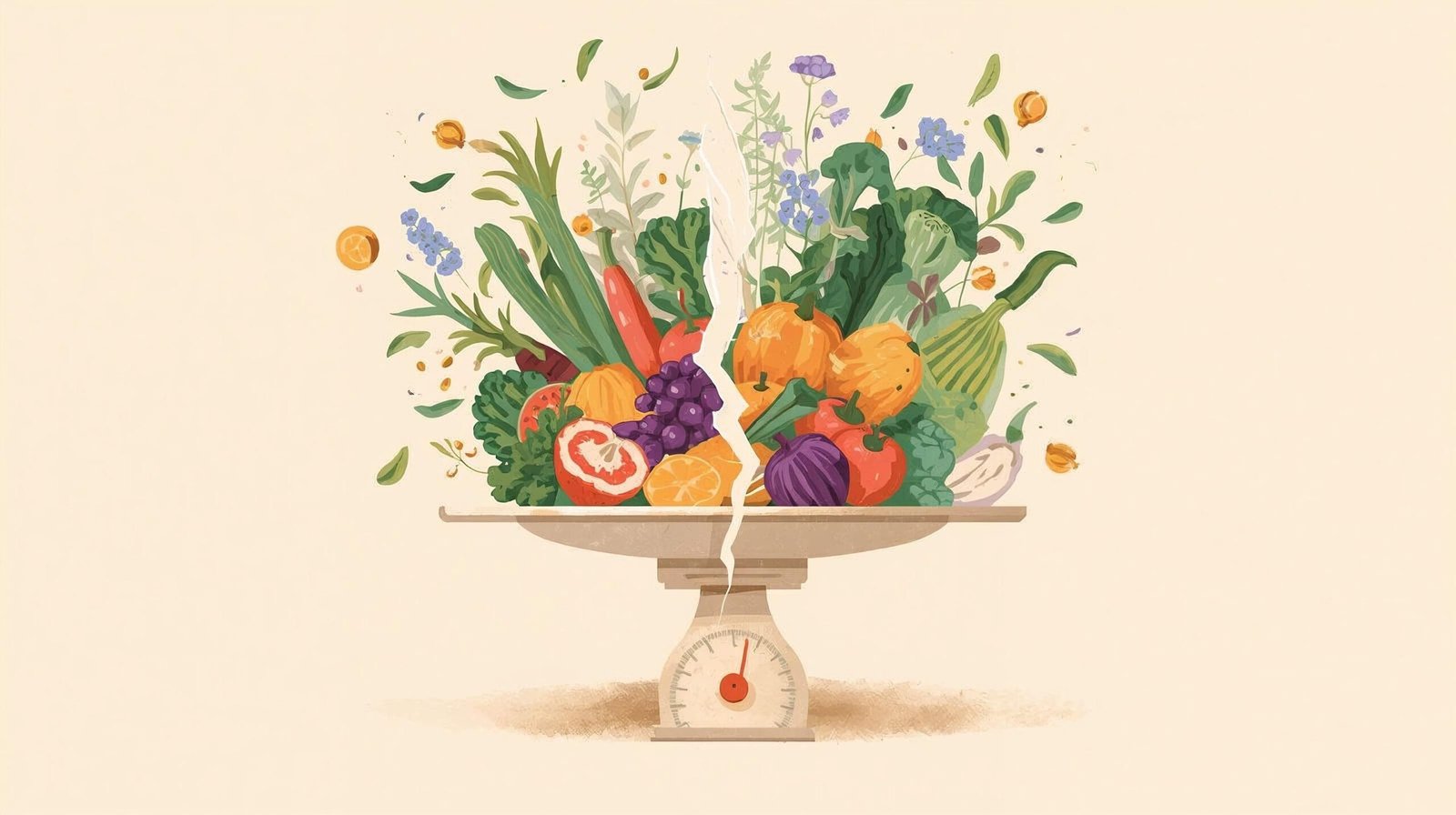
Health = Nutrients / Calories
This elegant formula encapsulates the essence of the end of dieting and provides readers with a clear decision-making tool.
Weight Loss as a Secondary Outcome
A defining strength of The End of Dieting is its refusal to idolise weight loss. Dr. Fuhrman insists that when health becomes the primary objective, weight normalisation follows naturally.
This reframing alleviates the emotional trauma associated with dieting failures. The end of dieting restores dignity to the health journey by shifting focus from appearance to vitality, energy, and disease prevention.
Disease Prevention and Reversal
The end of dieting extends far beyond weight management. Dr. Fuhrman presents compelling evidence that a nutrient-dense diet can prevent—and in some cases reverse—conditions such as:
-
Type 2 diabetes
-
Hypertension
-
Cardiovascular disease
-
Autoimmune disorders
-
Certain cancers
By addressing the root cause—nutrient deficiency—The End of Dieting challenges the pharmaceutical-centric model of modern healthcare.
Psychological Freedom from Food Addiction
Another profound contribution of The End of Dieting is its exploration of food addiction. Dr. Fuhrman explains how salt, sugar, and fat hijack dopamine pathways, creating compulsive eating behaviours.
The end of dieting is, therefore, an act of neurological rehabilitation. As the palate adapts to natural foods, cravings diminish, and food becomes nourishment rather than emotional anesthesia.
Practical Meal Planning and Transition Strategies
Unlike abstract nutritional theories, The End of Dieting offers practical guidance. Dr. Fuhrman provides:
-
Sample meal plans
-
Shopping lists
-
Transitional strategies for beginners
-
Recipes designed for simplicity and sustainability
This pragmatic approach ensures that the end of dieting is achievable, not aspirational.
Criticisms and Realistic Expectations
While The End of Dieting is transformative, it is not without challenges. Critics argue that the Nutritarian Diet may feel restrictive to those accustomed to conventional eating patterns.
However, Dr. Fuhrman does not deny this difficulty. Instead, he frames adaptation as a necessary period of recalibration. The end of dieting is not a shortcut—it is a permanent lifestyle realignment.
Who Should Read The End of Dieting?
This book is ideal for:
-
Individuals exhausted by repeated diet failures
-
Readers seeking science-based nutrition
-
Those managing chronic lifestyle diseases
-
Anyone committed to long-term health rather than temporary results
The end of dieting is particularly valuable for readers who desire clarity amid nutritional confusion.
Nutritional Intelligence Versus Dietary Dogma
One of the most compelling aspects of Dr. Fuhrman’s work is his challenge to entrenched dietary dogma. For decades, mainstream nutrition advice has oscillated between conflicting extremes—low-fat, low-carb, high-protein, ketogenic, paleo—each presented as a definitive solution. What distinguishes this book is its insistence on nutritional intelligence rather than blind adherence to ideology.
Dr. Fuhrman argues that many popular eating plans succeed temporarily not because they enhance health, but because they eliminate overtly harmful foods. However, the absence of junk does not automatically equate to nutritional adequacy. True dietary wisdom, he contends, requires a proactive pursuit of micronutrient sufficiency rather than mere avoidance of excess calories.
This distinction is subtle yet profound. It moves the conversation away from trends and towards biological necessity, anchoring dietary decisions in evolutionary physiology and cellular function.
Hunger: A Signal, Not a Threat
Modern culture treats hunger as a condition to be suppressed, medicated, or feared. Dr. Fuhrman reframes hunger as a biological signal that has been distorted by nutritionally barren foods. When meals lack essential nutrients, the body continues to demand intake, resulting in overeating despite adequate caloric consumption.
By restoring nutrient adequacy, hunger becomes predictable, manageable, and aligned with genuine physiological need. This recalibration of appetite is one of the most transformative experiences reported by readers. Eating ceases to be a battle of restraint and becomes an intuitive response to bodily signals.
Such insights challenge the moralisation of eating behaviour and replace shame with understanding.
The Role of Fibre in Metabolic Health
A significant portion of the book is devoted to the often-overlooked role of dietary fibre. Dr. Fuhrman emphasises that fibre is not merely a digestive aid but a central regulator of metabolic health. High-fibre foods slow glucose absorption, reduce insulin spikes, and promote satiety.
Furthermore, fibre nourishes the gut microbiome, which plays a critical role in immune regulation, inflammation control, and even mental health. The modern decline in fibre intake, largely due to processed foods, is presented as a silent contributor to chronic disease.
This microbiome-centric perspective adds depth to the nutritional framework and aligns with emerging scientific consensus.

Long-Term Sustainability Over Short-Term Compliance
Many dietary programmes fail not because they are ineffective, but because they are unsustainable. Dr. Fuhrman acknowledges this reality and addresses it directly. He argues that sustainability arises not from flexibility alone, but from alignment with human biology.
When eating patterns support energy levels, mental clarity, and emotional stability, adherence becomes effortless. The book consistently reinforces that lasting change is a consequence of internal reward, not external discipline.
This philosophy resonates deeply in a society fatigued by cycles of enthusiasm and relapse.
Social Pressures and Cultural Resistance
Adopting a health-centred nutritional approach often invites social resistance. Family traditions, workplace norms, and cultural expectations can create friction. Dr. Fuhrman does not trivialise these challenges. Instead, he encourages readers to cultivate quiet confidence rather than evangelism.
He suggests that personal results—improved vitality, stable mood, and physical resilience—become the most persuasive argument. Over time, scepticism gives way to curiosity, and resistance softens into respect.
This realistic treatment of social dynamics enhances the book’s credibility and practicality.
Redefining Success Beyond the Scale
Another notable strength of the book is its rejection of scale-centric success metrics. Dr. Fuhrman highlights alternative indicators of progress, including improved sleep quality, reduced inflammation, enhanced cognitive function, and stabilised energy throughout the day.
By broadening the definition of success, readers are protected from discouragement during periods when weight changes plateau. This multidimensional perspective fosters patience and reinforces intrinsic motivation.
Health, in this framework, is a lived experience rather than a numerical outcome.
Ageing, Longevity, and Cellular Protection
Beyond immediate health improvements, the book places significant emphasis on longevity. Dr. Fuhrman presents evidence linking nutrient-rich diets to telomere preservation, reduced oxidative stress, and enhanced DNA repair mechanisms.
Ageing is framed not as an inevitable decline, but as a process influenced by cumulative lifestyle choices. While genetics play a role, nutritional environment is portrayed as a powerful modulator of lifespan and healthspan.
This forward-looking perspective appeals particularly to readers concerned with ageing gracefully rather than merely extending years.
Emotional Resilience and Mental Clarity
Nutrition’s impact on mental health is treated with nuance and scientific grounding. Dr. Fuhrman explores the relationship between inflammation, neurotransmitter synthesis, and mood regulation. Diets deficient in micronutrients are linked to anxiety, depression, and cognitive fog.
As nutritional status improves, many readers report enhanced emotional stability and sharper mental focus. These benefits, though less visible than weight changes, profoundly influence quality of life.
The book thus bridges the artificial divide between physical and mental well-being.
Ethical and Environmental Considerations
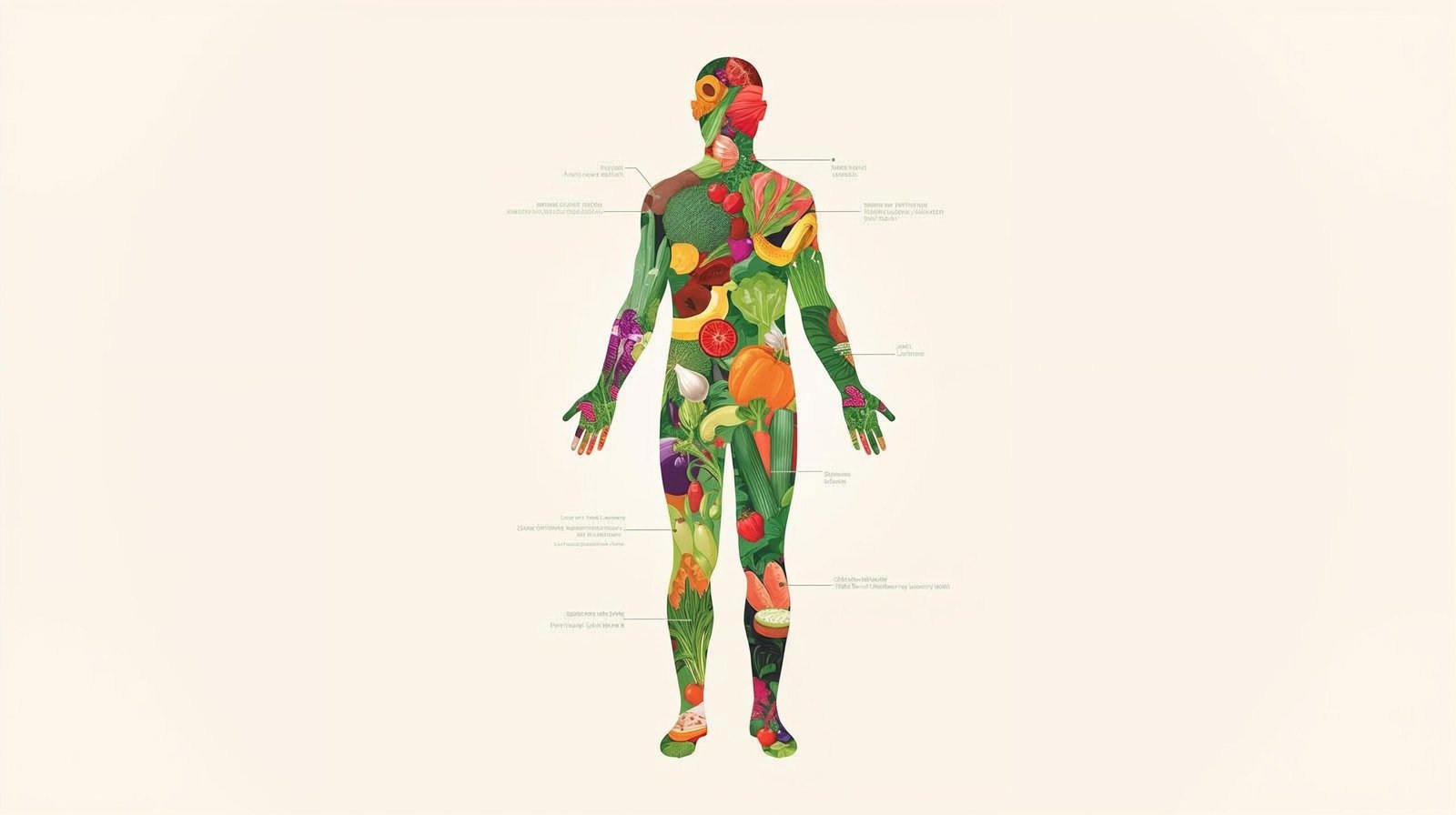
While the book is not overtly political, it does acknowledge the ethical and environmental implications of food choices. Plant-rich diets are associated with lower environmental impact, reduced resource consumption, and improved sustainability.
This alignment between personal health and planetary health adds an additional layer of meaning to dietary decisions. Readers are invited to consider their choices within a broader ecological context without moral coercion.
Such integration of ethics and health reflects a mature and holistic worldview.
Personal Responsibility Without Blame
Perhaps the most humane aspect of Dr. Fuhrman’s approach is his balance between personal responsibility and compassion. He holds individuals accountable for their choices while acknowledging the systemic forces—marketing, misinformation, and cultural conditioning—that shape behaviour.
This balance avoids both victimhood and blame, empowering readers without alienating them. Change is presented as possible, not easy; necessary, not punitive.
The Importance of Habit Formation in Nutritional Change
Lasting improvement in health rarely emerges from sudden, dramatic alterations. Dr. Fuhrman emphasises that durable transformation is rooted in habit formation rather than temporary enthusiasm. When dietary adjustments are introduced gradually and reinforced consistently, they become embedded in daily life without provoking resistance.
Habits function beneath conscious effort. Once established, they reduce decision fatigue and eliminate the need for constant motivation. This principle is particularly relevant in nutritional behaviour, where repeated choices accumulate into long-term outcomes. By prioritising routine over novelty, individuals create an environment in which healthy decisions occur naturally.
This emphasis on behavioural consistency reflects a sophisticated understanding of human psychology.
Education as the Foundation of Empowerment
A recurring theme throughout the book is the belief that informed individuals make better decisions. Dr. Fuhrman invests considerable effort in educating readers about the physiological consequences of food choices. Rather than issuing rigid instructions, he provides explanations that encourage independent reasoning.
This educational approach fosters autonomy. Readers are not merely following a plan; they are understanding why certain foods support vitality while others undermine it. Knowledge, in this context, becomes a form of empowerment that sustains commitment over time.
Such intellectual engagement distinguishes the work from prescriptive manuals.
Managing Setbacks Without Abandonment
No long-term lifestyle change unfolds without setbacks. Dr. Fuhrman addresses this reality candidly, urging readers to interpret lapses as data rather than failure. Occasional deviations do not negate progress; they offer insight into triggers, environments, and emotional states.
By reframing setbacks as opportunities for refinement, the book discourages the all-or-nothing mentality that derails many health journeys. Persistence, not perfection, is presented as the defining characteristic of success.
This compassionate realism enhances the book’s credibility and emotional resonance.
The Role of Community and Social Support
While personal responsibility is central, the importance of social support is not ignored. Shared meals, aligned household habits, and supportive peer networks significantly increase adherence. Dr. Fuhrman encourages readers to seek community, whether through family involvement or like-minded groups.
Social reinforcement normalises healthier choices and reduces feelings of isolation. When dietary values are shared, they cease to feel restrictive and instead become part of collective identity.
This social dimension adds practical depth to the framework.
A Sustainable Vision for Lifelong Vitality
The overarching vision presented is one of sustainability across decades, not months. Health is portrayed as an evolving state that responds dynamically to lifestyle inputs. Nutritional excellence, once integrated, supports resilience through ageing, stress, and environmental challenges.
Rather than promising dramatic short-term transformation, the book offers something more substantial: a reliable pathway to sustained vitality. This long-term orientation aligns with both scientific evidence and lived experience.
In this sense, the work stands not as a temporary guide, but as a lifelong reference for informed living.

Final Reflections on Lasting Change
The enduring value of this book lies in its refusal to oversimplify. It does not offer shortcuts or indulgent promises. Instead, it provides a coherent framework grounded in biology, supported by evidence, and validated by clinical experience.
Readers willing to engage deeply with its principles often discover that health is not something to be chased, but something that emerges naturally when the body is adequately nourished.
FAQs
Is The End of Dieting suitable for beginners?
Yes. Dr. Fuhrman provides clear explanations and gradual transition strategies, making the end of dieting accessible even to novices.
Does The End of Dieting promote extreme veganism?
No. While plant-focused, the book allows flexibility and emphasises progress over perfection.
Can the end of dieting help with emotional eating?
Absolutely. By correcting nutrient deficiencies, cravings diminish naturally over time.
Is scientific evidence provided?
Yes. The End of Dieting is extensively supported by peer-reviewed research.
How long before results are visible?
Health improvements often begin within weeks, while sustainable weight changes follow progressively.
Conclusion: Why The End of Dieting Matters
The end of dieting is not a trend—it is an intellectual and physiological awakening. Dr. Joel Fuhrman offers a rare synthesis of science, compassion, and practicality. This book does not promise rapid miracles; it promises something far more valuable—truth.
For readers weary of false hope and cyclical failure, The End of Dieting provides a rational, empowering path forward. It restores autonomy over health and reframes food as medicine rather than temptation.
At shubhanshuinsights.com, we believe this book deserves careful reading, thoughtful application, and long-term commitment. The end of dieting is, ultimately, the beginning of informed living.
Ultimately, meaningful health transformation arises from informed choices repeated over time. When nourishment replaces negotiation, and understanding replaces confusion, food regains its rightful role as a source of strength. Such clarity fosters confidence, resilience, and a sustainable relationship with eating that endures well beyond fleeting trends.