Strength and Conditioning: Biological Principles and Practical Applications – A Definitive Review
In the modern landscape of athletic development, superficial training advice has proliferated at an alarming rate. Social media snippets, unverified routines, and aesthetically driven workouts often overshadow scientific rigor. Against this background, Strength and Conditioning: Biological Principles and Practical Applications by Marco Cardinale, Robert Newton, and Kazunori Nosaka emerges as a scholarly bastion of truth. This strength and conditioning book does not merely prescribe exercises; it elucidates the biological foundations upon which intelligent training must be constructed.
Written by three globally respected authorities in sports science, this volume bridges the persistent gap between laboratory research and real-world coaching. It speaks equally to elite strength coaches, sports scientists, physiotherapists, and serious athletes who seek depth rather than dogma. The strength and conditioning book is unapologetically scientific, yet relentlessly practical—an uncommon and valuable combination.
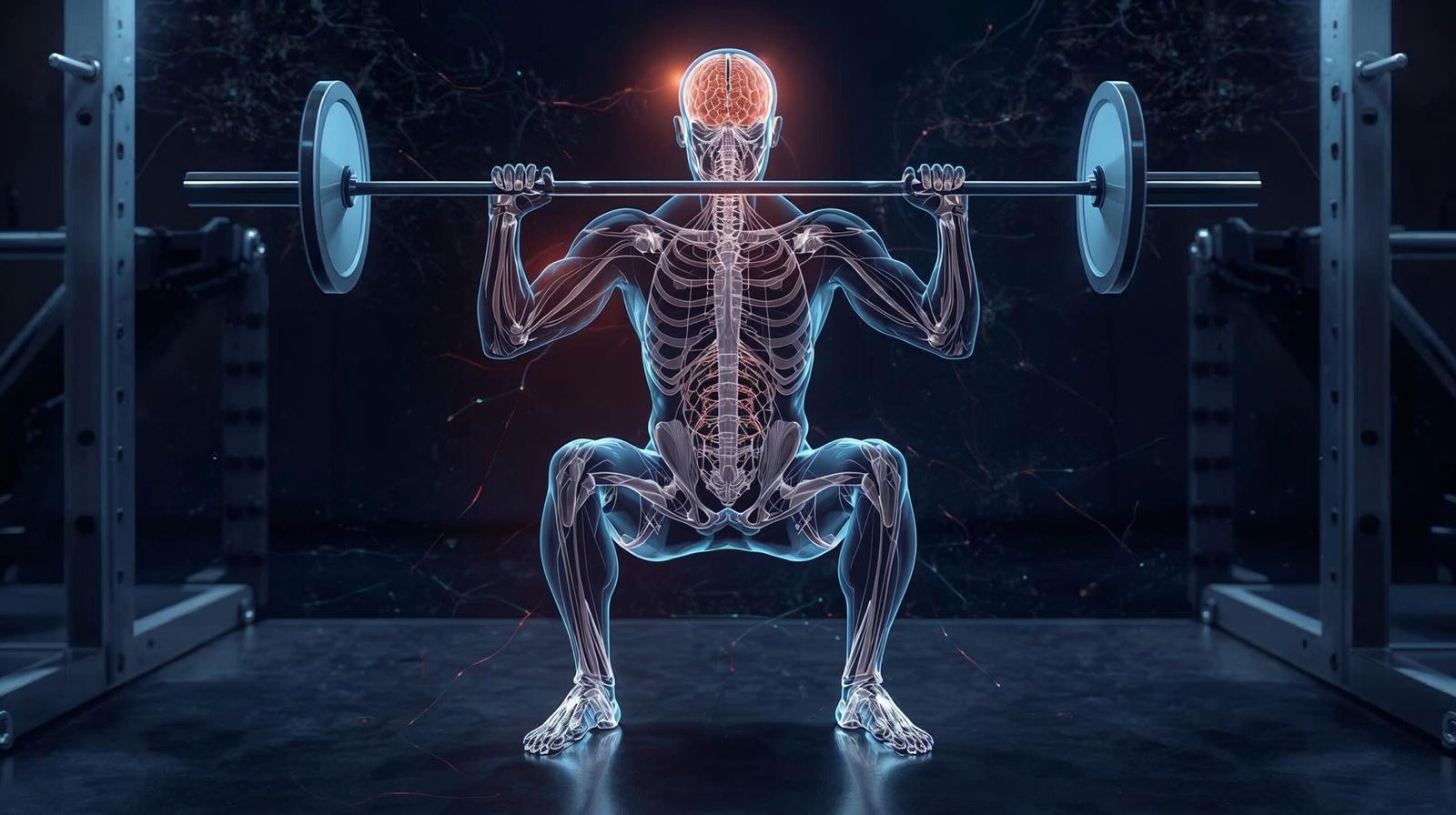
The Authors: Architects of Evidence-Based Performance
The credibility of any strength and conditioning book is inseparable from the intellectual stature of its authors.
Marco Cardinale is renowned for his work in neuromuscular performance and elite sport preparation.
Robert Newton has contributed extensively to power development, resistance training, and athlete monitoring.
Kazunori Nosaka is internationally recognised for pioneering research on eccentric exercise and muscle damage.
Together, they bring decades of empirical research, elite sporting experience, and pedagogical clarity. Their collaboration ensures that this strength and conditioning book reflects global best practice rather than isolated theoretical models.
Why This Strength and Conditioning Book Matters
Many training manuals suffer from one of two fatal flaws: they are either scientifically dense yet practically unusable, or intuitively appealing but biologically naïve. This strength and conditioning book avoids both extremes.
It is grounded in physiology, biomechanics, and motor control, while remaining explicitly focused on application. The reader is not merely told what to do, but why it works and when it should be applied. This emphasis on mechanism-based training makes the book invaluable for long-term athlete development rather than short-term performance illusions.
Core Biological Principles Explained with Precision
1. Neuromuscular Adaptation and Motor Unit Recruitment
A central theme of the strength and conditioning book is the role of the nervous system in strength development. Strength is not merely a property of muscle size but of neural efficiency, motor unit synchronisation, and firing frequency.
The authors meticulously explain how early strength gains are predominantly neural in nature, highlighting the importance of technique, intent, and movement quality—especially in novice and intermediate athletes.
2. Muscle Architecture and Force Production
Muscle pennation angle, fibre length, and tendon stiffness are explored with remarkable clarity. Unlike generic fitness texts, this strength and conditioning book explains how architectural changes influence force–velocity relationships.
Understanding these principles allows coaches to select exercises that optimise specific adaptations, whether maximal strength, explosive power, or muscular endurance.
3. Eccentric Training and Muscle Damage
Kazunori Nosaka’s influence is evident in the book’s authoritative treatment of eccentric loading. The authors dispel myths surrounding muscle soreness while explaining the protective repeated bout effect.
This strength and conditioning book demonstrates how eccentric training can be harnessed safely to enhance strength, resilience, and injury prevention when properly dosed.
Practical Applications That Separate Science from Speculation
Periodisation Reimagined
Rather than promoting rigid linear or undulating models, the strength and conditioning book presents periodisation as a biological response management system. Training variables are adjusted according to adaptation rates, fatigue markers, and competition demands.
This approach empowers coaches to think critically rather than follow templated programmes blindly.
Strength Development Across Athletic Populations
The book carefully distinguishes between youth athletes, elite professionals, and ageing populations. Each demographic requires unique loading strategies, recovery protocols, and progression timelines.
Few texts manage this breadth with such authority, making this strength and conditioning book particularly valuable in institutional and high-performance environments.
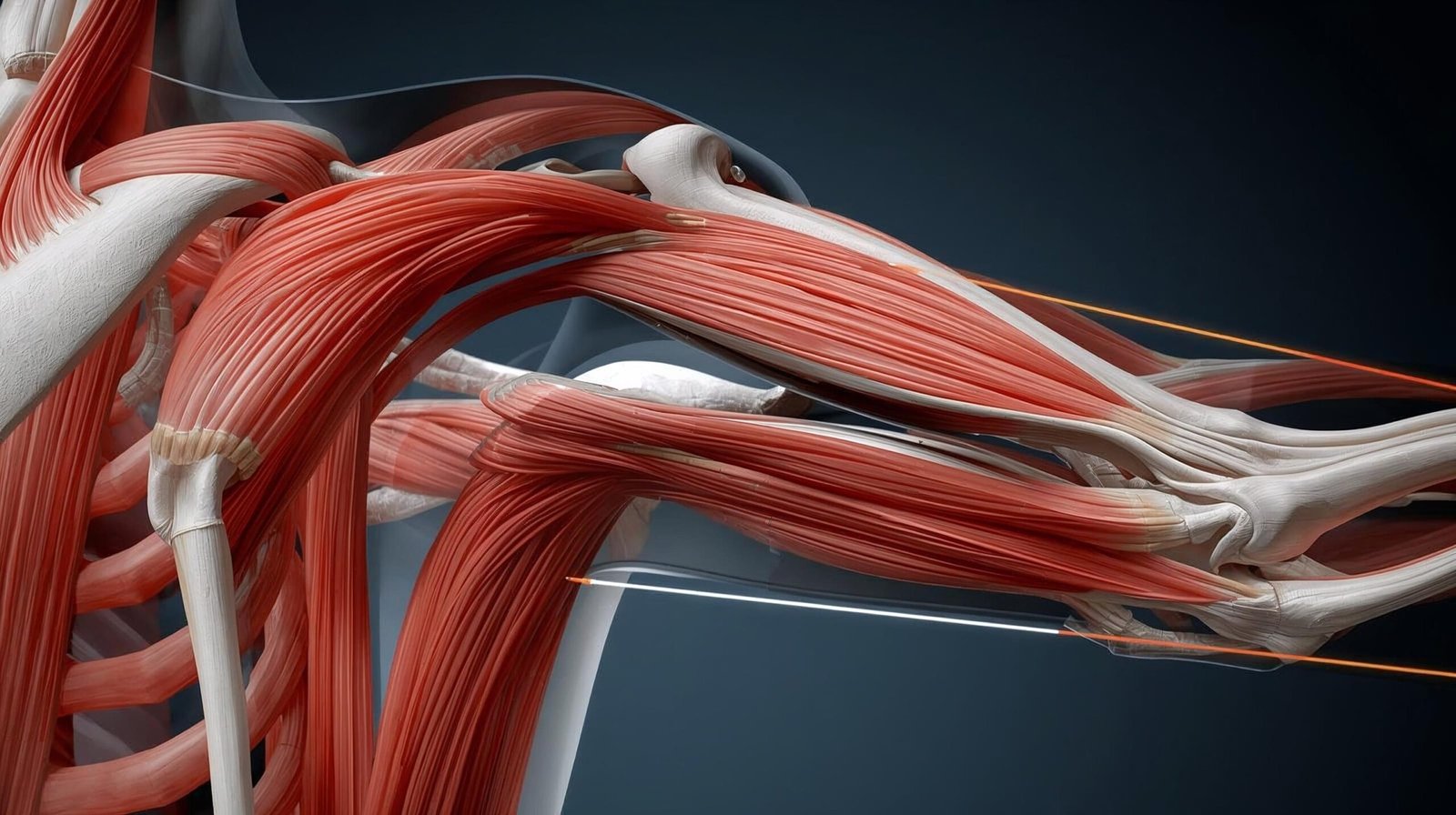
Power, Speed, and Rate of Force Development
Power is treated not as a fashionable buzzword but as a biomechanical outcome. Olympic lifts, plyometrics, and ballistic movements are analysed through the lens of force–time characteristics.
This strength and conditioning book equips practitioners with the tools to develop speed and explosiveness without compromising joint integrity or long-term athletic health.
Monitoring, Recovery, and Fatigue Management
Modern training does not end with programme design. The authors devote substantial attention to monitoring strategies, including neuromuscular testing, performance markers, and subjective readiness indicators.
Importantly, the strength and conditioning book cautions against technological overreliance, advocating instead for informed interpretation grounded in biological understanding.
Injury Prevention Through Intelligent Loading
Rather than isolating injury prevention as a separate domain, the book integrates it into training logic. Tissue capacity, progressive overload, and mechanical specificity form the backbone of sustainable performance.
This holistic philosophy makes the strength and conditioning book especially relevant for long-term athlete development models.
Academic Rigor Without Intellectual Arrogance
Despite its scientific depth, the language remains precise rather than pretentious. Graphs, tables, and references support arguments without overwhelming the reader.
For students of sports science, this strength and conditioning book functions as both a learning text and a professional reference. For coaches, it offers validation of evidence-based practice in a field often dominated by anecdote.
Who Should Read This Strength and Conditioning Book?
-
Strength and conditioning coaches
-
Sports science and physiotherapy students
-
High-performance directors
-
Athletic trainers and rehabilitation specialists
-
Serious athletes seeking scientific understanding
This is not a casual fitness read. It is a professional manual designed for those who respect biological truth over training folklore.
Deep Integration of Biology and Coaching Practice
One of the most intellectually satisfying aspects of this text is the way biological theory is woven seamlessly into coaching logic. Rather than isolating physiology as an abstract discipline, the authors demonstrate how cellular adaptation, neural signalling, and connective tissue responses directly influence exercise prescription. This is precisely where the strength and conditioning book distinguishes itself from popular training manuals that treat science as decorative rather than functional.
The discussion of adaptation thresholds is particularly enlightening. Training stress is presented not as a blunt stimulus but as a finely tuned signal that must respect the athlete’s biological context. The authors explain that identical programmes can yield dramatically different outcomes depending on genetic predisposition, training history, sleep quality, and nutritional status. This nuanced understanding prevents the overgeneralisation that plagues modern fitness culture.
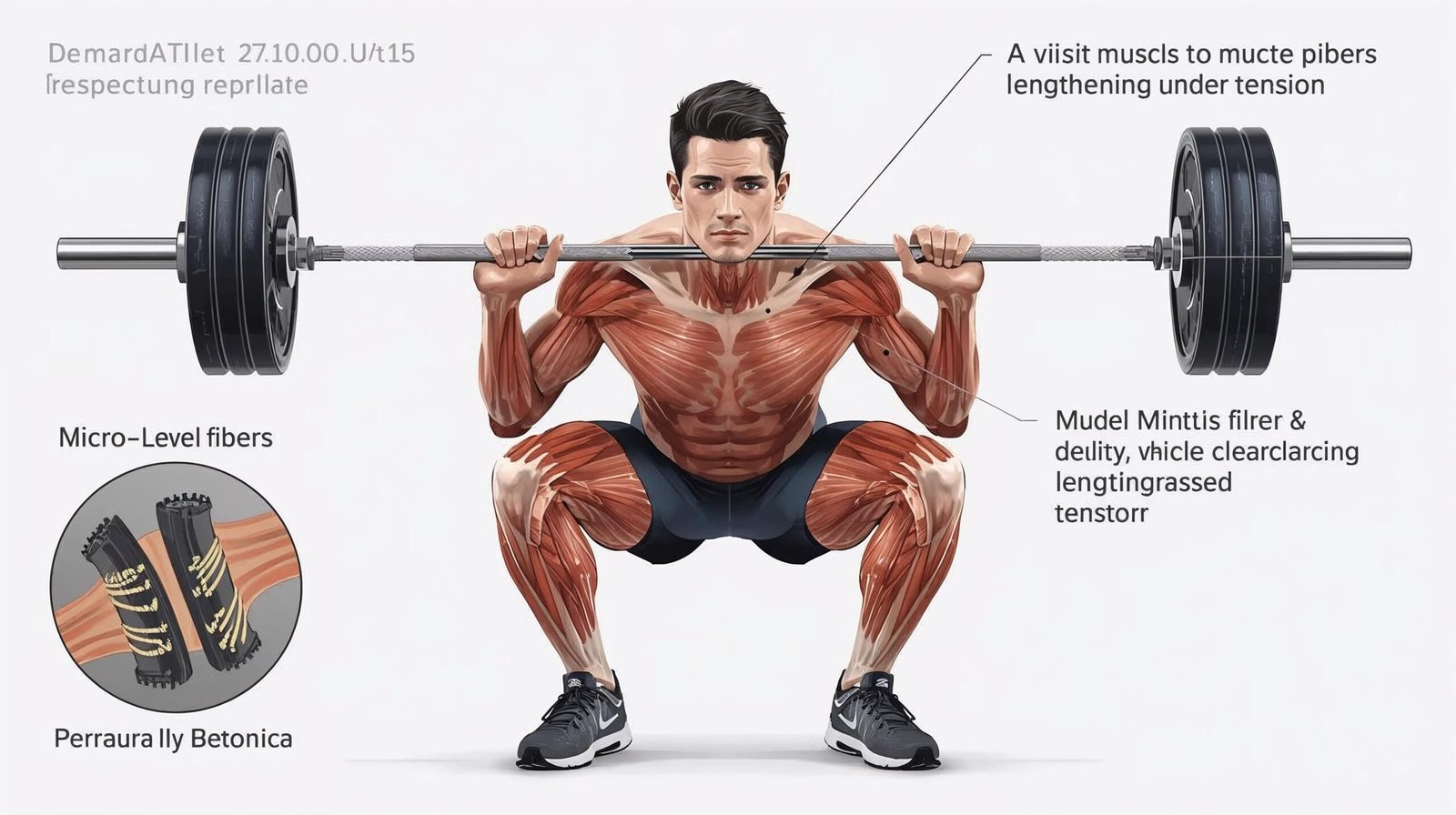
Load, Volume, and Intensity: Beyond Simplistic Metrics
Many coaches rely excessively on numerical prescriptions—sets, repetitions, percentages—without understanding the biological consequences of these variables. This volume corrects that tendency by reframing load as a biological stressor rather than a mathematical value. The strength and conditioning book explains how mechanical tension, metabolic stress, and muscle damage interact in complex and sometimes contradictory ways.
Of particular note is the authors’ emphasis on intent. Two athletes lifting the same load may experience vastly different neuromuscular outcomes depending on movement velocity and cognitive engagement. This insight elevates coaching from mere supervision to skilled intervention, reinforcing the idea that performance development is as much neurological as it is muscular.
The Role of Tendons, Fascia, and Elastic Energy
Muscle-centric thinking has long dominated resistance training discourse, often to the neglect of tendinous and fascial structures. The authors devote considerable attention to these tissues, explaining their role in force transmission, energy storage, and injury resilience. This anatomical breadth strengthens the book’s scientific credibility.
Elastic properties are discussed not in vague terms but through biomechanical models that explain why stiffness can be both beneficial and detrimental depending on sporting context. By clarifying these trade-offs, the strength and conditioning book equips practitioners to design training that enhances performance without compromising durability.
Long-Term Athlete Development and Ethical Responsibility
A particularly commendable dimension of the text is its ethical undercurrent. The authors repeatedly stress that biological systems adapt slowly and predictably, and that attempting to accelerate this process irresponsibly invites injury and burnout. This philosophy is especially relevant in youth sport, where premature specialisation and excessive loading have become endemic.
The strength and conditioning book advocates progressive exposure rather than maximal exploitation. Strength is portrayed as a lifelong capacity built through patience, technical mastery, and respect for biological timelines. Such an approach challenges the short-termism that often dominates competitive sport environments.
Translating Research Without Dilution
Scientific research is notoriously difficult to translate into practice without oversimplification. Yet the authors manage this translation with admirable precision. Experimental findings are contextualised, limitations are acknowledged, and practical relevance is clearly delineated. This intellectual honesty enhances the book’s authority.
The reader is never encouraged to apply research mechanically. Instead, the strength and conditioning book promotes interpretative skill—the ability to judge when evidence applies, when it does not, and how it must be adapted to individual circumstances. This distinction separates genuine expertise from rote knowledge.
Psychological and Neurocognitive Dimensions of Training
Although primarily rooted in biological science, the book does not ignore the psychological determinants of performance. Motivation, attentional focus, and learning are presented as neurobiological phenomena rather than abstract traits. Skill acquisition is linked to neural plasticity, reinforcing the importance of deliberate practice and feedback.
This integration reminds the reader that training outcomes are mediated through the brain. The strength and conditioning book thus aligns with contemporary neuroscience, underscoring that physical preparation is inseparable from cognitive engagement.
A Textbook That Ages Well
Unlike trend-driven publications, this work is built upon principles that are unlikely to be invalidated by future research. While methods may evolve, the biological foundations described are enduring. This longevity makes the strength and conditioning book a sound intellectual investment rather than a disposable guide.
Its relevance extends beyond sport into rehabilitation, occupational health, and general physical education. Any field that involves human movement under load can benefit from the insights articulated here.

Methodological Sophistication and Scientific Literacy
A notable strength of this work lies in its methodological transparency. Rather than presenting conclusions as immutable truths, the authors consistently explain how knowledge in human performance is generated. Experimental design, measurement limitations, and contextual variables are discussed with refreshing candour. This approach cultivates scientific literacy, encouraging readers to evaluate evidence critically instead of accepting authority unconditionally.
Such intellectual discipline is increasingly rare in applied training literature. By emphasising how conclusions are derived, the text empowers practitioners to remain adaptable as new evidence emerges. This is especially valuable in a field where commercial interests often distort scientific interpretation.
Bridging Elite Sport and General Practice
Although the book draws extensively from elite sport environments, its relevance is not confined to professional athletes. The physiological principles described apply equally to recreational trainees, military personnel, and individuals pursuing long-term health. The authors carefully distinguish between universal biological laws and context-specific applications, preventing misinterpretation.
This distinction ensures that advanced concepts do not become misused through inappropriate scaling. Readers are reminded that sophistication in training does not necessarily mean complexity, but rather precision and contextual awareness.
Resistance Training as a Skill, Not a Routine
A particularly insightful theme is the treatment of resistance training as a learned motor skill. Movement efficiency, coordination, and technical consistency are prioritised over arbitrary progression. This perspective reframes strength development as an educational process rather than a purely physical one.
By emphasising technical mastery, the authors indirectly address injury risk, performance longevity, and transferability to sport-specific actions. This pedagogical framing elevates coaching from instruction to mentorship, reinforcing the importance of observation, feedback, and patience.
Adaptation, Recovery, and the Cost of Progress
Progress is never portrayed as free. Every adaptation carries a physiological cost, and the authors are meticulous in explaining the trade-offs involved in pushing biological systems beyond homeostasis. Recovery is treated as an active process, influenced by sleep, nutrition, psychological stress, and environmental factors.
This balanced treatment discourages reckless intensity and challenges the glorification of exhaustion. Sustainable improvement, the reader is reminded, depends on managing stress rather than maximising it indiscriminately.
A Corrective to Fitness Industry Simplification
Perhaps the book’s greatest contribution is its corrective influence on an industry increasingly dominated by simplification and spectacle. It resists sensational claims and rejects the promise of rapid transformation. Instead, it offers a sober, evidence-driven narrative that respects both the complexity and resilience of the human body.
For readers fatigued by contradictory advice and fleeting trends, this work provides intellectual stability. It reinforces the idea that meaningful progress is cumulative, disciplined, and grounded in understanding rather than novelty.
Enduring Educational Value
As an educational resource, the book rewards repeated reading. Concepts deepen with experience, revealing layers of relevance as the reader’s professional maturity grows. This characteristic distinguishes enduring texts from transient publications designed for immediate consumption.
Ultimately, the work stands as a testament to the value of rigor, humility, and biological respect in physical preparation. It reminds practitioners that excellence is achieved not through shortcuts, but through consistent alignment with the principles that govern human adaptation.
Final Reflection on Scholarly Value
What ultimately sets this work apart is its refusal to compromise complexity for popularity. It respects the intelligence of its reader and demands intellectual engagement in return. The authors neither exaggerate claims nor offer false certainty. Instead, they provide a framework for thinking—arguably the most valuable gift any educational text can offer.
In an era increasingly dominated by algorithm-driven fitness advice, the strength and conditioning book stands as a reminder that performance excellence is grounded in biology, discipline, and ethical responsibility. Its contribution to the field is not merely instructional but cultural, reinforcing a standard of professionalism that modern training desperately needs.
Frequently Asked Questions (FAQs)
Is this strength and conditioning book suitable for beginners?
While beginners may find certain sections demanding, the foundational explanations are invaluable. However, some prior familiarity with training concepts is beneficial.
Does the book include workout programmes?
The strength and conditioning book prioritises principles over prescriptive routines. It teaches readers how to design programmes rather than merely follow them.
How scientific is the content?
Extremely. Every major concept is supported by peer-reviewed research, making this strength and conditioning book academically credible.
Can coaches apply this knowledge immediately?
Yes. Despite its scientific nature, the practical applications are explicit and directly transferable to training environments.
Is this book relevant beyond elite sport?
Absolutely. The biological principles apply to general population training, rehabilitation, and lifelong physical development.
Final Verdict: A Monument of Training Intelligence
Strength and Conditioning: Biological Principles and Practical Applications stands as one of the most authoritative texts in modern sports science. It rejects gimmicks, challenges simplifications, and rewards intellectual seriousness.
This strength and conditioning book does not promise shortcuts or sensational transformations. Instead, it offers something far more valuable: understanding. In an era saturated with misinformation, such clarity is rare and indispensable.
For anyone committed to ethical, effective, and evidence-based training, this book is not optional—it is foundational.
Conclusion
True strength is built on knowledge before iron. This strength and conditioning book reminds us that biology governs performance, not trends or opinions. By mastering the principles outlined within its pages, coaches and athletes alike can pursue progress with confidence rather than guesswork.
If you seek training wisdom rooted in science and refined through practice, this book deserves a permanent place on your shelf.
For more in-depth book reviews, scientific fitness insights, and long-form performance analysis, visit:
👉 shubhanshuinsights.com