Functional Training Book by Michael Boyle – A Definitive and Thought-Provoking Review
The functional training book by Michael Boyle stands as one of the most intellectually disruptive works in modern strength and conditioning literature. In an industry long dominated by bodybuilding traditions, aesthetic ideals, and machine-centric exercise routines, Boyle’s philosophy arrives as both a correction and a challenge. This book is not merely about exercises; it is about re-educating the mind to understand how the human body truly functions.
Michael Boyle, a globally respected strength coach with decades of experience working with elite athletes, delivers in this functional training book a systematic dismantling of outdated fitness dogma. He replaces it with principles grounded in biomechanics, movement efficiency, injury prevention, and athletic longevity.
Unlike generic fitness manuals, this functional training book demands intellectual engagement. It asks the reader to question deeply ingrained beliefs about squats, core training, balance, and even the meaning of strength itself.
Who Is Michael Boyle and Why His Voice Matters
To understand the significance of the functional training book, one must first understand the credibility of its author. Michael Boyle is not a theoretical academic writing from a distance. He is a practitioner who has trained professional athletes across multiple sports, including hockey, football, and Olympic disciplines.
Boyle’s authority stems from:
-
Decades of real-world coaching experience
-
Continuous exposure to injury patterns in athletes
-
A relentless commitment to evidence-based training
-
Willingness to revise his own beliefs publicly
This functional training book reflects that humility and intellectual honesty. Boyle does not present himself as infallible; instead, he presents evolution, learning, and adaptation as core virtues of effective training.
The Central Philosophy of the Functional Training Book
At its core, the functional training book asserts one fundamental truth: the body does not operate in isolation. Muscles do not work independently; they work in integrated systems designed to produce and resist force while maintaining stability.
Michael Boyle strongly criticises:
-
Single-joint isolation exercises
-
Excessive machine dependency
-
Training that ignores movement planes
-
Programs designed for appearance rather than performance
The functional training book redefines functional training not as a marketing buzzword, but as a disciplined approach rooted in anatomy and biomechanics.
Why Traditional Gym Training Falls Short
One of the most controversial sections of the functional training book is Boyle’s critique of conventional gym practices. He argues that many popular exercises:
-
Strengthen muscles in non-functional patterns
-
Increase injury risk over time
-
Fail to transfer to real-world movement
For example, the book challenges the universal application of barbell back squats, especially for individuals with hip or lumbar limitations. The functional training book does not ban such exercises outright, but it demands context, assessment, and individualisation.
This insistence on nuance is what makes the functional training book intellectually demanding and profoundly valuable.
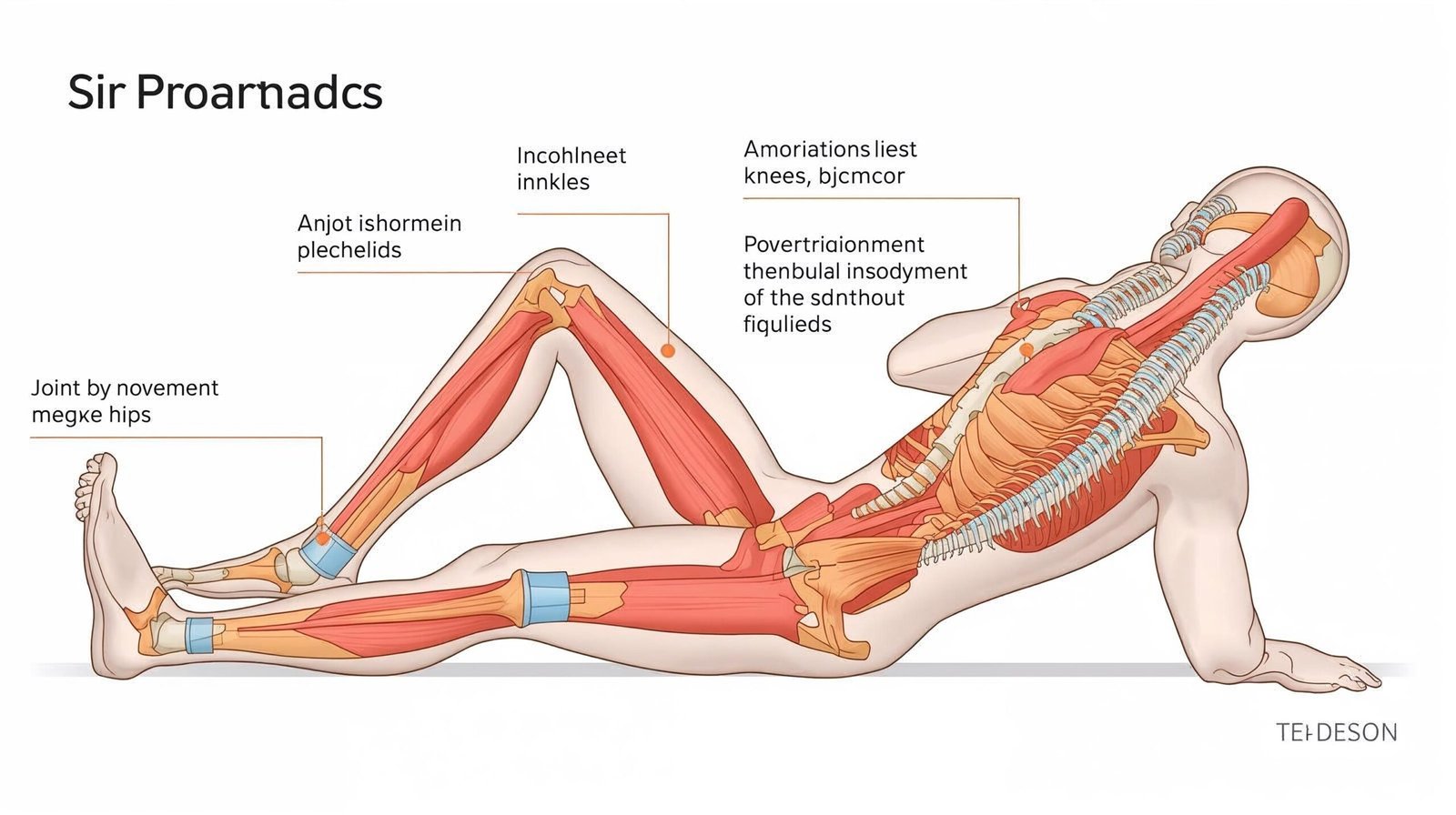
The Concept of Joint-by-Joint Approach
A cornerstone concept repeatedly emphasised in the functional training book is the joint-by-joint approach. According to Boyle, different joints have primary roles:
-
Ankles: mobility
-
Knees: stability
-
Hips: mobility
-
Lumbar spine: stability
-
Thoracic spine: mobility
-
Shoulder: mobility
-
Scapula: stability
This framework enables trainers and fitness enthusiasts to identify dysfunctions logically rather than guessing blindly. The functional training book explains how ignoring these roles leads to compensations, inefficiencies, and ultimately injuries.
Core Training Reimagined
Perhaps no area is more misunderstood than core training, and the functional training book addresses this with surgical precision. Boyle strongly opposes endless sit-ups, crunches, and spinal flexion movements.
Instead, the functional training book promotes:
-
Anti-extension exercises
-
Anti-rotation training
-
Anti-lateral flexion movements
Planks, Pallof presses, and loaded carries are presented not as trends, but as biomechanically sound methods for building a resilient core.
This redefinition of core strength alone justifies the importance of the functional training book.
Single-Leg Training and Athletic Balance
The functional training book places enormous emphasis on single-leg exercises. Boyle argues that most athletic movements occur on one leg at a time, making bilateral dominance misleading.
Key benefits highlighted include:
-
Improved balance and coordination
-
Reduced spinal loading
-
Enhanced transfer to sport and daily life
Exercises such as split squats, step-ups, and single-leg deadlifts receive extensive coverage. The functional training book explains not only how to perform them, but why they are superior for long-term development.
Injury Prevention as a Training Goal
Unlike mainstream fitness books that glorify intensity at all costs, the functional training book positions injury prevention as a non-negotiable objective. Boyle’s philosophy is clear: a program that produces injuries is a failed program.
The functional training book demonstrates how:
-
Poor exercise selection increases chronic pain
-
Mobility without stability invites dysfunction
-
Overuse patterns shorten athletic careers
This approach resonates deeply with ageing athletes, working professionals, and anyone seeking sustainable fitness rather than short-lived results.

Practical Programming Insights
Beyond theory, the functional training book excels in practical application. It offers:
-
Sample training templates
-
Progression models
-
Exercise regressions and alternatives
-
Coaching cues for correct execution
What distinguishes this functional training book is its adaptability. Boyle consistently emphasises that programs must be adjusted to individual anatomy, history, and goals.
Who Should Read This Functional Training Book
The functional training book is ideally suited for:
-
Strength and conditioning coaches
-
Personal trainers
-
Physiotherapists
-
Serious fitness enthusiasts
-
Athletes seeking longevity
However, beginners with intellectual curiosity will also benefit, provided they approach the book patiently.
Writing Style and Intellectual Tone
The writing style of the functional training book is assertive, evidence-based, and occasionally confrontational. Boyle does not dilute his arguments for mass appeal. This intellectual firmness enhances the credibility of the book and distinguishes it from superficial fitness literature.
Strengths of the Functional Training Book
-
Deep biomechanical insight
-
Practical real-world relevance
-
Honest critique of fitness myths
-
Focus on long-term health
-
Applicable across sports and age groups
The functional training book succeeds because it respects the intelligence of the reader.
Limitations Worth Noting
While exceptional, the functional training book may feel challenging for readers seeking quick routines or aesthetic-focused guidance. It demands thought, reflection, and sometimes unlearning deeply held beliefs.
The Evolution of Strength Training Philosophy
Modern strength training has undergone a profound intellectual transformation over the past three decades. Earlier methodologies were primarily influenced by bodybuilding culture, where hypertrophy, symmetry, and visual aesthetics dominated training objectives. Performance, movement efficiency, and injury resilience were often secondary considerations.
This shift did not occur overnight. It emerged from growing dissatisfaction among coaches who observed that visually impressive physiques did not always translate into superior athletic performance. Furthermore, an alarming increase in chronic injuries forced practitioners to re-evaluate long-held assumptions about exercise selection and program design.
The approach advocated by Michael Boyle belongs to this new generation of training philosophy—one that emphasises adaptability, movement intelligence, and anatomical respect over brute force and excessive loading.
Movement Quality as a Foundational Metric
One of the most compelling arguments advanced throughout the book is the prioritisation of movement quality over load progression. The traditional obsession with lifting heavier weights week after week often neglects the cumulative stress placed on joints, connective tissues, and the nervous system.
Movement quality encompasses:
-
Proper joint alignment
-
Controlled eccentric phases
-
Balanced force distribution
-
Symmetry between limbs
By emphasising these factors, Boyle redirects attention from numerical achievements to sustainable physical capability. This approach is particularly relevant in an era where recreational athletes frequently train with professional-level intensity but without adequate recovery resources.

The Role of Assessment in Intelligent Training
Another vital theme explored is the importance of initial and ongoing physical assessment. Training programs frequently fail not because of poor effort, but because they are applied without understanding the individual’s structural limitations.
Assessment-based training includes:
-
Mobility screening
-
Postural evaluation
-
Asymmetry detection
-
Injury history analysis
This systematic process allows exercise selection to be tailored rather than standardised. Boyle makes a persuasive case that without assessment, even well-designed programs can produce negative outcomes when applied indiscriminately.
Conditioning Beyond Cardiovascular Endurance
Conditioning is often misunderstood as merely cardiovascular exertion. Long-distance running, cycling, and repetitive steady-state activities have traditionally dominated this domain. However, Boyle presents conditioning as a multifaceted concept that includes energy system development, movement efficiency, and recovery management.
The book argues that excessive endurance training may:
-
Interfere with strength development
-
Increase joint wear in certain populations
-
Reduce explosive capability
Instead, conditioning should reflect the specific demands of the individual’s sport or lifestyle. Short bursts of high-intensity work, multidirectional movement, and structured rest intervals are proposed as superior alternatives in many contexts.
Psychological Maturity in Training Decisions
A less discussed but deeply important aspect of the book is the emphasis on psychological restraint. Many training errors stem not from ignorance, but from ego. The desire to lift heavier, train harder, or outperform peers often overrides rational judgment.
Boyle subtly encourages:
-
Patience in progression
-
Willingness to regress exercises
-
Acceptance of anatomical individuality
This mental discipline separates effective long-term athletes from those who experience repeated cycles of injury and frustration. The book frames training as a lifelong practice rather than a short-term challenge.
The Importance of Coaching Cues and Execution
Exercise selection alone does not guarantee effectiveness. Execution quality, guided by precise coaching cues, plays an equally critical role. Boyle dedicates considerable attention to the language used by coaches when instructing movement.
Effective cues:
-
Simplify complex biomechanics
-
Enhance neuromuscular coordination
-
Reduce compensatory patterns
This emphasis highlights that coaching is as much an art as it is a science. Proper instruction transforms simple exercises into powerful tools for performance enhancement.
Adapting Training Across the Lifespan
A particularly valuable contribution of the book is its relevance across age groups. Training principles suitable for adolescents differ markedly from those appropriate for older adults. Boyle acknowledges these distinctions without compromising core principles.
Key considerations include:
-
Growth plate safety in youth
-
Hormonal changes in adulthood
-
Joint degeneration with ageing
Rather than promoting age-specific gimmicks, the book advocates thoughtful modification while preserving movement integrity.
Misuse of Technology in Modern Fitness
While technology has enhanced training through data tracking and biomechanical analysis, Boyle cautions against overreliance on gadgets. Numbers can inform decisions, but they should not replace observational skill and experiential judgment.
The book argues that:
-
Excessive data may obscure practical insight
-
Devices cannot replace coaching intuition
-
Context matters more than metrics
This balanced perspective prevents the reader from falling into the trap of technological determinism.

Ethical Responsibility of Trainers and Coaches
A subtle yet profound ethical dimension runs throughout the narrative. Trainers wield significant influence over the physical well-being of their clients. Poor programming decisions can result in long-term harm.
Boyle implicitly asserts that:
-
Coaches must prioritise client safety
-
Popularity should never override evidence
-
Education is a professional obligation
This ethical stance elevates the profession and reinforces accountability.
Transferability to Daily Life
One of the strongest justifications for Boyle’s methodology lies in its applicability beyond sport. Daily activities such as lifting objects, climbing stairs, and maintaining posture all benefit from improved movement mechanics.
The training principles outlined contribute to:
-
Reduced back pain
-
Enhanced balance
-
Improved coordination
-
Greater confidence in movement
This practical relevance makes the book valuable even for non-athletes.
Cultural Resistance to Change
Despite compelling evidence, innovative training methods often face resistance. Gym culture, social media trends, and commercial interests frequently favour spectacle over substance.
Boyle addresses this resistance candidly, acknowledging that meaningful change requires:
-
Education
-
Demonstration of results
-
Willingness to challenge norms
The book thus serves not only as a training guide but also as a manifesto for intellectual independence in fitness culture.
Long-Term Athletic Sustainability
Perhaps the most enduring message is the concept of sustainability. True fitness is not measured by peak performance at a single moment, but by the ability to train consistently over decades.
Sustainable training:
-
Preserves joint health
-
Encourages recovery
-
Adapts to life circumstances
This philosophy resonates deeply in an era where burnout and injury are increasingly common.
Final Reflective Thoughts
The extended discussion within this book reinforces the idea that strength training is not merely physical exertion, but an intellectual discipline. It demands observation, adaptation, and humility.
Readers who approach these ideas with openness will find themselves reconsidering not only how they train, but why they train. The ultimate reward is not maximal numbers or visual transformation, but durable physical capability and confidence.
At shubhanshuinsights.com, we consistently advocate for knowledge-driven growth. Books that promote thoughtful engagement rather than instant gratification align perfectly with this philosophy. This work stands as a testament to the power of reasoned training and disciplined thinking.
The Discipline of Restraint in Exercise Selection
One of the most intellectually demanding lessons conveyed through this work is the discipline of restraint. In an era saturated with social media demonstrations of extreme lifts and unconventional exercises, the temptation to pursue novelty often overrides rational judgment. The author repeatedly reminds readers that complexity does not equate to effectiveness.
Exercise selection, when governed by restraint, prioritises reliability over spectacle. Movements that can be performed consistently, with correct mechanics and minimal risk, invariably outperform those chosen merely for visual appeal. This principle is especially relevant for long-term training, where cumulative stress plays a decisive role in physical health.
The discussion also underscores the danger of chasing fatigue as a primary objective. Exhaustion, while psychologically satisfying, does not guarantee meaningful adaptation. Intelligent training demands clarity of purpose, where each exercise serves a specific role within the broader program structure.
By advocating moderation, the book encourages practitioners to shift focus from short-term intensity to long-term progression. This mindset fosters patience, self-awareness, and technical mastery. Over time, such an approach yields superior results, not only in performance but also in resilience and confidence.
Ultimately, restraint emerges as a form of wisdom—one that distinguishes disciplined training from impulsive experimentation. It is this quiet, methodical approach that enables individuals to train with consistency, purpose, and sustainable success across years rather than months.

FAQs on Functional Training Book by Michael Boyle
1. Is the functional training book suitable for beginners?
Yes, but beginners must read slowly and focus on understanding principles rather than exercises alone.
2. Does the functional training book reject traditional strength training?
No. The book advocates intelligent modification, not complete rejection.
3. Can this book help with injury rehabilitation?
While not a medical guide, the functional training book offers invaluable insights for injury prevention and movement correction.
4. Is the book science-based or opinion-based?
It is firmly grounded in biomechanics, coaching experience, and applied science.
5. How is this book different from other fitness books?
The functional training book prioritises movement quality, longevity, and functionality over aesthetics.
Conclusion: A Book That Redefines Intelligent Training
The functional training book by Michael Boyle is not merely a guide—it is a philosophical realignment of how strength, movement, and performance should be understood. It challenges ego-driven lifting, exposes flawed traditions, and replaces them with rational, sustainable principles.
For readers who value long-term health over short-term vanity, this book is indispensable. It rewards patience, critical thinking, and intellectual honesty.
At shubhanshuinsights.com, we believe that truly powerful books are those that transform understanding, not just routines. The functional training book does exactly that—quietly, convincingly, and enduringly.
If your goal is not merely to train harder, but to train wiser, this book deserves a permanent place on your shelf.