Fiber Menace by Konstantin Monastryski – A Provocative Assault on Modern Nutritional Dogma
The modern nutritional landscape is saturated with one unquestioned commandment: eat more fibre. Doctors, dieticians, public health agencies, and food corporations repeat this advice with almost religious certainty. Yet Fiber Menace by Konstantin Monastryski dares to do what few health books attempt — challenge one of the most deeply entrenched dietary beliefs of the modern age.
In fiber menace, Monastryski argues that dietary fibre, far from being the universal saviour it is portrayed as, may be the hidden culprit behind many digestive disorders, metabolic dysfunctions, and chronic intestinal suffering. The book is controversial, uncompromising, and deliberately confrontational — and that is precisely what makes it so powerful.
This detailed review explores the central arguments, scientific reasoning, and disruptive implications of fiber menace, while evaluating its relevance for readers seeking genuine digestive health rather than recycled nutritional slogans.
The Author’s Authority and Motivation
Konstantin Monastryski is not a conventional nutritionist trained within institutional orthodoxy. His authority stems from decades of personal research, clinical observation, and lived experience with severe digestive distress. Fiber menace emerges not from theory alone, but from practical encounters with patients whose conditions worsened under high-fibre regimens.
Rather than accepting nutritional consensus, Monastryski examines evolutionary biology, gastrointestinal mechanics, and historical dietary patterns. This independent stance is both the book’s greatest strength and its most controversial feature.
The Central Thesis of Fiber Menace
At the heart of fiber menace lies a radical proposition:
Dietary fibre is not essential for human health and may actively damage digestive function.
The book dismantles the prevailing belief that fibre cleanses the colon, prevents disease, and promotes longevity. Instead, Monastryski asserts that excessive fibre:
-
Irritates the intestinal lining
-
Increases gas, bloating, and fermentation
-
Worsens constipation rather than curing it
-
Disrupts mineral absorption
-
Alters gut motility in harmful ways
According to fiber menace, the digestive tract is not designed to process large quantities of indigestible plant matter, particularly in the processed, concentrated forms consumed today.
The Myth of Fibre and Constipation
One of the most persuasive sections of fiber menace addresses constipation — the very condition fibre is most often prescribed to treat.
Monastryski explains that fibre increases stool bulk without improving intestinal muscle coordination. In weakened or inflamed colons, this added bulk merely stretches the intestinal walls, exacerbating discomfort and slowing evacuation.
Clinical observations cited in fiber menace reveal that many patients experience dramatic improvement in bowel regularity after reducing or eliminating dietary fibre entirely — a conclusion that sharply contradicts mainstream advice.
Evolutionary Evidence Against High-Fibre Diets
Fiber menace draws heavily on evolutionary anthropology. Monastryski notes that ancestral human diets were largely composed of animal foods, roots, and seasonal fruits — not modern fibre-dense grains and legumes.
He argues that:
-
The human digestive tract resembles that of carnivores more than herbivores
-
Humans lack the fermentation chambers needed to process fibre efficiently
-
Chronic fibre consumption is historically recent
This evolutionary lens strengthens the argument that fibre is optional at best and harmful at worst.
Fibre, Fermentation, and Gut Chaos
Another core theme of fiber menace is intestinal fermentation. Fibre, being indigestible, becomes food for gut bacteria. While fermentation is often portrayed as beneficial, Monastryski highlights its darker side.
Excessive fermentation leads to:
-
Chronic bloating and pressure
-
Gas accumulation and pain
-
Altered gut flora balance
-
Increased intestinal permeability
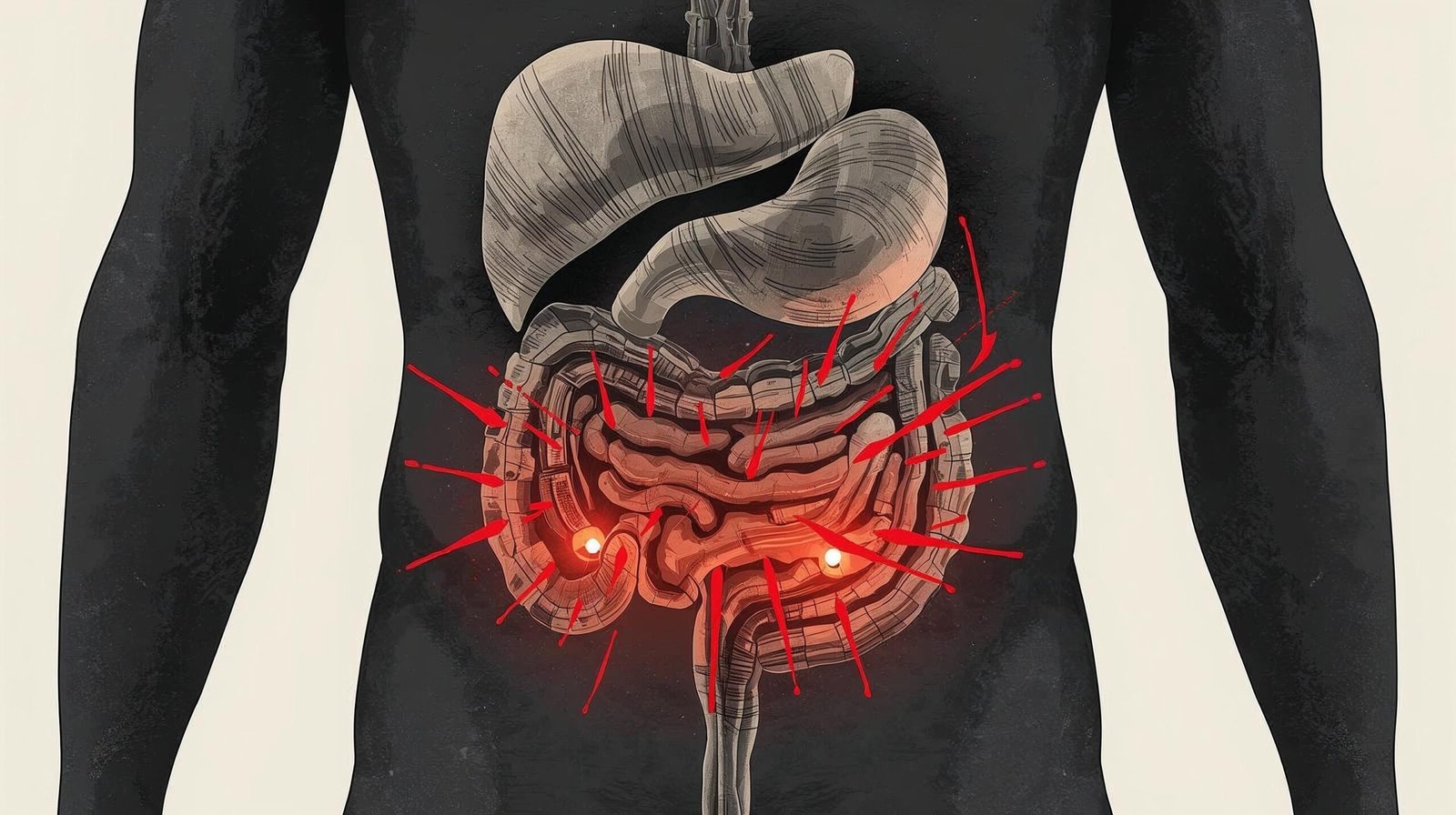
Fiber menace contends that many cases of irritable bowel syndrome, diverticulosis, and inflammatory bowel conditions are aggravated — not alleviated — by high-fibre diets.
The Medical Industry’s Role in the Fibre Narrative
A particularly unsettling aspect of fiber menace is its critique of institutional medicine. Monastryski argues that fibre promotion persists not because it works, but because it is convenient, inexpensive, and profitable.
Pharmaceutical laxatives, fibre supplements, and fortified foods all depend on the fibre narrative. According to fiber menace, once a patient enters the fibre-supplement cycle, dependency and chronic symptoms often follow.
This systemic critique adds depth to the book and invites readers to question not only fibre, but the broader machinery of nutritional advice.
Practical Dietary Guidance in Fiber Menace
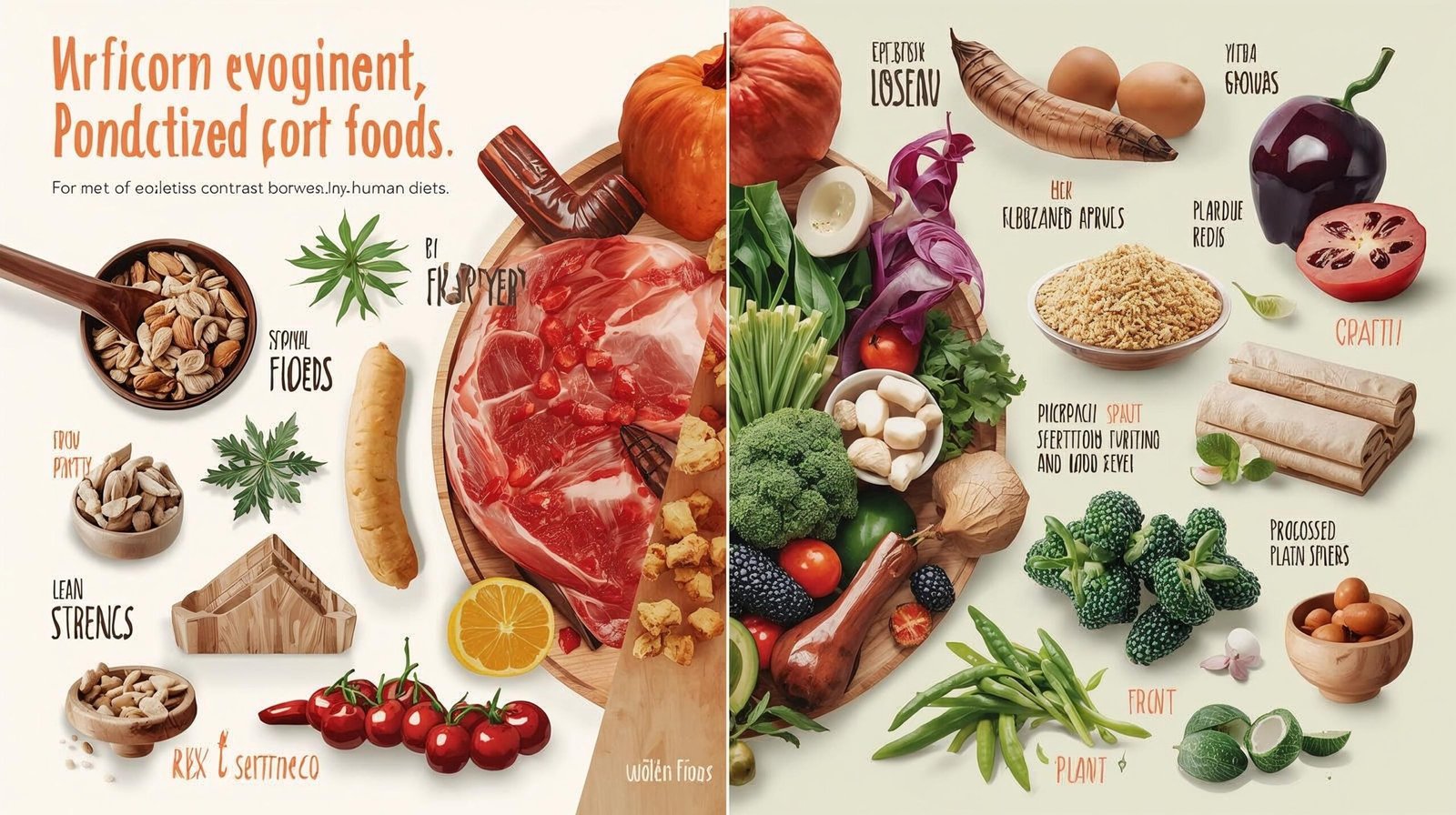
Unlike many polemical books, fiber menace offers clear, actionable guidance. Monastryski advocates a low-residue, fibre-restricted diet, particularly for individuals with digestive disorders.
Recommended foods include:
-
Animal proteins
-
Refined carbohydrates (white rice, peeled potatoes)
-
Fats that digest without residue
Foods discouraged include:
-
Whole grains
-
Bran and fibre supplements
-
Raw vegetables
-
Legumes
The dietary framework in fiber menace prioritises intestinal rest, mechanical simplicity, and digestive efficiency.
Scientific Controversy and Criticism
It must be acknowledged that fiber menace stands outside mainstream nutritional science. Critics argue that Monastryski selectively interprets data and dismisses epidemiological studies linking fibre to reduced disease risk.
However, the book’s value lies in its challenge to unquestioned assumptions. Fiber menace does not demand blind acceptance — it demands critical thinking, experimentation, and personal observation.
Who Should Read Fiber Menace?
Fiber menace is particularly relevant for:
-
Individuals with chronic constipation
-
IBS and digestive disorder sufferers
-
Those frustrated by conventional dietary advice
-
Readers interested in evolutionary nutrition
It is not a casual wellness book. It is a serious, disruptive work that rewards attentive and open-minded readers.
The Psychological Conditioning Behind Dietary Beliefs
One of the most overlooked dimensions of nutritional adherence is psychological conditioning. Human beings are not purely rational consumers of information; they are profoundly shaped by repetition, authority, and social reinforcement. When a dietary concept is taught from childhood, echoed by physicians, reinforced by media, and institutionalised by government policy, it becomes immune to scrutiny.
Many individuals follow dietary advice not because it has demonstrably improved their health, but because deviation feels unsafe. The fear of abandoning accepted norms often outweighs the evidence of personal discomfort. This psychological inertia explains why so many people persist with dietary practices that produce bloating, pain, and fatigue, while dismissing alternative explanations.
Breaking free from this conditioning requires intellectual courage and experiential honesty. It demands that individuals trust their own physiological responses rather than abstract guidelines. This process is uncomfortable, but it is essential for genuine self-directed health.
Digestive Health as a Mechanical Process
Modern nutrition often frames digestion as a biochemical event alone, ignoring its mechanical nature. The gastrointestinal tract is not merely a site of nutrient extraction; it is a muscular system designed for rhythmic contraction, propulsion, and evacuation.
When dietary residue accumulates beyond the capacity of these muscles, function deteriorates. Excess volume stretches intestinal walls, disrupts nerve signalling, and weakens coordinated movement. Over time, this mechanical stress leads to dependency on stimulants, laxatives, and increasingly aggressive interventions.
Understanding digestion as a physical process restores common sense to dietary choices. Foods that digest cleanly and leave minimal residue allow the system to operate efficiently, reducing strain rather than amplifying it.
Cultural Differences in Digestive Disorders
An examination of global dietary patterns reveals striking contrasts in digestive health. Populations consuming simple, low-residue diets often report fewer chronic gastrointestinal complaints than those following modern, plant-heavy regimens.
Traditional cuisines in East Asia, parts of Europe, and indigenous cultures historically prioritised refined starches, animal products, and cooked foods. These diets emphasised digestibility over bulk. Chronic bloating, irritable bowels, and inflammatory intestinal diseases were comparatively rare until the introduction of industrial food ideology.
This cultural lens challenges the assumption that contemporary dietary recommendations represent progress. In many cases, modern interventions have replaced time-tested practices with unproven theories.
The Commercialisation of Digestive Solutions
Digestive discomfort has become a lucrative industry. Supplements, powders, fortified foods, and pharmaceutical aids promise relief while perpetuating the very conditions they claim to address.
Once individuals experience persistent discomfort, they are encouraged to add more products rather than question the underlying cause. This cycle benefits manufacturers but traps consumers in a loop of dependency and frustration.
True digestive restoration rarely requires more complexity. In many cases, simplification — fewer ingredients, fewer additives, and fewer indigestible components — produces far greater relief than supplementation ever could.
The Role of Cooking and Food Preparation
Food preparation methods significantly influence digestibility. Raw consumption, excessive roughage, and incomplete cooking place unnecessary strain on the gastrointestinal system.
Historically, humans cooked extensively not only for safety but for ease of digestion. Heat breaks down structural compounds, softens tissue, and reduces mechanical resistance. The modern glorification of raw consumption ignores these evolutionary advantages.
Gentle cooking, peeling, refining, and portion control are not signs of nutritional inferiority; they are expressions of digestive wisdom refined over generations.
Individual Variability and Digestive Capacity
No single dietary model suits every individual. Digestive strength varies widely based on genetics, age, stress levels, prior illness, and cumulative damage. A diet tolerated by one person may be debilitating to another.
Rigid dietary prescriptions fail because they ignore this variability. A truly humane approach to nutrition respects individual capacity rather than enforcing ideological conformity.
Listening to bodily feedback — energy levels, comfort, regularity, and clarity of thought — provides far more reliable guidance than external rules. Health improves not through obedience, but through adaptation.
The Problem with Nutritional Absolutism
One of the most damaging tendencies in modern wellness culture is absolutism. Foods are labelled universally “good” or “bad,” and dissenting experiences are dismissed as anomalies.
This mindset discourages experimentation and punishes deviation. Individuals who fail to thrive are often blamed for improper adherence rather than reassessing the underlying recommendation.
Nutritional humility — the recognition that human biology is complex and imperfectly understood — is essential. Progress emerges from questioning, not dogma.
Restoring Digestive Confidence
Chronic digestive distress erodes confidence. Individuals begin to fear meals, avoid social gatherings, and structure their lives around bathroom access. This psychological burden is often more damaging than the physical symptoms themselves.
Restoration begins when digestion becomes predictable, calm, and unobtrusive. When meals no longer provoke anxiety, quality of life improves dramatically. This outcome is achieved not through constant intervention, but through reducing the sources of irritation.
Digestive health should feel boring. When the system functions properly, it fades into the background of daily life.

Why Simplicity Often Outperforms Complexity
Modern nutrition glorifies diversity, abundance, and constant novelty. Yet the digestive system thrives on consistency. Repeated exposure to familiar, easily processed foods allows the body to optimise enzyme production and muscular coordination.
Frequent dietary experimentation, exotic combinations, and excessive variety disrupt this adaptation. Simplicity enables stability, and stability enables healing.
A limited but nourishing dietary framework often produces better results than elaborate plans filled with contradictory goals.
Long-Term Health Versus Short-Term Ideology
Dietary ideologies often promise long-term protection at the expense of present comfort. Individuals are encouraged to tolerate daily distress in exchange for hypothetical future benefits.
This trade-off deserves scrutiny. Health is not an abstract concept measured decades later; it is lived daily through energy, clarity, and physical ease.
A dietary approach that compromises daily function in pursuit of speculative outcomes should be questioned, not revered.
Encouraging Personal Experimentation
The most responsible approach to nutrition empowers individuals to test, observe, and adjust. No book, authority, or institution can substitute for lived experience.
Short-term trials, careful observation, and honest assessment provide clearer answers than adherence to theory. When symptoms improve, the body has spoken. When they worsen, persistence becomes self-harm disguised as discipline.
Health is not obedience. It is responsiveness.
A Broader Lesson Beyond Nutrition
The principles explored in this work extend beyond food. They illustrate how unquestioned assumptions persist across medicine, education, and public policy.
Progress depends on individuals willing to ask uncomfortable questions and tolerate criticism. While conformity offers safety, it rarely produces truth.
Books that challenge consensus perform a vital societal function, even when they provoke discomfort. Without dissent, stagnation becomes inevitable.
The Importance of Medical Humility in Dietary Advice
One of the most valuable qualities in healthcare, yet one of the rarest, is humility. Medical science evolves through revision, not certainty. Many recommendations once considered indisputable have later been abandoned or radically revised. Nutrition, in particular, suffers from overconfidence despite its limited capacity for controlled experimentation.
When dietary guidance is delivered as absolute truth rather than provisional understanding, patients bear the consequences. Symptoms that persist are often attributed to non-compliance rather than flawed assumptions. This dynamic erodes trust and discourages honest dialogue between individuals and professionals.
A more responsible model recognises uncertainty and encourages shared decision-making. Instead of enforcing rigid prescriptions, clinicians can guide individuals toward informed experimentation, careful monitoring, and personalised adjustment. Such an approach respects biological diversity and acknowledges that statistical averages do not define individual outcomes.
This perspective does not reject science; it refines it. Progress depends on acknowledging gaps in knowledge and remaining open to revision when real-world evidence contradicts expectation. In the realm of digestion and metabolic health, humility may prove more therapeutic than confidence.
Ultimately, the goal of dietary guidance should not be ideological consistency, but tangible improvement in quality of life. When advice aligns with lived experience, trust is restored and health becomes a collaborative pursuit rather than a directive imposed from above.

Final Reflection
Digestive health is not a moral achievement, nor is it a measure of virtue. It is a mechanical and biological reality shaped by choices, habits, and tolerance.
When discomfort becomes normalised, it is time to reassess the beliefs that produced it. Genuine wellness begins when ideology yields to observation and simplicity replaces excess.
Readers willing to think independently will find value not only in challenging nutritional narratives, but in reclaiming authority over their own bodies and experiences.
For further analytical reviews, evidence-based critiques, and intellectually rigorous health writing, continue exploring content at shubhanshuinsights.com, where questions are welcomed and assumptions are examined rather than accepted.
FAQs About Fiber Menace
1. What is the main message of Fiber Menace?
The core message of fiber menace is that dietary fibre is unnecessary and often harmful to digestive health.
2. Is Fiber Menace supported by science?
Fiber menace relies on physiological reasoning, clinical observation, and evolutionary arguments rather than population studies.
3. Does Fiber Menace recommend eliminating fibre completely?
The book advocates drastic fibre reduction, especially for those with digestive issues.
4. Is Fiber Menace suitable for everyone?
Healthy individuals may tolerate fibre better, but fiber menace urges caution rather than universal consumption.
5. Why is Fiber Menace controversial?
It directly contradicts decades of nutritional advice promoted by medical institutions and governments.
Conclusion: A Necessary Provocation in Modern Nutrition
Fiber menace is not comfortable reading — nor should it be. Konstantin Monastryski has written a book that exposes the fragility of nutritional consensus and forces readers to confront uncomfortable truths about digestion, health, and institutional authority.
Whether one agrees entirely or partially, fiber menace performs an invaluable service by reopening a debate long considered settled. In a world drowning in dietary dogma, such intellectual courage is rare.
For readers who value evidence over slogans and experience over ideology, fiber menace is a book that deserves serious attention.
For more deeply researched book reviews, independent health analysis, and intellectually honest content, visit shubhanshuinsights.com — where popular narratives are examined, not repeated.
True well-being emerges when individuals reclaim responsibility for their own understanding rather than surrendering it to convention. Thoughtful inquiry, patient observation, and disciplined simplicity remain timeless allies of health. In questioning inherited beliefs, one does not reject wisdom, but seeks to refine it through reasoned experience.