Exercise Physiology book Review: A Definitive Scientific Guide to Human Performance
The exercise physiology book titled Exercise Physiology: Nutrition, Energy, & Human Performance represents one of the most authoritative and intellectually rigorous academic works in the field of human performance science. Written by distinguished scholars William D. McArdle, Frank I. Katch, and Victor L. Katch, this monumental text provides a comprehensive understanding of how the human body produces energy, adapts to stress, and achieves optimal performance.
This exercise physiology book stands as a cornerstone for students of sports science, physiotherapy, medicine, and physical education. It explains complex physiological processes with scientific precision and intellectual clarity. Unlike superficial fitness manuals, this exercise physiology book establishes a deep scientific foundation for understanding the biological mechanisms that govern physical activity.
The importance of this exercise physiology book lies in its ability to transform abstract scientific principles into practical knowledge applicable to both academic and professional contexts.
The Scientific Foundation of Energy and Human Movement
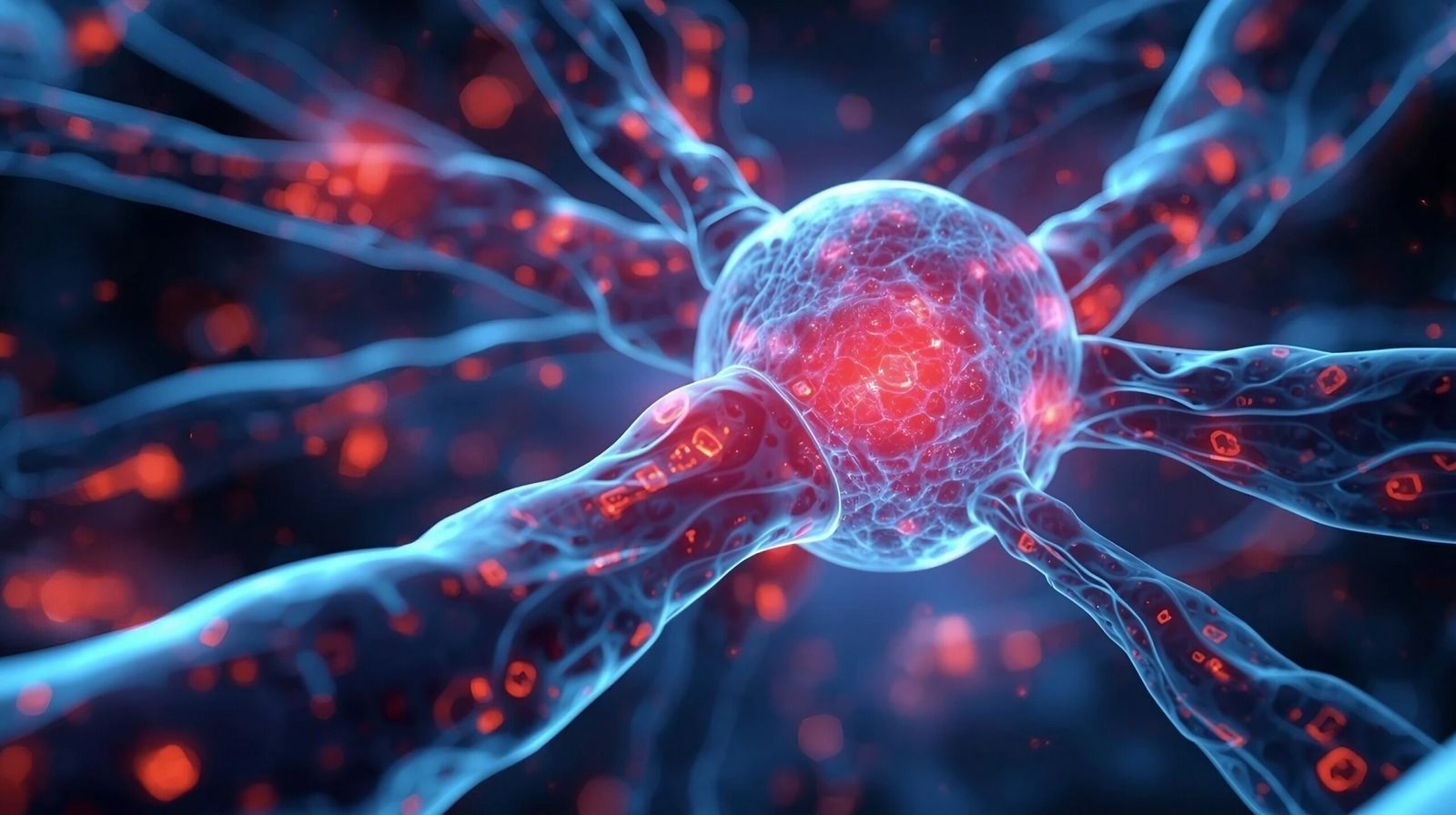
Energy is the fundamental requirement for all biological movement, and this exercise physiology book explains energy production with exceptional depth. The human body depends on chemical energy stored in molecules, primarily ATP, to sustain muscular contraction and physiological function.
The exercise physiology book identifies three essential energy systems:
-
The phosphagen system
-
The glycolytic system
-
The oxidative system
Each system plays a specific role depending on exercise intensity and duration. The exercise physiology book explains that short, explosive movements rely on immediate energy reserves, while prolonged activity depends on oxygen-based metabolism.
This scientific explanation enables readers to understand how energy efficiency determines endurance, strength, and fatigue resistance.
Nutrition as the Biological Fuel of Performance
Nutrition occupies a central role in the exercise physiology book, which emphasises that physical performance is inseparable from nutritional intake. The human body requires macronutrients to sustain metabolic activity and maintain physiological balance.
The exercise physiology book explains the functions of essential nutrients:
-
Carbohydrates serve as the primary energy source
-
Fats provide sustained energy during prolonged activity
-
Proteins support tissue repair and growth
This exercise physiology book also highlights glycogen storage and depletion, explaining why nutritional strategies influence endurance capacity.
Without adequate nutrition, performance declines significantly, and this exercise physiology book presents scientific evidence supporting this conclusion.
Cardiovascular Efficiency and Oxygen Transport
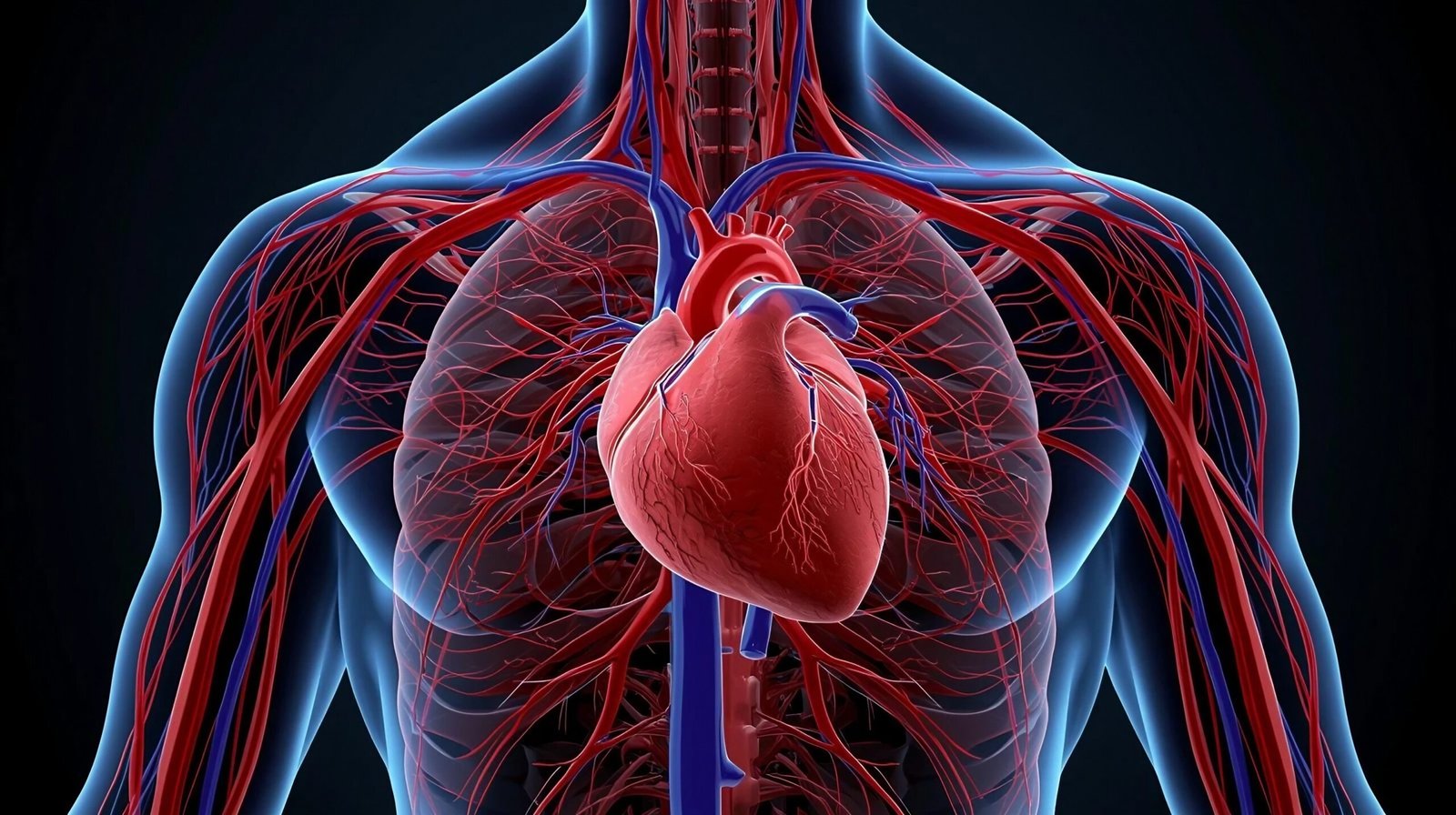
The cardiovascular system plays a vital role in sustaining physical activity, and the exercise physiology book explains how the heart and blood vessels deliver oxygen and nutrients to working muscles.
Regular training produces measurable cardiovascular adaptations. The exercise physiology book explains that these adaptations include increased stroke volume, improved circulation, and enhanced oxygen delivery.
These changes allow individuals to perform physical tasks more efficiently. The exercise physiology book demonstrates that cardiovascular efficiency directly influences endurance and overall performance.
The scientific explanations provided in this exercise physiology book help readers understand the biological basis of endurance training.
Muscular System and Structural Adaptation
Muscles serve as the mechanical engines of movement, and the exercise physiology book provides detailed analysis of muscular structure and function.
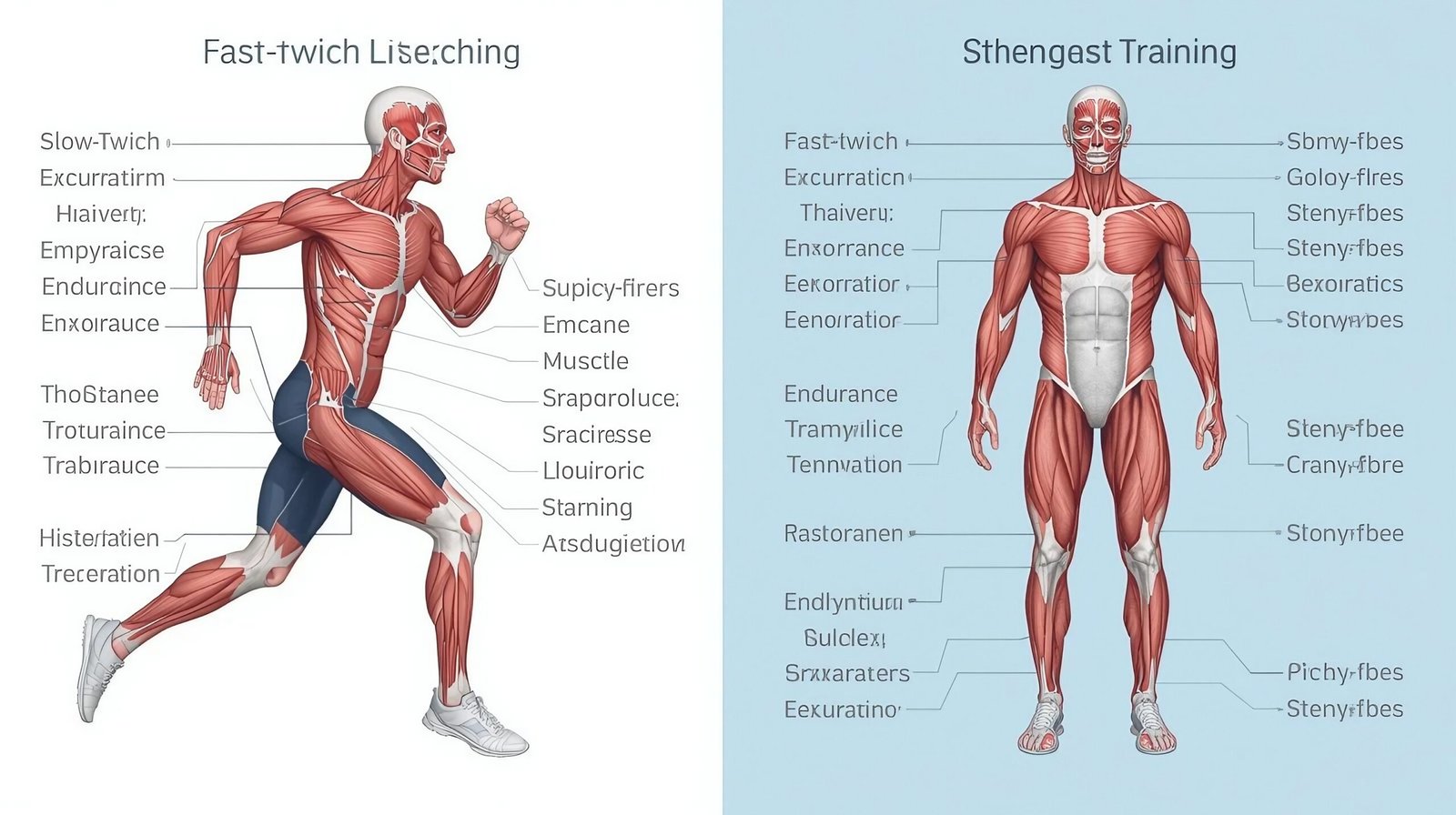
The exercise physiology book explains the difference between slow-twitch and fast-twitch muscle fibres. Slow-twitch fibres support endurance activities, while fast-twitch fibres enable strength and explosive movements.
Training stimulates muscular adaptation, increasing strength, endurance, and efficiency. This exercise physiology book explains that muscle adaptation occurs through physiological changes at the cellular level.
This knowledge enables athletes and students to understand how structured training improves performance.
Oxygen Consumption and Aerobic Capacity
Aerobic capacity represents one of the most important indicators of physical fitness. The exercise physiology book explains VO₂ max as the maximum rate at which the body can utilise oxygen.
Higher aerobic capacity improves endurance performance. The exercise physiology book explains that endurance training increases mitochondrial density and enhances oxygen utilisation.
This scientific understanding enables readers to appreciate the biological determinants of endurance.
The exercise physiology book emphasises that aerobic efficiency represents a measurable and improvable physiological characteristic.
Fatigue and Its Scientific Causes
Fatigue represents a physiological limitation, and the exercise physiology book explains its causes through scientific analysis. Fatigue occurs due to energy depletion, accumulation of metabolic by-products, and nervous system limitations.
The exercise physiology book explains that training improves fatigue resistance by enhancing metabolic efficiency and oxygen delivery.
Understanding fatigue enables individuals to design effective training programmes.
The exercise physiology book replaces misconceptions with scientific clarity.
Adaptation: The Biological Basis of Improvement
Adaptation represents one of the most important concepts explained in the exercise physiology book. The human body responds to stress by becoming stronger and more efficient.
This exercise physiology book explains progressive overload, which stimulates physiological improvement. Recovery allows the body to repair and strengthen itself.
The exercise physiology book demonstrates that consistent training produces measurable biological changes.
This principle forms the foundation of athletic development.
Metabolism and Energy Transformation
Metabolism encompasses all chemical reactions necessary for life. The exercise physiology book explains metabolic pathways that convert nutrients into usable energy.
Understanding metabolism enables readers to appreciate the relationship between nutrition and performance.
The exercise physiology book explains how metabolic efficiency influences endurance, strength, and recovery.
This scientific knowledge is essential for students and professionals.
Thermoregulation and Physiological Stability
Maintaining stable body temperature is essential during physical activity. The exercise physiology book explains thermoregulation mechanisms such as sweating and blood flow adjustments.
These processes protect the body from overheating.
The exercise physiology book emphasises the importance of hydration in maintaining physiological stability.
Understanding thermoregulation enhances safety and performance.
Neurological Control of Human Movement
Movement depends on precise neurological coordination. The exercise physiology book explains motor unit recruitment and neural adaptation.
Neurological efficiency improves with training.
The exercise physiology book demonstrates that coordination and efficiency develop through repeated practice.
This knowledge enhances training effectiveness.
Hormonal Influence on Performance
Hormones regulate physiological adaptation, and the exercise physiology book explains their role in performance.
Hormones influence muscle growth, metabolism, and recovery.
The exercise physiology book explains how hormonal regulation affects physical development.
This scientific understanding enables informed training strategies.
Health Benefits of Exercise
Exercise improves health and longevity. The exercise physiology book presents scientific evidence supporting the benefits of physical activity.
Exercise reduces disease risk and improves physiological efficiency.
The exercise physiology book demonstrates that exercise promotes long-term health.
This reinforces the importance of physical activity.
Academic Importance for Students and Professionals
The exercise physiology book serves as an essential academic resource. It provides foundational knowledge for students of sports science and medicine.
This exercise physiology book enhances academic understanding and professional competence.
Its scientific depth ensures intellectual development.
Practical Application in Training and Performance
The exercise physiology book enables practical application of scientific principles.
Readers can design effective training programmes based on physiological knowledge.
The exercise physiology book bridges theory and practice.
This makes it valuable for athletes and professionals.
Strengths of the exercise physiology book
The exercise physiology book offers exceptional scientific credibility.
Its strengths include:
Scientific accuracy
Comprehensive coverage
Academic reliability
This exercise physiology book represents intellectual excellence.
Limitations of the exercise physiology book
The exercise physiology book requires careful reading due to its scientific depth.
However, this complexity reflects its academic value.
17 Astonishing Scientific Lessons
-
Energy drives performance
-
Oxygen determines endurance
-
Nutrition fuels activity
-
Muscles adapt scientifically
-
Training improves efficiency
-
Recovery enhances adaptation
-
Metabolism governs energy
-
Fatigue has physiological causes
-
Hormones influence performance
-
Exercise improves longevity
-
Oxygen transport determines endurance
-
Training strengthens the heart
-
Neural adaptation improves coordination
-
Hydration supports stability
-
Glycogen fuels endurance
-
Scientific training improves results
-
Human performance follows biological laws
Historical Evolution of Exercise Physiology as a Scientific Discipline
The scientific study of exercise physiology did not emerge suddenly; it developed gradually through centuries of observation, experimentation, and intellectual curiosity. Early civilisations recognised that physical activity improved strength, endurance, and general wellbeing, but they lacked the scientific tools to explain these phenomena. Ancient Greek physicians, particularly Hippocrates, observed that exercise contributed to health, yet their explanations remained largely philosophical rather than empirical.
The modern scientific foundation of exercise physiology began to take shape during the nineteenth century, when researchers started measuring oxygen consumption, muscle function, and metabolic activity. These early investigations established that the human body operates according to measurable physiological principles. Scientists discovered that muscles require oxygen to sustain prolonged activity and that energy production depends upon biochemical reactions.
The twentieth century witnessed rapid advancement in laboratory technology, enabling precise measurement of physiological variables such as heart rate, blood lactate concentration, and oxygen utilisation. These technological developments allowed scientists to understand exercise at the cellular and molecular levels. As a result, exercise physiology evolved into a respected academic discipline with direct applications in medicine, sports performance, and rehabilitation.
Today, exercise physiology stands as one of the most important scientific fields influencing public health, athletic performance, and clinical treatment.
The Role of Mitochondria in Energy Production
One of the most profound scientific discoveries explained in the textbook is the role of mitochondria in energy production. Mitochondria are microscopic structures located within muscle cells, often referred to as the “powerhouses of the cell.” These organelles generate energy through aerobic metabolism, converting nutrients into usable energy.
Regular physical training increases both the number and efficiency of mitochondria. This adaptation improves endurance capacity, allowing individuals to sustain physical activity for longer periods. Increased mitochondrial density enhances oxygen utilisation and delays the onset of fatigue.
This cellular adaptation explains why trained athletes possess superior endurance compared to untrained individuals. Their muscles are capable of producing energy more efficiently, enabling sustained performance under demanding conditions.
Understanding mitochondrial adaptation provides valuable insight into the biological mechanisms responsible for improved physical performance.
Capillary Development and Oxygen Delivery
Another critical adaptation resulting from regular physical training involves the development of capillaries. Capillaries are small blood vessels that deliver oxygen and nutrients directly to muscle tissue. Increased capillary density enhances the efficiency of oxygen delivery, improving muscular endurance and metabolic efficiency.
Training stimulates the formation of new capillaries, a process known as capillarisation. This adaptation ensures that muscle cells receive adequate oxygen during prolonged physical activity. Improved capillary networks also facilitate the removal of metabolic waste products, reducing fatigue and improving recovery.
This physiological adaptation demonstrates the remarkable ability of the human body to improve its internal infrastructure in response to physical stress.
Lactate Production and Its Misunderstood Role
For many years, lactate was incorrectly viewed as a harmful waste product responsible for muscular fatigue. Modern scientific research has corrected this misconception. Lactate is not merely a waste product; it serves as an important intermediate energy source.
During intense exercise, when oxygen availability becomes limited, the body produces lactate as part of anaerobic metabolism. This process allows energy production to continue even under oxygen-deficient conditions.
Lactate can later be converted back into usable energy by the liver and other tissues. This recycling process enhances overall metabolic efficiency.
Understanding lactate metabolism enables athletes and trainers to design effective training programmes that improve tolerance to high-intensity exercise.
Recovery as an Essential Component of Performance
Recovery represents one of the most important yet often neglected aspects of physical training. Scientific evidence demonstrates that physiological improvement occurs during recovery, not during exercise itself.
Exercise creates microscopic damage within muscle tissue. Recovery allows the body to repair this damage, resulting in stronger and more resilient muscles. This process is known as supercompensation.
Adequate rest also restores energy reserves, balances hormones, and repairs cellular structures. Without sufficient recovery, performance declines and injury risk increases.
Scientific understanding of recovery emphasises the importance of balanced training programmes that incorporate appropriate rest periods.
Age and Physiological Adaptation
Age influences physiological capacity, yet scientific evidence demonstrates that individuals of all ages benefit from regular physical activity. Although maximal capacity declines gradually with age, training significantly slows this decline.
Older individuals who maintain regular physical activity preserve muscle strength, cardiovascular efficiency, and metabolic health. Exercise improves quality of life, enhances mobility, and reduces disease risk.
These findings demonstrate that physiological adaptation remains possible throughout life.
Gender Differences and Physiological Performance
Scientific research has identified physiological differences between males and females that influence performance characteristics. These differences include variations in muscle mass, haemoglobin concentration, and hormonal regulation.
Despite these differences, both genders respond positively to structured training. Women demonstrate significant improvements in strength, endurance, and metabolic efficiency through regular physical activity.
Understanding gender-specific physiology enables more effective and personalised training programmes.
Environmental Influences on Physical Performance
Environmental conditions significantly influence physiological function. Temperature, altitude, and humidity affect oxygen availability, thermoregulation, and metabolic efficiency.
High-altitude environments present reduced oxygen availability, challenging the body’s ability to sustain aerobic activity. However, the body adapts by increasing red blood cell production, improving oxygen transport.
Heat exposure stimulates thermoregulatory adaptation, improving the body’s ability to regulate temperature through sweating and blood circulation.
These adaptations demonstrate the remarkable flexibility of human physiology.
Scientific Measurement and Performance Evaluation
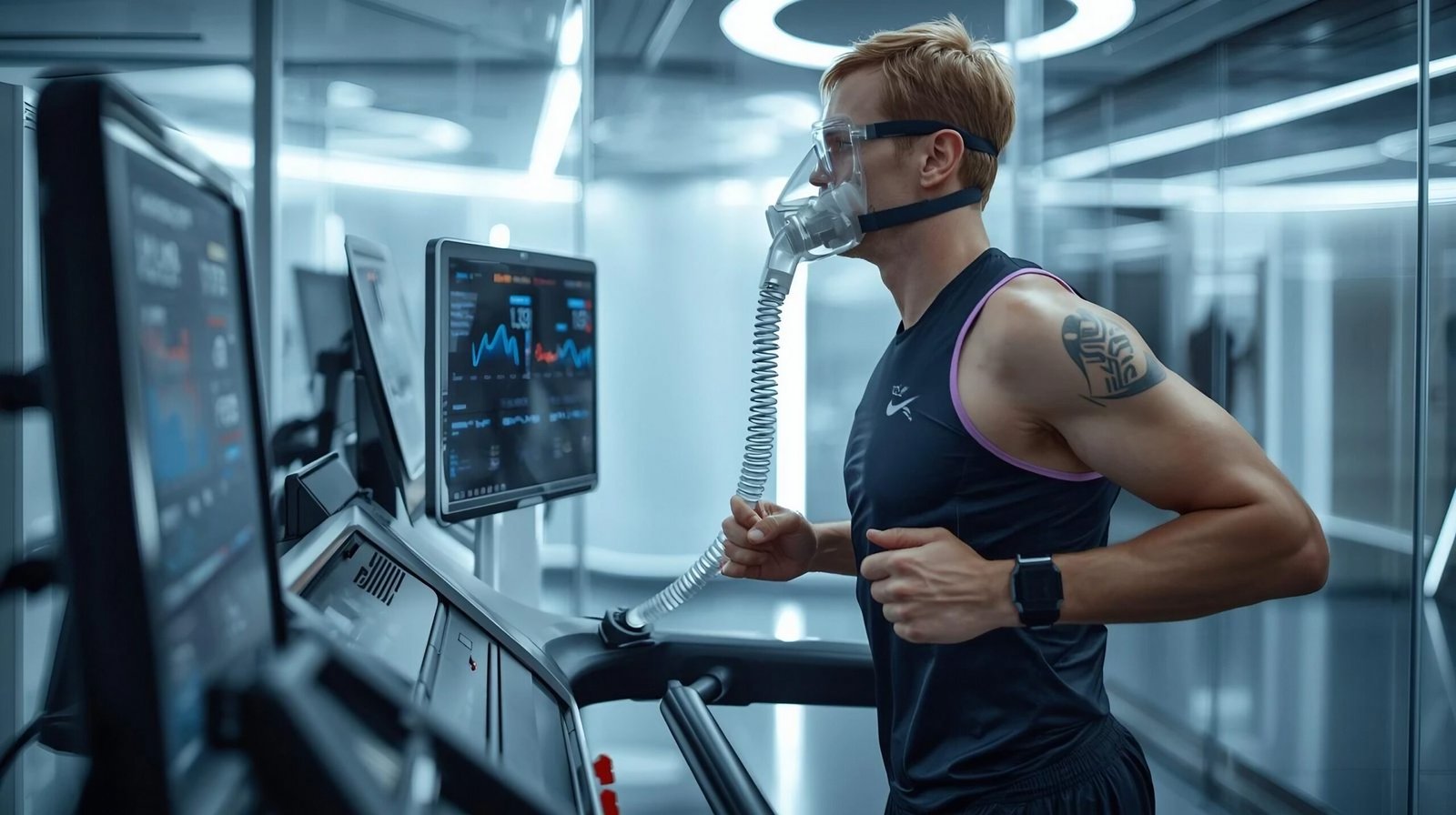
Modern exercise physiology relies heavily on objective measurement. Scientists use specialised equipment to evaluate physiological variables such as oxygen consumption, heart rate, and metabolic efficiency.
These measurements provide valuable insight into physical fitness and performance capacity. Objective data enables accurate assessment of training effectiveness and physiological adaptation.
Scientific measurement ensures precision and reliability in performance evaluation.
Exercise as Preventive Medicine
One of the most important scientific conclusions presented in this academic work is that regular physical activity functions as preventive medicine. Exercise reduces the risk of numerous chronic diseases, including cardiovascular disease, diabetes, and obesity.
Physical activity improves metabolic efficiency, strengthens the cardiovascular system, and enhances immune function. These benefits contribute to increased longevity and improved quality of life.
Scientific evidence confirms that regular exercise represents one of the most effective strategies for maintaining long-term health.
Intellectual Value for Academic and Professional Development
This textbook provides exceptional intellectual value for students and professionals. It strengthens scientific reasoning, analytical thinking, and academic competence.
Students gain a deep understanding of biological principles governing human performance. Professionals benefit from evidence-based knowledge applicable to training, rehabilitation, and healthcare.
This intellectual foundation enhances both academic success and professional excellence.
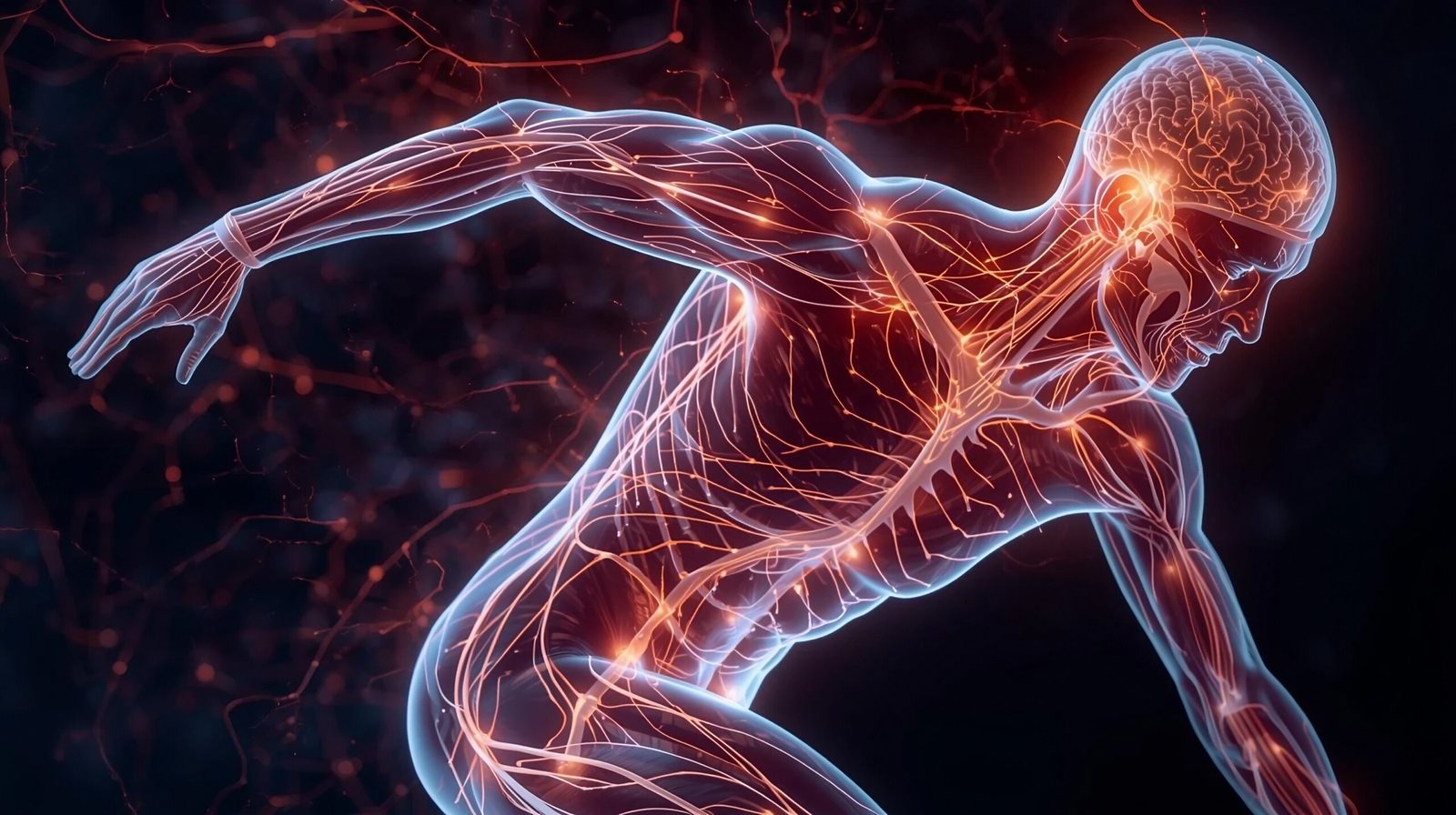
The Future of Exercise Physiology
Scientific research continues to expand understanding of human physiology. Advances in molecular biology, genetics, and medical technology provide new insights into performance optimisation and disease prevention.
Future discoveries will further enhance understanding of physiological adaptation, enabling more effective training methods and medical treatments.
Exercise physiology will continue to play a vital role in improving human health and performance.
FAQs
What makes this exercise physiology book important?
This exercise physiology book provides scientific explanations of human performance, making it essential for academic and professional learning.
Who should read this exercise physiology book?
Students, athletes, physiotherapists, and fitness professionals benefit greatly from this exercise physiology book.
Is this exercise physiology book suitable for beginners?
Yes, although readers must approach it with patience due to its scientific depth.
Does this exercise physiology book improve training knowledge?
Yes, it provides scientific principles necessary for effective training.
Why is this exercise physiology book widely respected?
Its scientific accuracy and comprehensive coverage make it an authoritative academic resource.
Conclusion: A Transformational Scientific Masterpiece
The exercise physiology book represents one of the most important scientific works ever written on human performance. It provides deep insight into physiology, nutrition, and adaptation.
This exercise physiology book transforms intellectual understanding and practical knowledge.
It replaces myths with scientific truth.
It empowers readers with knowledge that enhances performance and health.
Final Words from shubhanshuinsights.com
At shubhanshuinsights.com, we strongly recommend this extraordinary scientific work to every serious student and professional. This exercise physiology book represents more than academic knowledge—it represents intellectual empowerment.
It strengthens understanding.
It builds scientific thinking.
It unlocks human potential.
Few books possess the power to transform knowledge and perspective so profoundly.