Deskbound: Standing Up to a Sitting World by Dr. Kelly Starrett – A Definitive Review
The modern world is deskbound. Offices, laptops, smartphones, and remote work have engineered an environment where sitting has become the dominant human posture. In Deskbound: Standing Up to a Sitting World, Dr. Kelly Starrett delivers a bold, uncomfortable, and ultimately empowering message: our bodies are breaking not because we are weak, but because we are seated.
This book is not a casual wellness read. Deskbound is a clinically informed, movement-based manifesto that challenges conventional ergonomics and exposes the biological cost of sedentary living. Dr. Starrett, a renowned physical therapist and performance coach, dismantles the myth that sitting is harmless and replaces it with actionable strategies rooted in human biomechanics.
For readers who feel stiff, fatigued, or chronically uncomfortable despite “doing everything right,” Deskbound provides clarity, urgency, and a practical path forward.

The Central Argument of Deskbound
At its core, Deskbound argues that the human body was never designed for prolonged sitting. When sitting becomes habitual, movement quality deteriorates, tissues adapt poorly, and pain emerges as a predictable outcome rather than an anomaly.
Dr. Starrett positions deskbound living as a silent epidemic. He explains that hips lose extension, the spine stiffens, shoulders collapse forward, and breathing becomes shallow. Over time, these adaptations manifest as back pain, neck tension, knee problems, plantar fasciitis, and even compromised metabolic health.
Unlike generic posture advice, Deskbound frames these issues as systemic movement failures, not isolated aches.
Why Sitting Is the New Smoking
One of the most powerful sections of Deskbound draws parallels between prolonged sitting and smoking. The comparison is not rhetorical; it is physiological. Extended sitting reduces blood flow, impairs glucose regulation, and diminishes joint lubrication.
The deskbound body adapts to inactivity with alarming efficiency. Muscles shorten, fascia thickens, and joints lose their full range of motion. Dr. Starrett explains that even regular exercise cannot fully undo the damage if the remaining hours of the day are spent seated.
This insight reframes health entirely: movement quality throughout the day matters more than isolated workouts.
The Myth of “Perfect Ergonomics”
A particularly refreshing aspect of Deskbound is its critique of traditional office ergonomics. Adjustable chairs, lumbar supports, and expensive desks are not dismissed outright, but Dr. Starrett argues they offer false reassurance.
No chair, regardless of design, can make prolonged sitting safe.
The deskbound lifestyle cannot be fixed by equipment alone. True ergonomic health, according to the book, emerges from frequent movement, positional variability, and restoring natural joint mechanics.
Standing desks, floor sitting, and dynamic postures are presented not as trends, but as partial solutions within a larger movement strategy.
Mobility as Medicine
Where Deskbound truly excels is in its practical application. The book introduces mobility not as flexibility training, but as joint maintenance.
Dr. Starrett provides step-by-step mobility prescriptions targeting:
-
Hips and hip flexors
-
Thoracic spine
-
Ankles and feet
-
Shoulders and wrists
-
Cervical spine
Each intervention is designed to reverse deskbound adaptations and restore tissues to their intended function. The tone is clinical yet accessible, making the routines suitable for office workers, athletes, and older adults alike.
The Role of Fascia in Deskbound Dysfunction
A lesser-known but crucial component of Deskbound is its emphasis on fascia. Dr. Starrett explains how fascia responds to immobility by becoming dense and restrictive.
In a deskbound system, fascia loses elasticity, reducing force transmission and increasing injury risk. The book’s mobility work targets fascial hydration and remodeling, offering relief that stretching alone cannot provide.
This perspective elevates Deskbound beyond standard posture manuals.
Standing Is Not Enough
Contrary to popular belief, simply standing more does not solve the problem. Dr. Starrett is explicit: static standing can be just as problematic as static sitting.
The solution is movement variability. Shifting positions, walking frequently, squatting, hinging, and loading tissues appropriately throughout the day are the real antidotes to a deskbound existence.
This nuance makes the book intellectually honest and practically valuable.
Breathing, Bracing, and the Deskbound Core
Another standout element of Deskbound is its discussion of breathing mechanics. Sitting compresses the diaphragm, alters rib positioning, and compromises core stability.
Dr. Starrett demonstrates how dysfunctional breathing reinforces deskbound posture, leading to spinal instability and chronic tension. Restoring proper breathing patterns becomes a foundational intervention, not an optional add-on.
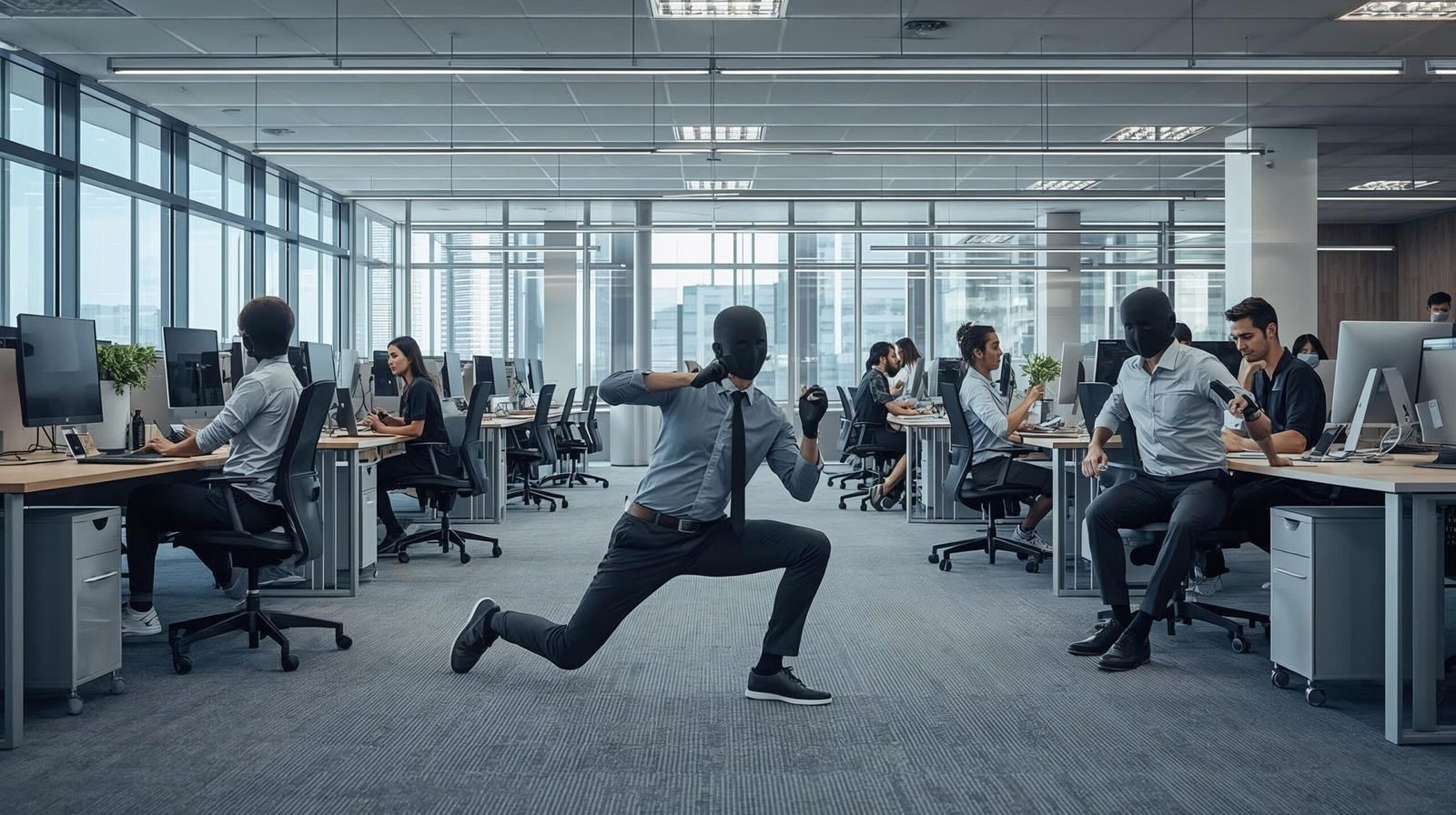
Deskbound and Athletic Performance
Athletes are not immune. In fact, Deskbound argues that highly trained individuals may be at greater risk because they layer intense training onto dysfunctional movement patterns.
A deskbound athlete may squat heavy, run fast, and lift often—yet still suffer pain due to poor tissue quality and restricted joints. The book bridges rehabilitation and performance, making it equally relevant for coaches and serious trainees.
The Psychological Cost of Being Deskbound
While primarily biomechanical, Deskbound also acknowledges the psychological consequences of immobility. Reduced movement correlates with lower energy, diminished focus, and increased stress.
Movement, according to Dr. Starrett, is not merely physical—it is neurological and emotional nourishment. Escaping a deskbound routine can dramatically improve mental clarity and resilience.
Who Should Read Deskbound?
This book is essential for:
-
Office professionals
-
Remote workers
-
Students
-
Coaches and trainers
-
Physiotherapists
-
Anyone experiencing chronic stiffness or pain
If you consider yourself deskbound, this book is not optional reading—it is corrective education.
Strengths of Deskbound
-
Evidence-based yet practical
-
Clear visual explanations
-
Actionable mobility protocols
-
Honest critique of modern work culture
-
Long-term sustainability focus
Limitations to Consider
While exceptional, Deskbound assumes a willingness to take responsibility for one’s movement habits. Readers seeking passive solutions may find the book demanding. The mobility work requires consistency and attention.
However, this is less a flaw and more an honest reflection of reality.
The Evolutionary Mismatch Between Modern Work and Human Design
Human physiology evolved in environments that demanded constant low-level movement. Walking, squatting, reaching, carrying, and changing postures were not exercises; they were survival necessities. The modern occupational environment has severed this relationship. Work is now performed in static positions for prolonged durations, often under artificial lighting and cognitive stress.
This mismatch between biological design and daily behaviour produces predictable consequences. Joints are deprived of movement variability, muscles remain chronically shortened or lengthened, and neural pathways governing posture become inefficient. Over time, the body adapts not toward resilience, but toward restriction.
Dr. Kelly Starrett’s work is grounded in this evolutionary reality. His message is not nostalgic but corrective: modern humans must consciously reintroduce movement that was once automatic.
Joint Centration and Why It Matters
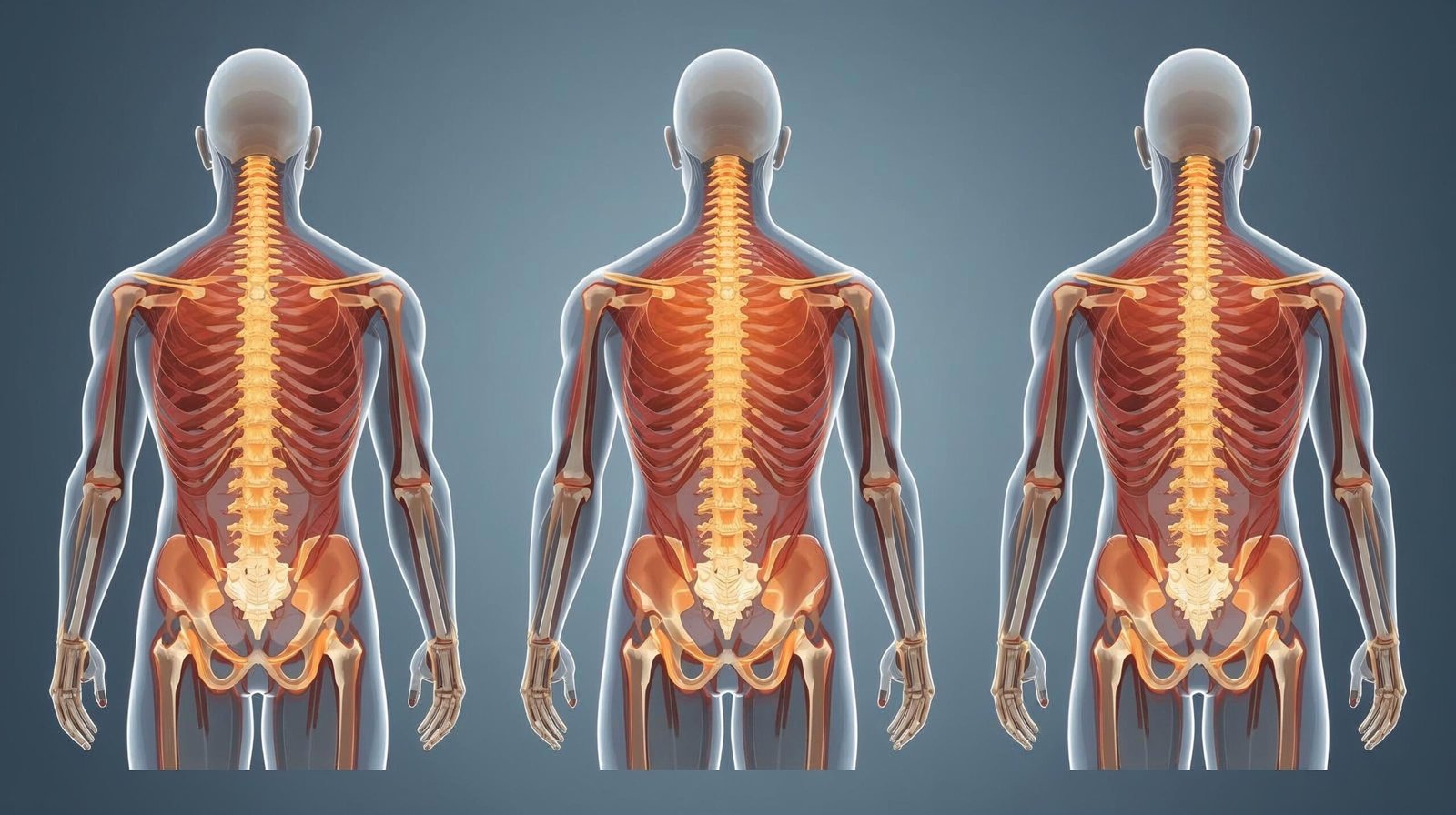
A major biomechanical principle underpinning the book is joint centration—the idea that joints function best when their articulating surfaces are optimally aligned. When joints drift away from this centred position, force is no longer distributed evenly across cartilage and connective tissue.
Prolonged static postures encourage joint decentration. Hips migrate forward, shoulders roll inward, and the cervical spine shifts into sustained flexion. These positional faults compromise load-bearing capacity and accelerate wear.
Restoring joint centration is not about forcing posture, but about reclaiming range of motion and motor control. The mobility interventions outlined in the book are designed to re-centre joints by improving tissue quality and neuromuscular coordination.
Why Pain Is a Lagging Indicator
One of the most clinically valuable insights presented is that pain is often a delayed signal. Tissue degradation and movement dysfunction can exist for years before symptoms become noticeable. When discomfort finally emerges, the underlying problem has usually been present for a long time.
This explains why many individuals are confused by sudden pain despite no obvious injury. The body has simply reached its tolerance threshold. By the time pain appears, compensatory strategies are deeply ingrained.
The book reframes pain not as an enemy, but as information—an invitation to reassess movement habits before structural damage becomes irreversible.
The Myth of “Good Posture”
Conventional advice often promotes a single ideal posture to be held throughout the day. This concept is fundamentally flawed. No posture, regardless of alignment, is healthy when sustained without variation.
The spine thrives on motion. Flexion, extension, rotation, and lateral bending are all essential for disc nutrition and neural health. Static alignment, even when aesthetically pleasing, deprives spinal tissues of this nourishment.
Rather than chasing perfection, the book advocates for frequent positional changes. Movement is not something reserved for breaks; it should be woven continuously into daily life.
Work Culture and the Normalisation of Discomfort
Modern work culture has normalised discomfort to an alarming degree. Neck stiffness, back pain, wrist irritation, and headaches are often treated as unavoidable consequences of professional life. This resignation is both inaccurate and harmful.
The book challenges this cultural acceptance. Discomfort is not the price of productivity; it is a sign of poor environmental and behavioural design. When pain becomes common, it is not because bodies are fragile, but because systems are misaligned.
This perspective empowers individuals to question workplace norms and advocate for healthier practices without guilt.
Loading the Body Intelligently
Another crucial theme is the importance of appropriate loading. Human tissues require load to remain healthy. Bones lose density, tendons weaken, and muscles atrophy when load is absent or poorly distributed.
However, loading must occur through functional ranges of motion. Repetitive loading in compromised positions reinforces dysfunction rather than resilience. This is why many individuals experience pain despite regular exercise.
The book encourages restoring movement capacity first, then layering strength gradually. This sequence respects tissue adaptation timelines and reduces injury risk.
The Role of the Feet in Whole-Body Health
Feet are often overlooked in discussions of posture and movement. Yet they serve as the foundation of the kinetic chain. Restricted ankle mobility and poor foot mechanics influence knee alignment, hip function, and spinal posture.
The book devotes meaningful attention to restoring foot strength and ankle range. Simple interventions such as barefoot standing, controlled dorsiflexion work, and varied terrain exposure can have profound effects on overall movement quality.
By addressing the body from the ground up, the approach remains comprehensive rather than fragmented.

Technology, Attention, and Movement Degradation
Beyond physical positioning, technology influences how attention is directed. Prolonged screen use narrows visual focus and reduces head movement. This sensory deprivation contributes to stiffness and neurological fatigue.
The book subtly highlights the importance of visual and vestibular input. Turning the head, changing gaze depth, and orienting the body in space are essential for maintaining spatial awareness and balance.
Movement, therefore, is not merely mechanical; it is sensory and cognitive. Reintroducing variety improves not only posture but also mental acuity.
Ageing Is Not the Primary Culprit
A common misconception is that stiffness and pain are inevitable consequences of ageing. The book decisively refutes this narrative. While tissue properties do change over time, the majority of mobility loss is behavioural rather than chronological.
Individuals who maintain movement diversity often retain remarkable joint function well into later decades of life. Conversely, younger individuals with restricted habits frequently present with severe limitations.
This reframing is hopeful. It places agency back in the hands of the individual rather than attributing decline to fate.
Consistency Over Intensity
The interventions promoted are intentionally simple. Short, frequent mobility practices performed daily outperform sporadic intense sessions. This aligns with how tissues adapt: gradually, predictably, and cumulatively.
The book discourages extremes. Sustainable change occurs through consistency, not willpower-driven bursts of effort. This philosophy makes long-term adherence realistic for busy professionals.
Integrating Movement Into Real Life
Importantly, the book does not demand radical lifestyle overhauls. It acknowledges real-world constraints and focuses on integration rather than isolation. Movement can be incorporated into meetings, breaks, commuting, and leisure activities.
This pragmatic approach prevents the common trap of separating “health time” from “work time.” The body does not recognise such distinctions.
Why This Book Endures
Years after its publication, the book remains relevant because the problem it addresses has intensified. Remote work, digital communication, and automation have further reduced incidental movement.
Rather than offering temporary trends, the book provides principles that remain applicable regardless of technological change. Its emphasis on human design ensures longevity.
Movement as a Cultural Responsibility
Physical well-being is often framed as an individual concern, yet movement health is increasingly a collective issue. When entire populations adopt static working patterns, the burden shifts to healthcare systems, employers, and families. Reduced mobility contributes to absenteeism, decreased productivity, and rising long-term medical costs.
Workplaces that encourage positional variation, walking discussions, and flexible environments do more than support comfort—they invest in longevity and cognitive clarity. Schools and universities also play a crucial role by shaping habits early, either reinforcing restriction or cultivating adaptability.
The book implicitly challenges institutions to rethink how spaces are designed and how time is structured. Environments should invite motion rather than suppress it. Small architectural and policy changes can profoundly influence behaviour without relying on constant self-discipline.
Ultimately, restoring movement is not merely a personal optimisation strategy; it is a cultural recalibration. Societies that respect the body’s need for motion create conditions where health becomes sustainable rather than fragile. This perspective elevates the discussion beyond posture and pain, positioning movement as a foundational element of human dignity and long-term societal resilience.
A Final Reflective Note
The discomfort experienced by so many is not a personal failure. It is the predictable outcome of environments that ignore biological needs. This book serves as both diagnosis and prescription.
At shubhanshuinsights.com, we value works that do more than inform—they restore perspective. This text reminds readers that health is not something to be earned through exhaustion, but something to be preserved through awareness and intelligent action.
Reclaiming movement is not an act of rebellion; it is an act of self-respect.
FAQs
What is the main message of Deskbound?
The book argues that prolonged sitting is fundamentally harmful and that regular movement variability is essential for health.
Is Deskbound suitable for beginners?
Yes. The exercises and explanations are accessible, regardless of fitness level.
Can Deskbound help with chronic back pain?
Many readers report significant relief by addressing movement restrictions and posture.
Is a standing desk enough according to Deskbound?
No. Standing alone does not solve the problem; movement diversity is key.
How long does it take to see results?
Improvements in stiffness and comfort can occur within weeks if mobility work is applied consistently.
Conclusion: Standing Up to a Deskbound Life
Deskbound: Standing Up to a Sitting World is not just a book—it is a wake-up call. Dr. Kelly Starrett exposes the silent damage inflicted by modern living and replaces fear with agency.
Escaping a deskbound existence does not require abandoning work or technology. It requires reclaiming movement as a daily practice and respecting the biological design of the human body.
At shubhanshuinsights.com, we believe books like Deskbound represent more than fitness advice—they are manuals for sustainable human living. If your body feels older than your years, if pain has become normalised, or if energy feels perpetually low, this book deserves a permanent place on your shelf.
Standing up to a sitting world begins with awareness—and Deskbound delivers it with uncompromising clarity.
Investing in daily motion transforms not just the body but the mind, energy, and overall quality of life, creating a foundation for resilience, vitality, and long-term well-being.