Crossing the Chasm Summary: A Definitive Guide to Surviving the Most Dangerous Phase of Innovation
In the unforgiving world of innovation, brilliance alone does not guarantee success. Many revolutionary products collapse not because they lack merit, but because they fail to reach the mass market. This is precisely the problem addressed in this crossing the chasm summary, a timeless exploration of why promising innovations die prematurely and how a select few manage to survive.
Geoffrey A. Moore’s Crossing the Chasm is not merely a business book; it is a diagnostic manual for understanding market psychology. This crossing the chasm summary explains why early success can be misleading, why mainstream customers behave radically differently from early adopters, and why the transition between these groups is often fatal.
Introduction to Crossing the Chasm
First published in 1991, Crossing the Chasm revolutionised the way entrepreneurs, marketers, and strategists understand technology adoption. Moore builds upon Everett Rogers’ Diffusion of Innovations model, but introduces a dangerous gap—the chasm—that most companies underestimate.
This crossing the chasm summary reveals that the journey from early adopters to the early majority is not smooth. Instead, it is marked by fear, skepticism, and resistance. Many companies mistakenly believe momentum will carry them forward, only to encounter sudden stagnation.
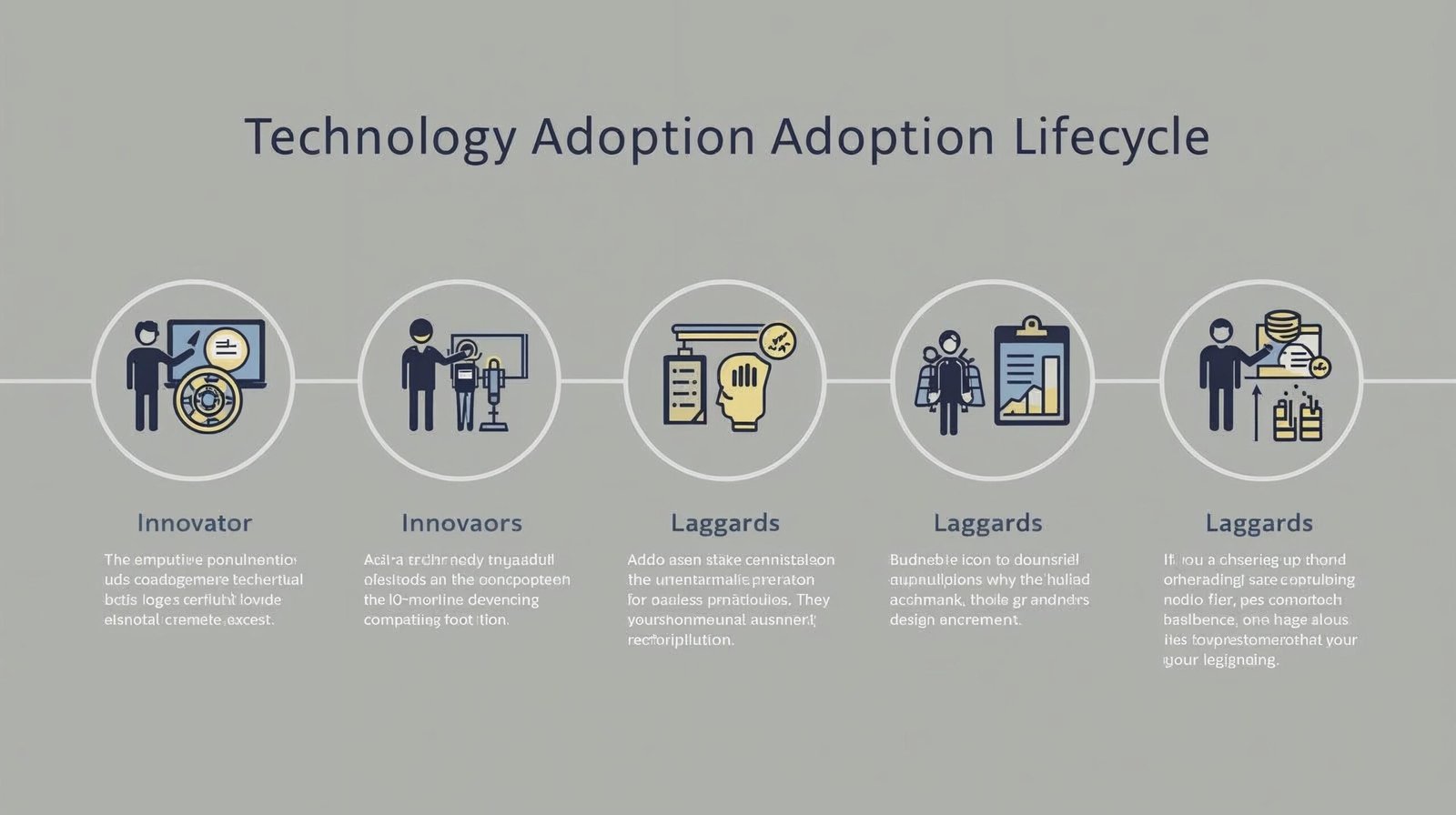
The Technology Adoption Lifecycle Explained
To understand this crossing the chasm summary, one must first grasp the Technology Adoption Lifecycle:
-
Innovators – Technology enthusiasts driven by novelty
-
Early Adopters – Visionaries seeking competitive advantage
-
Early Majority – Pragmatists demanding proven solutions
-
Late Majority – Conservatives resistant to change
-
Laggards – Skeptics adopting only when forced
The chasm exists between early adopters and the early majority—two groups with fundamentally different expectations.
This distinction is the cornerstone of every crossing the chasm summary, because failure to recognise it leads to catastrophic misalignment of marketing, sales, and product strategy.
Why the Chasm Is So Dangerous
Early adopters are forgiving. They tolerate incomplete products and embrace risk. The early majority, however, demands reliability, references, and complete solutions.
This crossing the chasm summary emphasises that what worked for early adopters will almost certainly fail with pragmatists. Many startups continue speaking the language of vision while their new audience demands evidence.
The result is stalled growth, wasted capital, and eventual obscurity.
The Core Insight of Crossing the Chasm
The most critical lesson in this crossing the chasm summary is that companies must change their entire go-to-market strategy before attempting to scale.
Moore argues that firms must:
-
Focus narrowly on a single niche market
-
Establish dominance in that niche
-
Use success there as a reference point for expansion
Trying to appeal to everyone results in appealing to no one.
The Bowling Alley Strategy
One of the most memorable concepts in this crossing the chasm summary is the Bowling Alley Strategy.
Instead of aiming for the entire market at once, companies should knock down one “pin” (niche) at a time. Each successful niche creates momentum and credibility for the next.
This disciplined approach contrasts sharply with the reckless expansion strategies that doom many startups.
Whole Product Concept
The crossing the chasm summary would be incomplete without discussing the Whole Product.
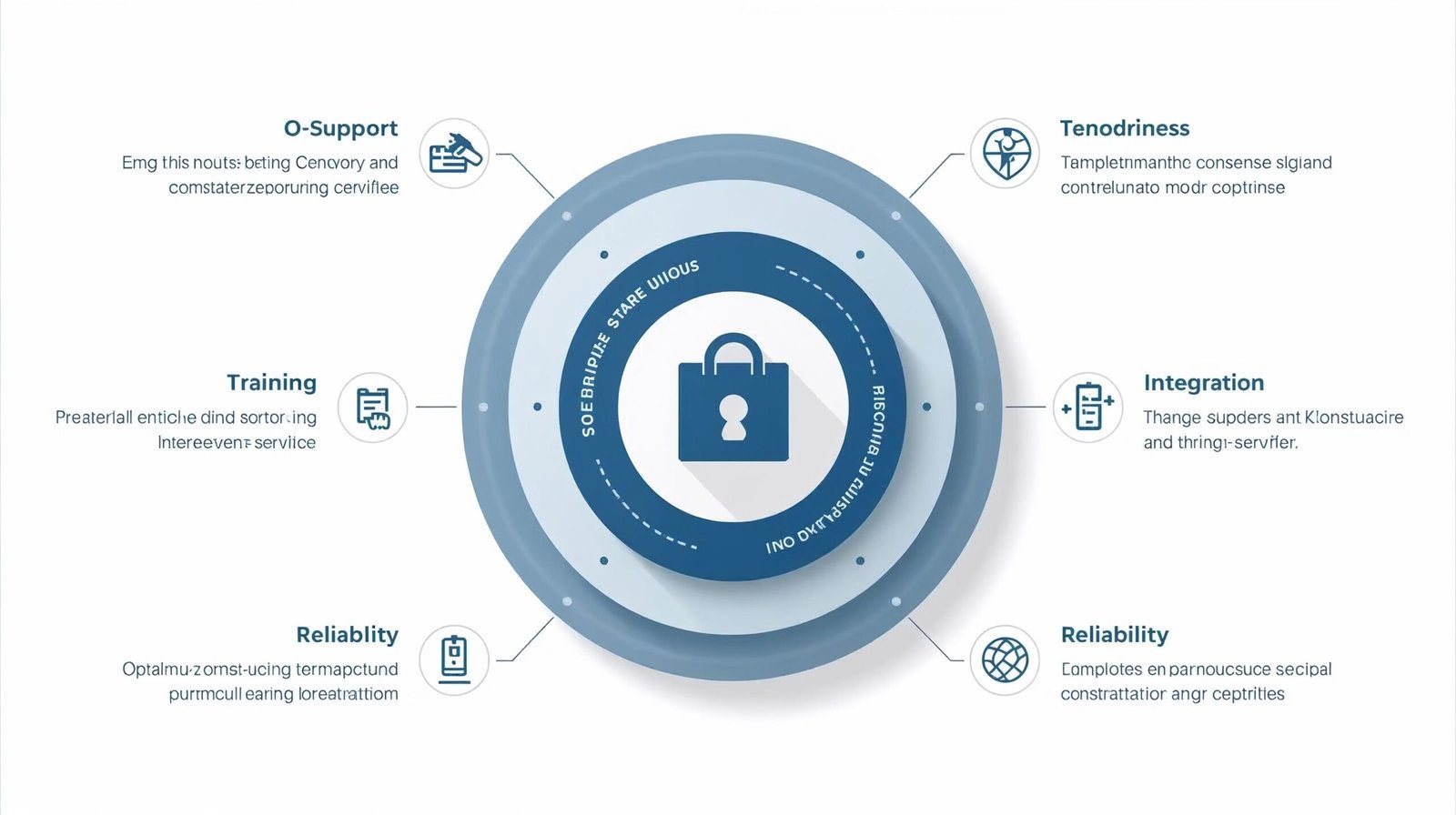
Pragmatic customers do not buy core technology; they buy complete solutions. This includes:
-
Installation
-
Training
-
Customer support
-
Compatibility
-
Reliability guarantees
Companies that fail to deliver the whole product are rejected, regardless of how innovative their core offering may be.
Positioning: Owning a Category
In this crossing the chasm summary, Moore stresses the importance of clear positioning.
Customers must instantly understand:
-
Who the product is for
-
What problem it solves
-
Why it is superior
Vague messaging creates confusion, and confusion kills adoption.

Competitive Reality in the Mainstream Market
Early adopters celebrate differentiation. The early majority compares alternatives.
This crossing the chasm summary highlights that competition intensifies dramatically once mainstream adoption begins. Companies must prepare for price pressure, standardisation, and aggressive rivals.
Those who cling to early-stage thinking often fail to adapt.
Why Most Startups Fail at Crossing the Chasm
According to this crossing the chasm summary, startups fail because they:
-
Overestimate early success
-
Ignore pragmatic customer needs
-
Expand prematurely
-
Neglect references and credibility
Failure is rarely sudden. It is gradual, silent, and devastating.
Why Crossing the Chasm Still Matters Today
Despite being decades old, the ideas in this crossing the chasm summary remain strikingly relevant.
From SaaS platforms to AI tools, the same adoption dynamics apply. Technology evolves, but human psychology does not.
Modern founders who ignore Moore’s lessons repeat the same costly mistakes.
Key Lessons from Crossing the Chasm
This crossing the chasm summary offers several enduring lessons:
-
Innovation must be matched with execution
-
Focus beats ambition
-
Credibility precedes scale
-
Pragmatists fund the future
Understanding these principles can mean the difference between dominance and disappearance.
Who Should Read Crossing the Chasm?
This crossing the chasm summary is especially relevant for:
-
Startup founders
-
Product managers
-
Growth marketers
-
Venture capitalists
-
Technology strategists
Anyone responsible for scaling innovation will find Moore’s insights indispensable.
The Psychological Divide Between Visionaries and Pragmatists
One of the most underappreciated contributions of Geoffrey A. Moore lies in his analysis of human psychology. Beyond charts and market segments, Crossing the Chasm is fundamentally a study of belief systems. This section deepens the understanding already established in the earlier crossing the chasm summary by examining how mindset differences shape buying behaviour.
Visionaries—early adopters—are motivated by possibility. They are attracted to future advantage, strategic disruption, and bold promises. Pragmatists, on the other hand, are motivated by risk minimisation. They want certainty, social proof, and reassurance that their decision will not jeopardise their professional standing.
This psychological divide explains why visionary-driven success stories often fail to persuade mainstream customers. The language of revolution excites innovators but alarms pragmatists. Moore’s insistence on reframing messaging is therefore not cosmetic; it is existential.
Reference Customers: The Hidden Currency of Trust
A vital extension to the earlier crossing the chasm summary is Moore’s emphasis on reference customers. In mainstream markets, reputation is not built through advertising but through demonstrated success.
Pragmatic buyers seek reassurance from peers. They want to know whether others like them have adopted the solution—and survived. Without credible references, even technically superior products struggle to gain traction.
This is why Moore advocates concentrated market entry. Dominating a single niche produces a cluster of reference customers who collectively validate the product’s legitimacy. These references then become a strategic asset, far more powerful than promotional claims.

Pricing Strategy After the Chasm
Pricing is another area where many companies falter. During the early market phase, pricing is often flexible and negotiable. Early adopters may pay premium prices in exchange for early access and influence.
However, once a company attempts to move beyond this phase, pricing expectations shift dramatically. The mainstream market expects consistency, fairness, and justification. This subtle but critical transition is often overlooked.
Moore cautions against both underpricing and overpricing. Underpricing erodes perceived value, while overpricing increases resistance. The correct approach, as implied throughout this crossing the chasm summary, is to align pricing with perceived risk reduction and delivered outcomes rather than technological novelty.
Distribution Channels and Market Credibility
Distribution plays a decisive role in crossing into the mainstream. Visionaries are willing to buy directly from vendors, even if processes are informal. Pragmatists prefer established channels that signal stability.
This section expands the crossing the chasm summary by highlighting that partnerships, resellers, and integrators are not merely sales mechanisms—they are trust amplifiers. An established distribution partner lends legitimacy to an emerging product.
Companies that fail to adapt their distribution strategy often appear immature or unreliable, regardless of their technological sophistication.
Marketing Communication: From Vision to Validation
Early-stage marketing often focuses on what could be. Mainstream marketing must focus on what is.
Moore stresses that claims must be substantiated, language must be concrete, and benefits must be measurable. Case studies replace manifestos. Testimonials replace aspirations.
This shift, frequently underestimated, reinforces the broader argument of this crossing the chasm summary: success requires transformation, not continuity. Companies unwilling to abandon visionary rhetoric often stall indefinitely at the edge of the chasm.
Organisational Alignment and Internal Conflict
Crossing the chasm is not only a market challenge but an internal one. Sales teams, product developers, and executives often operate under conflicting assumptions.
Visionary founders may resist standardisation, fearing loss of originality. Sales teams may struggle to adjust from bespoke deals to repeatable processes. Product teams may resist freezing features to ensure stability.
Moore implicitly argues that leadership must impose discipline. Internal alignment is not optional; it is a prerequisite. The absence of such alignment is a recurring theme in failed attempts described throughout this crossing the chasm summary.
The Role of Leadership in Chasm Crossing
Leadership during this phase demands restraint rather than exuberance. Instead of chasing multiple opportunities, leaders must say no repeatedly. Instead of celebrating innovation, they must prioritise reliability.
This leadership style is often counterintuitive for founders accustomed to rapid experimentation. Yet Moore’s framework makes it clear that maturity—not creativity—determines survival at this stage.
The most successful leaders recognise that crossing the chasm is not about accelerating growth but about stabilising it.
Lessons for Modern SaaS and AI Companies
Although Crossing the Chasm predates cloud computing and artificial intelligence, its principles apply with remarkable precision. SaaS and AI startups frequently experience explosive early interest, followed by perplexing stagnation.
The reason is identical: early excitement does not equate to mainstream acceptance. Enterprises demand compliance, security, integrations, and long-term support.
This modern application reinforces the relevance of the crossing the chasm summary, proving that Moore’s framework transcends technological eras.
Why Speed Can Be a Liability
A counterintuitive insight worth emphasising is that speed can harm chasm-crossing efforts. Rapid expansion without reference credibility magnifies risk perception.
Moore implicitly warns against scaling prematurely. Growth must be sequenced, not rushed. The temptation to capitalise on momentum often leads to dilution of focus.
This reinforces a central warning embedded within this crossing the chasm summary: momentum is fragile unless anchored in trust.
Measuring Success Beyond Revenue
Revenue alone is a misleading indicator during this phase. Moore suggests evaluating success through alternative metrics: customer satisfaction, renewal rates, reference willingness, and operational consistency.
These indicators reveal whether a company is truly transitioning into the mainstream or merely extracting residual value from early adopters.
Such diagnostic thinking elevates Crossing the Chasm beyond conventional business literature and cements its strategic depth.
Strategic Patience: The Ultimate Advantage
Perhaps the most enduring lesson is the value of patience. Companies that successfully cross the chasm do so deliberately. They resist hype, ignore distractions, and invest in foundations.
This discipline is rare, which is why successful transitions are rare.
The wisdom contained in this crossing the chasm summary ultimately challenges modern entrepreneurial culture, which often glorifies speed over stability.
Final Reflection on Market Survival
The chasm is not an anomaly; it is a structural feature of innovation markets. Pretending otherwise invites failure.
Geoffrey A. Moore does not offer guarantees—only clarity. His framework does not eliminate risk, but it makes risk intelligible.
In a business world obsessed with disruption, Crossing the Chasm stands as a sobering reminder that endurance, not excitement, defines success.
Strategic Timing and Market Readiness
One of the most subtle yet decisive factors in innovation success is timing. Many ventures fail not because their ideas lack merit, but because the market is not ready to receive them. Geoffrey A. Moore indirectly highlights that being “too early” can be as fatal as being wrong. Customers must not only recognise a problem but also feel an urgency to solve it. Without this readiness, even compelling solutions struggle to gain adoption.
Understanding market maturity allows firms to align product development, messaging, and investment cycles with customer expectations. Companies that attempt to educate the market and sell simultaneously often exhaust resources before demand materialises. Strategic patience, therefore, becomes a competitive advantage rather than a weakness.
Risk Perception in Organisational Buying
In mainstream markets, purchasing decisions are rarely individual acts of bravery. They are collective judgements shaped by committees, policies, and accountability structures. Decision-makers are often rewarded for avoiding failure rather than pursuing bold innovation. This reality reshapes how products must be presented.
Reducing perceived risk becomes more important than highlighting potential upside. Guarantees, pilot programmes, service-level agreements, and conservative implementation plans are not obstacles; they are enablers. Firms that understand this shift are better positioned to earn institutional trust and long-term contracts.
Operational Discipline as a Growth Enabler
Operational excellence is frequently dismissed as a late-stage concern. Moore’s framework reveals the opposite. Stable processes, reliable delivery, and predictable outcomes are prerequisites for mainstream acceptance.
Chaos, while tolerated in experimental phases, becomes unacceptable once expectations shift. Customers expect consistency, and inconsistency erodes confidence faster than technical flaws. Companies that invest early in operations, documentation, and customer success teams lay the groundwork for scalable growth.
Long-Term Brand Implications
How a company navigates this transition shapes its brand permanently. Firms that overpromise and underdeliver damage credibility that may never fully recover. Conversely, organisations that understate claims and exceed expectations build reputational capital that compounds over time.
Brand trust is not created through slogans; it is earned through repeated performance. The firms that endure are those that treat trust as a strategic asset rather than a marketing outcome.

Closing Insight
The journey from novelty to necessity is neither glamorous nor linear. It demands humility, restraint, and a willingness to prioritise reliability over recognition. Those who succeed do so quietly, often without fanfare, yet their impact endures long after trends fade.
In the end, sustainable success belongs not to the loudest innovators, but to the most disciplined executors.
Frequently Asked Questions (FAQs)
1. What is the main idea behind Crossing the Chasm?
The core idea explained in this crossing the chasm summary is that startups must radically change strategy to move from early adopters to mainstream customers.
2. Why do most startups fail at crossing the chasm?
They continue using early-stage marketing strategies that do not resonate with pragmatic buyers, as outlined in this crossing the chasm summary.
3. Is Crossing the Chasm still relevant today?
Yes. This crossing the chasm summary proves that technology changes, but adoption behaviour remains consistent.
4. What is the Whole Product concept?
It refers to delivering a complete, end-to-end solution, a critical idea explained in this crossing the chasm summary.
5. Who should read Crossing the Chasm?
Entrepreneurs, product leaders, and anyone scaling technology-based offerings will benefit from the insights in this crossing the chasm summary.
Conclusion: Final Thoughts on Crossing the Chasm
This crossing the chasm summary makes one truth painfully clear: innovation alone is not enough. Survival depends on discipline, focus, and humility.
Geoffrey A. Moore exposes the silent graveyard of failed innovations and offers a practical roadmap for avoiding it. Those who master the chasm do not merely survive—they dominate.
If you are building, scaling, or investing in technology, ignoring these lessons is not optimism—it is recklessness.
For more deeply researched book insights, long-form summaries, and intellectually rigorous analysis, visit
👉 shubhanshuinsights.com
Because ideas matter—but execution decides everything.
Ultimately, disciplined execution, market empathy, and strategic patience determine whether innovation matures into lasting, profitable, and respected enterprise leadership.