Burn the Fat, Feed the Muscle by Tom Venuto: A Complete, No-Nonsense Review
In a fitness industry saturated with miracle pills, deceptive marketing, and short-lived transformations, burn the fat feed the muscle stands apart as a work of uncommon clarity and intellectual honesty. Written by Tom Venuto, a lifelong natural bodybuilder and coach, this book rejects sensationalism and instead champions discipline, education, and consistency. It is not a seductive promise of rapid change but a rigorous blueprint for permanent physical transformation.
At its core, Burn the Fat, Feed the Muscle is not merely about aesthetics. It is about understanding the human body, respecting physiological laws, and developing a mindset that values progress over shortcuts. Venuto’s philosophy is built upon immutable scientific principles rather than fashionable trends, which explains why the book continues to resonate decades after its publication.

Who Is Tom Venuto?
Tom Venuto is a natural bodybuilder, fitness writer, and transformation coach with over three decades of experience. Unlike many self-proclaimed fitness gurus, Venuto’s credentials rest on consistent results achieved without steroids, extreme deprivation, or pseudoscience. His authority lends credibility to burn the fat feed the muscle, which is grounded in practical application as much as theoretical understanding.
Venuto does not position himself as a magician. Instead, he assumes the role of a teacher, guiding readers through the mechanics of fat loss and muscle retention with clarity and precision.
The Central Philosophy of Burn the Fat, Feed the Muscle
The guiding principle of burn the fat feed the muscle is deceptively simple: fat loss and muscle preservation must occur simultaneously through intelligent nutrition, structured training, and psychological discipline. Venuto rejects the false dichotomy that one must choose between being lean or muscular. According to him, both outcomes are achievable when the body is treated with respect rather than abused.
This philosophy dismantles several entrenched myths, including starvation dieting, excessive cardio, and reliance on supplements. Venuto asserts that the body responds predictably when given the right signals through food and exercise.
Nutrition: The Science of Eating With Purpose
One of the strongest sections of burn the fat feed the muscle is its detailed treatment of nutrition. Venuto emphasises that fat loss is fundamentally governed by caloric balance, yet he does not reduce nutrition to mere arithmetic. Food quality, macronutrient ratios, and timing all play decisive roles.
The book advocates a balanced intake of protein, carbohydrates, and fats, tailored to individual metabolism and activity levels. Protein, in particular, is prioritised to preserve lean muscle mass during fat loss. Venuto strongly criticises low-protein crash diets, describing them as self-sabotaging and metabolically destructive.
Crucially, burn the fat feed the muscle promotes sustainability. The dietary framework is designed to be followed indefinitely, not endured temporarily.
Training: Intelligent Work, Not Endless Exhaustion
Venuto’s training philosophy is rooted in efficiency and progression. In burn the fat feed the muscle, resistance training is positioned as non-negotiable. Muscle tissue is metabolically active, and preserving it is essential for long-term fat loss.
The book outlines structured weight-training programmes that prioritise compound movements, progressive overload, and adequate recovery. Cardio is treated as a supplementary tool rather than a punishment for overeating. Venuto warns against excessive endurance training, noting its potential to erode muscle mass and disrupt hormonal balance.
This balanced approach distinguishes burn the fat feed the muscle from programs that glorify exhaustion over effectiveness.
The Psychological Framework: Discipline Over Motivation
Perhaps the most undervalued strength of burn the fat feed the muscle lies in its psychological insights. Venuto draws a sharp distinction between motivation and discipline. Motivation, he argues, is fleeting and unreliable, whereas discipline is cultivated through habit and commitment.
The book encourages readers to adopt a long-term perspective, reframing fitness as a lifestyle rather than a temporary project. Venuto is candid about setbacks, plateaus, and moments of doubt, offering practical strategies to maintain consistency during challenging periods.
In doing so, burn the fat feed the muscle transcends physical training and enters the realm of personal development.
Myth-Busting: Exposing the Fitness Industry’s Deceptions
Venuto dedicates substantial attention to dismantling common fitness myths. Burn the fat feed the muscle critiques fat-burning supplements, detox diets, spot reduction claims, and celebrity-endorsed shortcuts. Venuto’s tone is firm but measured, grounded in evidence rather than outrage.
This critical examination empowers readers to become informed consumers, less susceptible to manipulation by marketing narratives. In an industry built on confusion, clarity becomes a competitive advantage.

Practical Application: From Theory to Action
What makes burn the fat feed the muscle especially valuable is its emphasis on implementation. Venuto provides actionable guidelines for meal planning, workout scheduling, progress tracking, and goal setting. The systems are adaptable, allowing readers to customise them according to lifestyle constraints.
Rather than overwhelming readers with complexity, the book simplifies without diluting. This balance between depth and usability is one of its enduring strengths.
Who Should Read Burn the Fat, Feed the Muscle?
Burn the fat feed the muscle is ideally suited for individuals who are serious about sustainable transformation. It is particularly valuable for those who have failed repeatedly with fad diets or quick-fix programmes.
Beginners will appreciate its foundational education, while experienced trainees will benefit from its structured refinement. However, readers seeking instant gratification may find Venuto’s honesty uncomfortable. This is not a book for those unwilling to work.
Strengths of the Book
The greatest strength of burn the fat feed the muscle lies in its intellectual integrity. Venuto refuses to oversimplify or exaggerate. His respect for scientific principles and human physiology permeates every chapter.
Additionally, the book’s emphasis on personal responsibility is both empowering and sobering. Success is framed not as luck, but as the outcome of consistent effort.
Limitations and Criticisms
While burn the fat feed the muscle is comprehensive, some readers may find its emphasis on tracking calories and macros demanding. The system requires attention to detail, which may feel burdensome to those accustomed to intuitive eating.
Moreover, the book assumes a willingness to learn basic nutritional concepts. Readers seeking entertainment rather than education may struggle with its methodical tone.
Why the Book Remains Relevant Today
Despite evolving fitness trends, the principles of burn the fat feed the muscle remain timeless. Human physiology has not changed, and the laws of energy balance still govern body composition. Venuto’s refusal to chase trends has preserved the book’s relevance.
In an era dominated by social media fitness influencers, this work serves as a sobering reminder that lasting results are built, not purchased.
The Ethical Dimension of Physical Transformation
Beyond physiology and programme design, one of the most understated contributions of Tom Venuto’s work is its ethical stance on self-improvement. Unlike many fitness manuals that commodify insecurity, this book treats transformation as a moral contract between effort and outcome. Venuto does not exploit dissatisfaction; instead, he reframes it as a catalyst for disciplined action.
In this sense, the philosophy behind burn the fat feed the muscle is deeply countercultural. It does not flatter weakness nor excuse inconsistency. The reader is neither shamed nor coddled. Responsibility is placed firmly where it belongs—on behaviour, habits, and daily choices. Such an approach restores dignity to the pursuit of physical excellence, positioning it as an act of self-respect rather than vanity.

The Long-Term Metabolic Perspective
A recurring theme in Venuto’s framework is metabolic preservation. Short-term weight loss achieved through aggressive caloric restriction often leads to metabolic slowdown, muscle loss, and eventual rebound weight gain. Venuto addresses this problem directly by emphasising gradual fat loss while maintaining lean tissue.
This perspective aligns with contemporary research on adaptive thermogenesis, though Venuto articulated these principles long before they became mainstream. By prioritising resistance training and adequate nutrition, the body is encouraged to remain metabolically active rather than defensive. This long-term outlook is particularly valuable for readers who have experienced repeated cycles of dieting failure.
Habit Formation and Environmental Control
One of the book’s subtler strengths is its attention to behavioural environment. Venuto recognises that willpower alone is insufficient when habits are undermined by poor surroundings. Food availability, social influences, work schedules, and stress levels all shape outcomes.
The book encourages proactive environmental control—planning meals in advance, structuring workouts into the calendar, and reducing exposure to trigger foods. This practical realism distinguishes Venuto’s advice from motivational rhetoric that assumes ideal conditions. Progress, he argues, is rarely accidental; it is engineered.
The Role of Data and Self-Monitoring
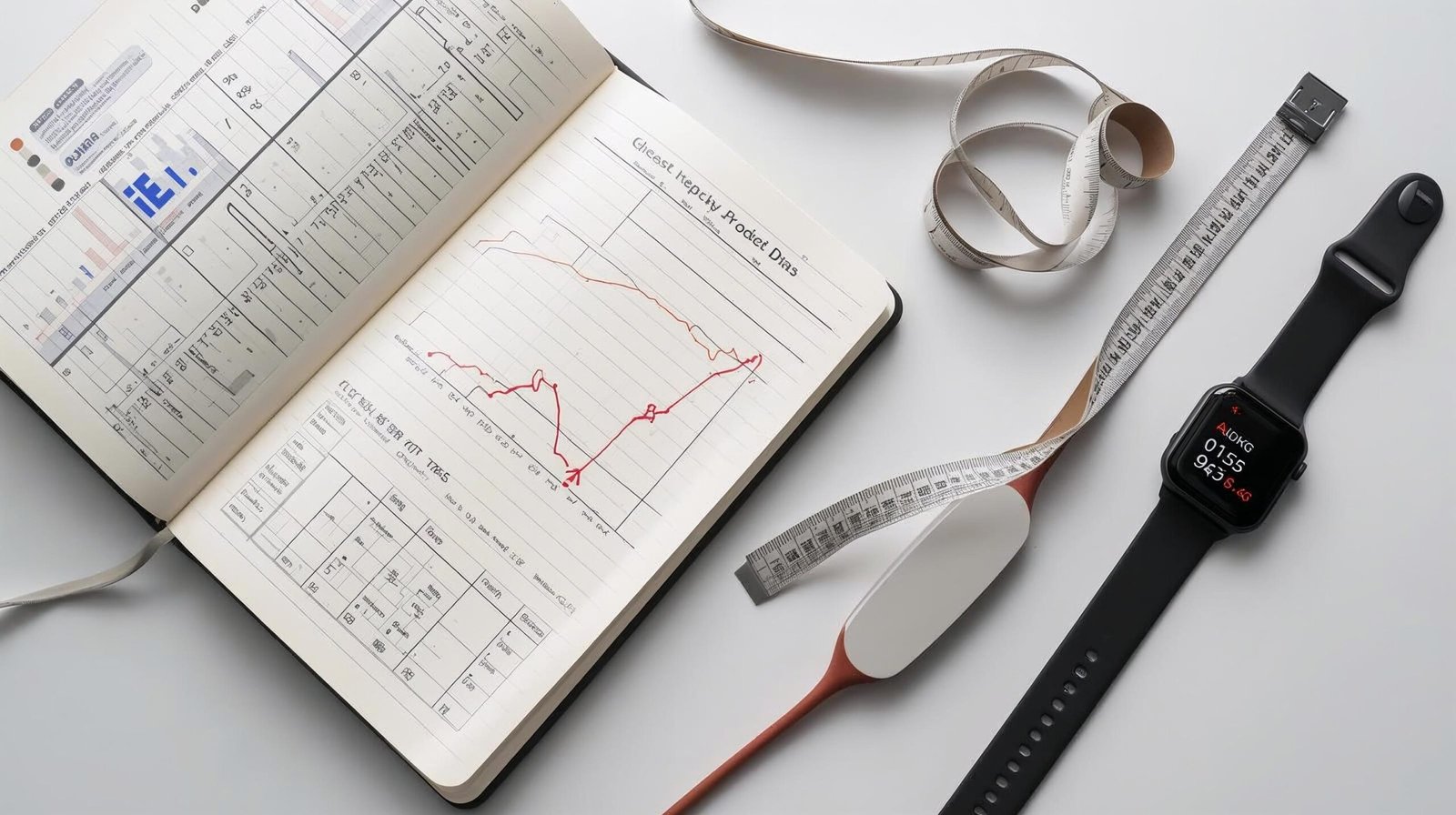
Venuto strongly advocates tracking—not as an obsession, but as a feedback mechanism. Measurements, body composition data, training logs, and nutritional records serve as mirrors that reflect reality without emotional distortion. This emphasis on data reduces reliance on subjective feelings, which are often misleading during fat loss phases.
Importantly, the book teaches readers how to interpret data rather than react impulsively to it. Plateaus are analysed logically, adjustments are made incrementally, and emotional decision-making is discouraged. This rational approach cultivates patience and objectivity, traits essential for long-term success.
Resistance to Cultural Fitness Extremes
The fitness culture oscillates between extremes: severe restriction on one end and indulgent “body positivity” devoid of health accountability on the other. Venuto’s work occupies a rare middle ground. He acknowledges genetic diversity and individual limitations without surrendering to fatalism.
The message is neither “any body is fine regardless of health” nor “only one body type is acceptable.” Instead, it is a call to optimise one’s personal potential within realistic constraints. This balanced stance is increasingly relevant in an era where nuance is often sacrificed for ideological certainty.
Age, Longevity, and Sustainable Strength
Another enduring contribution of the book is its relevance across age groups. Venuto rejects the notion that fat loss and muscle maintenance are exclusive to youth. While acknowledging age-related changes in recovery and hormone levels, he insists that intelligent training and nutrition remain effective well into later decades.
The emphasis on joint-friendly resistance training, adequate protein intake, and recovery aligns closely with modern longevity science. Rather than chasing aesthetic peaks that fade quickly, the framework supports functional strength, metabolic health, and physical independence over the lifespan.
Discipline as a Transferable Skill
One of the most profound implications of Venuto’s philosophy is the transferability of discipline. Readers often report that the habits cultivated through structured training and nutrition spill over into other domains—career, finances, and personal relationships.
This phenomenon is not accidental. The book treats discipline as a muscle that strengthens with use. Small acts of consistency compound into larger behavioural shifts. Over time, identity changes follow behaviour, not the other way around. The body becomes both the canvas and the classroom.
Why This Approach Resists Obsolescence
Trends expire because they are built on novelty rather than truth. Venuto’s principles endure because they are anchored in biological reality. Calories still matter. Muscles still respond to resistance. Habits still govern outcomes. No technological innovation has invalidated these fundamentals.
As wearable devices, AI-generated workout plans, and influencer-driven programmes proliferate, the value of foundational understanding increases. Readers equipped with first principles are less likely to be misled by surface-level sophistication.
Reader Responsibility and Intellectual Honesty
Perhaps the most challenging aspect of the book is its refusal to absolve the reader of responsibility. There is no villain to blame—no single macronutrient, hormone, or conspiracy. While genetics and environment influence outcomes, they do not negate agency.
This intellectual honesty may deter some readers, but it ultimately empowers those willing to engage seriously. The absence of excuses creates space for progress. In this regard, the book functions as both a guide and a filter, rewarding commitment while exposing passivity.
Integration Into Modern Lifestyles
Despite being written before the dominance of remote work, gig economies, and digital distraction, the framework adapts well to modern life. Short, efficient workouts, flexible meal planning, and evidence-based prioritisation make the system viable even under time constraints.
The emphasis on principles rather than rigid rules allows for adaptation without abandonment. Readers are encouraged to adjust variables without violating fundamentals, ensuring continuity rather than collapse when circumstances change.
Consistency as a Form of Personal Integrity
One of the most quietly powerful ideas embedded within Venuto’s philosophy is the notion that consistency reflects personal integrity. Each training session completed as planned, each meal chosen with intention, and each recovery day respected becomes a small act of self-honesty. Over time, these acts accumulate into something far more significant than physical change.
This perspective reframes fitness from an external goal into an internal standard. The question is no longer whether results appear quickly, but whether actions align with stated intentions. Such alignment fosters confidence that extends beyond the gym or the kitchen. It cultivates trust in one’s own word.
In a culture obsessed with instant gratification, this emphasis on integrity is quietly radical. It teaches that progress earned slowly is progress owned fully. When discipline is practiced consistently, outcomes become predictable, and self-respect becomes the most enduring reward of all.

Closing Reflection on Mastery Over Time
Ultimately, Venuto’s work is not about perfection but mastery over time. It accepts imperfection as inevitable while rejecting complacency. Progress is portrayed as cumulative, built through thousands of ordinary decisions executed with uncommon consistency.
For readers seeking not merely to change their appearance but to understand the mechanics of that change, this book offers a rare combination of depth, clarity, and integrity. It does not promise ease, but it delivers understanding—and understanding, once acquired, cannot be taken away.
Frequently Asked Questions (FAQs)
1. Is Burn the Fat, Feed the Muscle suitable for beginners?
Yes. Burn the fat feed the muscle explains foundational concepts clearly, making it accessible to beginners while remaining valuable for advanced trainees.
2. Does the book promote extreme dieting?
No. Burn the fat feed the muscle explicitly rejects extreme diets and promotes sustainable, balanced nutrition.
3. Are supplements necessary according to the book?
Venuto treats supplements as optional, not essential. Burn the fat feed the muscle prioritises whole foods and training consistency.
4. Can women follow the programme outlined in the book?
Absolutely. The principles in burn the fat feed the muscle apply universally, regardless of gender.
5. How long does it take to see results?
Results depend on consistency and adherence. Burn the fat feed the muscle emphasises gradual, measurable progress rather than rapid transformation.
Conclusion: A Manual for Lifelong Transformation
Burn the fat feed the muscle is not a seductive fantasy; it is a disciplined manifesto. Tom Venuto offers readers a rare gift: truth unembellished by marketing theatrics. The book demands effort, patience, and accountability, but it rewards those virtues with sustainable results.
For readers weary of broken promises and fleeting transformations, this work stands as a beacon of rational fitness. It teaches not only how to reshape the body, but how to cultivate resilience, discipline, and self-respect.
If you are prepared to abandon illusions and embrace principles, Burn the Fat, Feed the Muscle may prove to be one of the most transformative books you will ever read.
For more in-depth book reviews and intellectually honest insights on health, fitness, and personal development, visit shubhanshuinsights.com — where clarity triumphs over confusion.
Ultimately, disciplined effort shapes identity, proving that lasting change emerges from patience, clarity, and unwavering commitment to deliberate daily practice.