The Longevity Paradox by Dr. Steven Gundry: A Deep, Evidence-Driven Review
In an era where modern medicine has extended life expectancy yet failed to preserve vitality, the longevity paradox emerges as a provocative and unsettling challenge to everything we believe about health, nutrition, and ageing. Authored by renowned cardiothoracic surgeon Dr. Steven R. Gundry, this book dismantles mainstream dietary advice and replaces it with a radically different blueprint for long-term health and disease resistance.
At its core, the longevity paradox asks an uncomfortable but necessary question: Why are we living longer, yet growing sicker faster? Dr. Gundry argues that chronic inflammation, autoimmune disorders, metabolic disease, and accelerated ageing are not inevitable consequences of time, but outcomes of deeply flawed nutritional practices promoted as “healthy.”
This review explores the philosophy, scientific arguments, and practical strategies outlined in the longevity paradox, offering readers a comprehensive understanding of why this book has sparked both admiration and controversy within the global health community.

Understanding the Central Thesis of The Longevity Paradox
Dr. Gundry’s central assertion in the longevity paradox is deceptively simple yet scientifically disruptive: longevity is not determined by calories, exercise, or genetics alone, but by the health of the gut and the management of inflammation.
He introduces the idea that many foods celebrated as nutritious—whole grains, legumes, certain fruits, and even vegetables—contain lectins, plant defence proteins that can damage the gut lining, trigger immune responses, and accelerate ageing when consumed excessively.
According to the longevity paradox, our ancestors thrived not because they ate more plants indiscriminately, but because they consumed seasonal, properly prepared, and locally adapted foods that minimised inflammatory stress on the body.
Lectins: The Hidden Villains of Modern Diets
One of the most controversial aspects of the longevity paradox is Dr. Gundry’s sustained critique of lectins. Lectins are naturally occurring proteins found in plants, designed to protect them from predators. While small amounts may be tolerable, modern diets expose humans to unprecedented lectin loads.
Dr. Gundry argues that lectins:
-
Increase intestinal permeability (leaky gut)
-
Confuse the immune system
-
Promote systemic inflammation
-
Accelerate ageing at the cellular level
In the longevity paradox, foods such as wheat, corn, beans, lentils, tomatoes, and potatoes are not condemned outright but must be avoided, pressure-cooked, peeled, or deseeded to reduce their harmful impact.
The Gut–Longevity Connection
A foundational pillar of the longevity paradox is the concept that the gut is the true control centre of ageing. Dr. Gundry places extraordinary emphasis on the microbiome—the trillions of bacteria that inhabit the digestive tract.
He asserts that:
-
A diverse microbiome promotes metabolic efficiency
-
Gut bacteria regulate immune responses
-
Healthy microbes influence mitochondrial function
-
Longevity genes are activated through microbial signalling
In the longevity paradox, ageing is reframed not as a linear decline, but as a modifiable biological process, heavily influenced by gut health.
The Myth of “Healthy” Whole Grains
One of the most emotionally jarring revelations in the longevity paradox is the critique of whole grains. Long promoted as heart-healthy staples, whole grains are presented here as evolutionary novelties, incompatible with optimal human biology.
Dr. Gundry contends that:
-
Modern grains are genetically modified hybrids
-
They contain aggressive lectins and gluten variants
-
They spike insulin and promote fat storage
-
They disrupt gut bacteria balance
This contrarian stance places the longevity paradox firmly at odds with conventional dietary guidelines, forcing readers to reconsider deeply ingrained nutritional beliefs.
The Longevity Blueprint: What Dr. Gundry Recommends
Despite its critical tone, the longevity paradox is ultimately a hopeful and practical guide. Dr. Gundry proposes a clear framework for living longer, healthier lives:
1. Embrace Healthy Fats
Extra virgin olive oil, avocado oil, omega-3 rich fish, and nuts are celebrated as anti-inflammatory fuels.
2. Eat Seasonally and Cyclically
Dr. Gundry emphasises that mimicking ancestral eating patterns activates longevity pathways.
3. Prioritise Polyphenols
Polyphenol-rich foods such as dark chocolate, berries, green tea, and red wine support mitochondrial health.
4. Practise Intermittent Fasting
Time-restricted eating is described as a powerful longevity trigger in the longevity paradox.

Longevity Zones and Blue Zone Insights
In the longevity paradox, Dr. Gundry analyses so-called “Blue Zones”—regions where people live significantly longer. He concludes that longevity is less about calorie restriction and more about dietary diversity, low lectin exposure, and microbial richness.
Interestingly, populations consuming traditional diets rich in fermented foods, healthy fats, and seasonal plants demonstrate superior metabolic resilience and reduced inflammatory markers.
Scientific Support and Clinical Experience
What lends the longevity paradox substantial credibility is Dr. Gundry’s extensive clinical experience. Drawing upon decades of surgical practice and patient outcomes, he integrates:
-
Peer-reviewed studies
-
Epidemiological data
-
Biomarker analysis
-
Real-world case studies
While critics argue that some conclusions require broader validation, the longevity paradox undeniably advances the conversation around personalised nutrition and preventive medicine.
Criticisms and Balanced Perspective
It would be intellectually dishonest to review the longevity paradox without acknowledging its critics. Common objections include:
-
Overemphasis on lectins
-
Difficulty in long-term dietary adherence
-
Contradiction of established nutritional guidelines
However, even sceptics concede that the longevity paradox succeeds in challenging complacency and encouraging critical evaluation of dietary dogma.
Who Should Read The Longevity Paradox?
This book is particularly valuable for:
-
Individuals with autoimmune disorders
-
Those struggling with chronic inflammation
-
Readers interested in functional medicine
-
Health-conscious individuals seeking longevity optimisation
For readers willing to question orthodoxy, the longevity paradox offers transformative insights.
The Evolutionary Mismatch Between Modern Diets and Human Biology
One of the most compelling intellectual contributions of Dr. Steven Gundry’s work lies in his explanation of the evolutionary mismatch between modern dietary patterns and ancient human biology. Human physiology evolved over hundreds of thousands of years in response to scarcity, seasonal food availability, and environmental stressors. In contrast, modern societies enjoy uninterrupted access to calorie-dense, chemically altered foods that were never part of the ancestral human experience.
This evolutionary discord has resulted in widespread metabolic confusion. The human immune system, once finely tuned to respond to genuine threats, is now persistently activated by dietary irritants, environmental toxins, and ultra-processed foods. Chronic immune activation, rather than acute infection, has become the dominant pathological force behind most non-communicable diseases.
Dr. Gundry’s arguments encourage readers to reconsider not only what they eat, but why their bodies react adversely to foods labelled as wholesome. This reframing is particularly valuable in understanding conditions such as insulin resistance, autoimmune disorders, and neurodegenerative diseases.

Inflammation as the Silent Accelerator of Ageing
Modern medicine has largely succeeded in treating symptoms, yet it often fails to address the underlying drivers of disease. Among these drivers, chronic inflammation stands as the most destructive and underestimated force in human health. Persistent low-grade inflammation damages blood vessels, accelerates cellular ageing, disrupts hormonal balance, and erodes immune tolerance.
Dr. Gundry positions inflammation not as a singular disease state, but as a systemic condition perpetuated by dietary signals. Food is presented as biological information rather than mere fuel. Each meal either instructs the body to repair or to deteriorate.
By identifying inflammatory triggers embedded within everyday diets, the book challenges readers to view ageing as a dynamic biological process that can be slowed—or accelerated—depending on dietary choices. This insight aligns with emerging research in epigenetics, where gene expression is shown to respond directly to environmental and nutritional inputs.
Mitochondrial Health and Energy Longevity
A particularly insightful section of the book focuses on mitochondrial function. Mitochondria, often referred to as the powerhouses of the cell, are responsible for producing the energy required for every biological process. As individuals age, mitochondrial efficiency declines, leading to fatigue, cognitive impairment, and metabolic slowdown.
Dr. Gundry argues that mitochondrial decline is not solely a consequence of ageing but is heavily influenced by dietary inflammation and oxidative stress. Nutrients rich in polyphenols, healthy fats, and antioxidants are emphasised as essential tools for preserving mitochondrial resilience.
The book highlights that societies with lower rates of chronic illness often consume diets that naturally support mitochondrial repair. These diets tend to be rich in fermented foods, monounsaturated fats, and seasonal plant compounds that enhance cellular communication and energy efficiency.
The Role of Fasting in Cellular Renewal
One of the most transformative concepts discussed is the role of periodic fasting in promoting cellular regeneration. Fasting is not framed as deprivation, but as a biological reset mechanism deeply embedded in human evolution.
When food intake is temporarily restricted, the body initiates autophagy—a process by which damaged cells are broken down and recycled. This internal cleansing mechanism improves immune function, reduces oxidative stress, and enhances metabolic flexibility.
Dr. Gundry presents fasting as a longevity tool rather than a weight-loss strategy. Time-restricted eating patterns are shown to improve insulin sensitivity, promote fat metabolism, and reduce inflammatory signalling. Importantly, fasting is described as adaptable, allowing individuals to align dietary windows with personal health needs and lifestyles.
The Psychological Dimension of Dietary Change
Dietary transformation is rarely a purely physical endeavour. The psychological attachment to food traditions, social habits, and cultural norms presents one of the greatest barriers to meaningful change. Dr. Gundry acknowledges this challenge and encourages readers to adopt a mindset of experimentation rather than rigid adherence.
By reframing food choices as acts of self-preservation rather than sacrifice, individuals are more likely to sustain long-term behavioural change. The book subtly integrates principles of behavioural psychology, emphasising habit formation, gradual transitions, and positive reinforcement.
This compassionate approach distinguishes the work from more dogmatic health guides. Readers are encouraged to listen to physiological feedback rather than blindly follow prescriptive rules.
Environmental Toxins and Accelerated Biological Decline
Beyond nutrition, the book explores the cumulative impact of environmental toxins on human health. Pesticides, heavy metals, and industrial chemicals are shown to disrupt hormonal systems, impair gut integrity, and exacerbate inflammatory responses.
Dr. Gundry argues that dietary choices can either amplify or mitigate the effects of environmental exposure. Foods rich in detoxifying compounds support liver function and enhance the body’s natural ability to eliminate harmful substances.
This holistic perspective reinforces the idea that longevity is influenced by an intricate web of internal and external factors, all of which interact with diet at a cellular level.

Redefining Success in Modern Healthcare
A subtle but powerful critique woven throughout the book is the prevailing definition of success in modern healthcare. Longevity is often measured in years survived rather than quality of life preserved. Dr. Gundry challenges this metric, advocating instead for a model that prioritises functional independence, cognitive clarity, and metabolic health.
The book invites readers to question whether pharmaceutical intervention alone can address diseases rooted in lifestyle and nutrition. While modern medicine excels in acute care, chronic disease management requires a more integrative and preventative approach.
This perspective resonates strongly with the growing field of lifestyle medicine, which emphasises nutrition, movement, sleep, and stress management as foundational pillars of health.
Practical Challenges and Realistic Adaptation
Despite its intellectual strengths, the dietary approach outlined in the book is not without practical challenges. Access to high-quality ingredients, cultural dietary norms, and individual metabolic differences can complicate implementation.
However, Dr. Gundry consistently emphasises adaptability. Readers are encouraged to personalise recommendations rather than pursue perfection. Even partial adoption of the principles—such as reducing processed foods, prioritising healthy fats, and improving gut health—can yield measurable benefits.
This pragmatic flexibility enhances the book’s credibility and broadens its appeal beyond niche health enthusiasts.
Ethical Considerations and Sustainability
An often-overlooked aspect of dietary reform is its environmental and ethical impact. The book briefly addresses sustainability, advocating for responsible sourcing, reduced food waste, and mindful consumption.
By encouraging seasonal eating and reduced reliance on industrially processed foods, the dietary framework indirectly supports ecological balance. This alignment between personal health and planetary well-being adds an additional layer of relevance to the book’s message.
Long-Term Implications for Public Health
If the principles outlined were adopted at scale, the implications for public health would be profound. Reduced healthcare costs, lower rates of chronic illness, and improved quality of life could fundamentally reshape healthcare systems.
Dr. Gundry’s work serves not merely as a personal health guide, but as a critique of institutional dietary recommendations that prioritise convenience over biological compatibility.
The Responsibility of Informed Self-Care
In an age dominated by algorithm-driven advice and commercialised wellness trends, informed self-care has become both a privilege and a responsibility. Dr. Gundry’s work implicitly urges readers to move beyond passive consumption of health information and develop critical discernment regarding dietary claims. Blind adherence to popular nutritional narratives often leads to metabolic confusion rather than clarity.
True self-care requires intellectual engagement, patience, and willingness to revise long-held assumptions. It involves observing personal physiological responses, monitoring biomarkers where possible, and recognising that optimal health is rarely achieved through universal prescriptions. Individual variation, shaped by genetics, environment, and life history, demands thoughtful adaptation rather than rigid conformity.
By encouraging autonomy and curiosity, the book reinforces a vital principle: sustainable wellbeing emerges from understanding, not obedience. Readers who approach health decisions with analytical discipline and humility are more likely to achieve lasting resilience, functional longevity, and a deeper sense of personal agency over their physical and cognitive wellbeing.
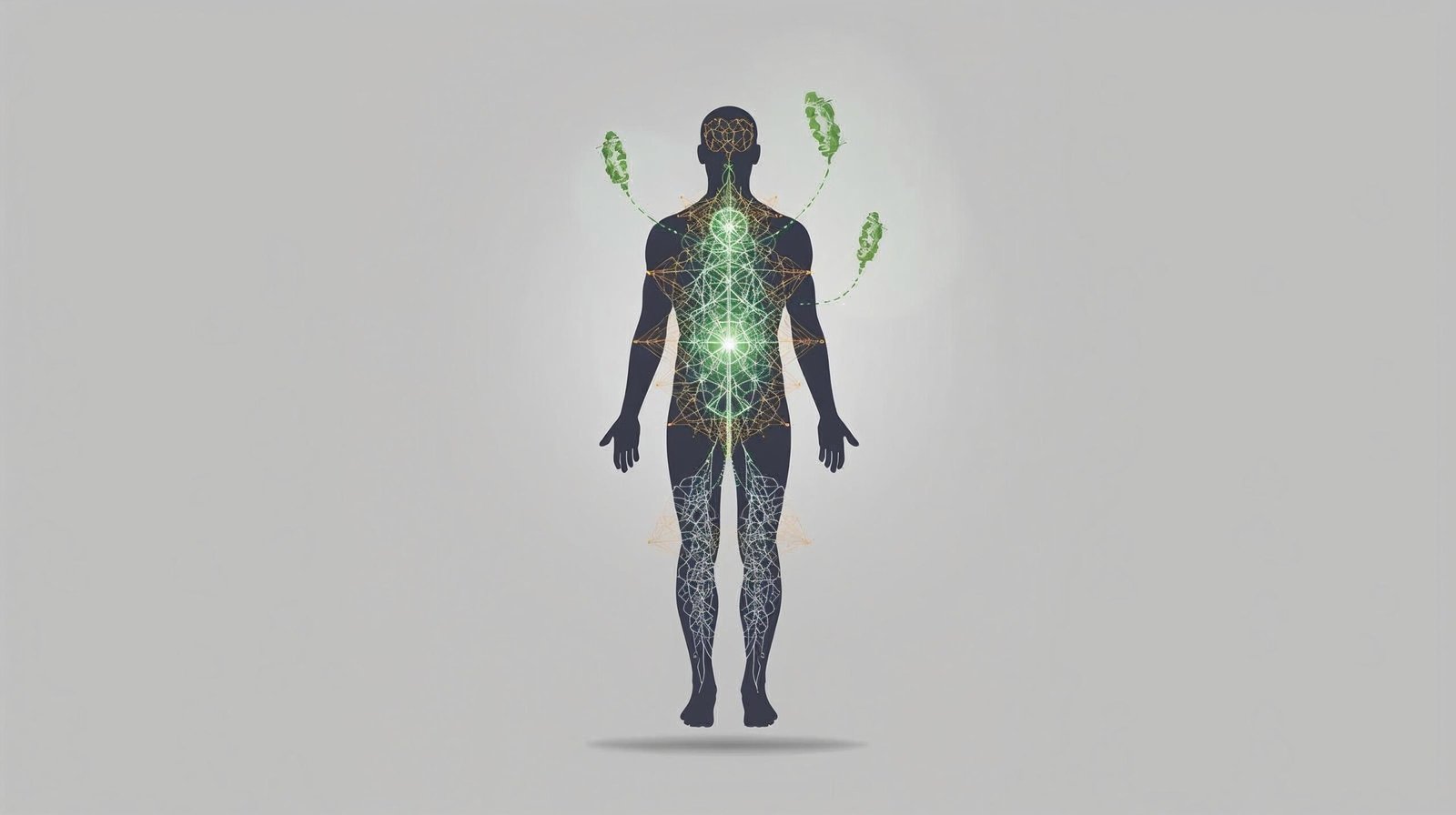
Final Reflective Perspective
This book ultimately challenges readers to reclaim agency over their health in an age dominated by contradictory nutritional advice. It does not promise immortality, nor does it offer simplistic solutions. Instead, it provides a biologically coherent framework for understanding why modern lifestyles often undermine long-term wellbeing.
For readers willing to question entrenched beliefs and engage critically with nutritional science, the insights offered can be both unsettling and empowering. The message is clear: ageing is inevitable, but accelerated decline is not.
At shubhanshuinsights.com, we advocate for informed inquiry, evidence-based reasoning, and intellectual courage. This work stands as a compelling contribution to the ongoing conversation about how humans can live not just longer, but better—with clarity, vitality, and purpose intact.
Frequently Asked Questions (FAQs)
1. Is The Longevity Paradox scientifically reliable?
Yes, the book draws upon clinical evidence, peer-reviewed research, and Dr. Gundry’s medical practice, though some claims remain debated.
2. Does The Longevity Paradox eliminate all lectins?
No. The focus is on reducing harmful lectins through preparation methods and food choices.
3. Can vegetarians follow The Longevity Paradox diet?
Yes, with careful planning and emphasis on low-lectin plant foods.
4. Is this diet suitable for long-term use?
Dr. Gundry presents it as a sustainable lifestyle rather than a short-term intervention.
5. Does The Longevity Paradox promote anti-ageing supplements?
Supplements are discussed, but dietary changes remain the foundation.
Conclusion: A Bold Rethinking of Ageing and Health
The longevity paradox is not a comfortable book, nor is it designed to be. It confronts cherished nutritional assumptions and exposes the unintended consequences of modern eating habits. Dr. Steven Gundry compels readers to recognise that living longer without living better is the true paradox of our time.
For those courageous enough to reassess their relationship with food, inflammation, and ageing, the longevity paradox offers a scientifically grounded, if unconventional, pathway toward sustained vitality.
At shubhanshuinsights.com, we believe that meaningful health transformation begins with informed scepticism and evidence-based exploration. This book stands as a powerful reminder that longevity is not merely about adding years to life—but adding life to years.