The Roll Model Book: A Definitive and Transformative Review of Jill Miller’s Myofascial Masterpiece
In an era where chronic pain, postural dysfunction, and movement limitations have become commonplace, the roll model book by Jill Miller emerges as an authoritative and profoundly practical guide to self-healing. This landmark work does not promise instant cures or superficial relief; instead, it presents a science-backed, methodical approach to restoring mobility, relieving pain, and re-educating the body through intelligent self-massage and myofascial release.
Unlike conventional fitness manuals that focus exclusively on strength or flexibility, the roll model book occupies a unique space between anatomy, neurology, and therapeutic movement. Jill Miller’s philosophy is grounded in the belief that pain is not merely a physical inconvenience but a communication system of the nervous and fascial networks. Through this lens, the book becomes not just instructional, but revelatory.
Understanding the Central Philosophy of The Roll Model Book
At its core, the roll model book advocates the practice of “embodied self-care.” Jill Miller challenges the modern dependency on passive treatments such as frequent physiotherapy sessions or pharmaceutical interventions. Instead, she empowers readers to become active participants in their own recovery.
The book introduces the concept of “rolling” as a sensory-rich practice designed to hydrate fascia, stimulate mechanoreceptors, and calm the nervous system. These principles are explained with clinical precision yet articulated in language accessible to both lay readers and seasoned practitioners.
What distinguishes the roll model book from similar titles is its deep respect for the complexity of the human body. Pain, Miller argues, is rarely isolated; it is systemic, cumulative, and often rooted in unconscious movement habits.
Jill Miller’s Authority and Clinical Credibility
Jill Miller is not merely an author; she is an educator, therapist, and movement innovator with decades of experience. Her background in yoga therapy, Pilates, anatomy, and pain science lends enormous credibility to the roll model book.
Her work has been embraced by physical therapists, elite athletes, yoga teachers, and rehabilitation specialists worldwide. This interdisciplinary respect is evident throughout the book, where academic research is seamlessly integrated with real-world application.
By grounding every technique in anatomical rationale, the roll model book avoids the pitfalls of vague wellness rhetoric and instead delivers evidence-informed self-care strategies.
The Science of Fascia Explained with Remarkable Clarity
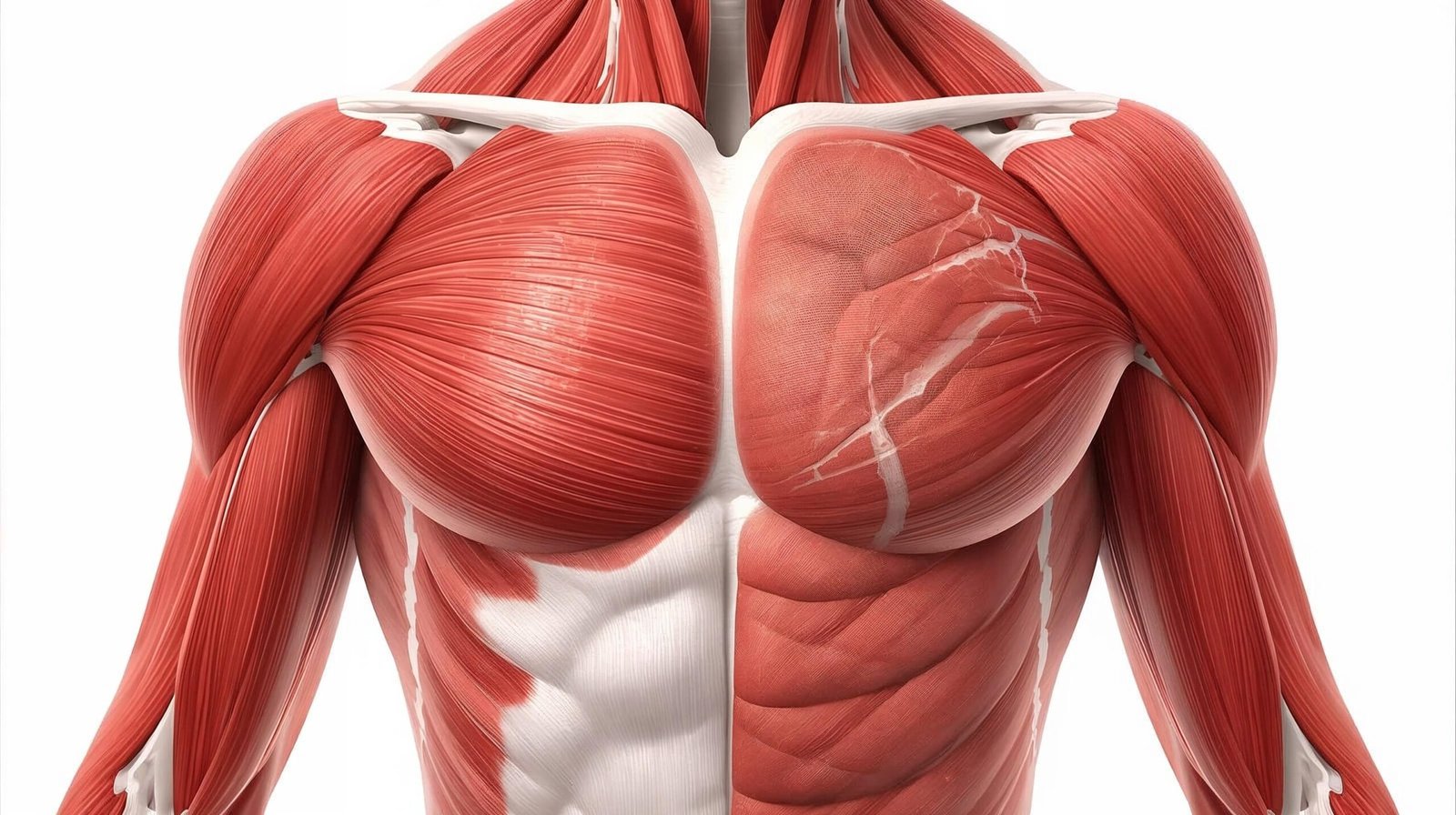
One of the most valuable contributions of the roll model book is its lucid explanation of fascia. Often misunderstood or oversimplified, fascia is revealed as a dynamic, sensory-rich tissue that responds to pressure, hydration, and neural input.
Miller explains how sedentary lifestyles, repetitive strain, and emotional stress cause fascial dehydration and densification. This results in stiffness, pain, and impaired proprioception. Through targeted rolling techniques, the body can restore glide, elasticity, and sensory awareness.
Readers of the roll model book gain not only techniques but a conceptual framework that forever changes how they interpret bodily discomfort.
Tools and Techniques Introduced in The Roll Model Book
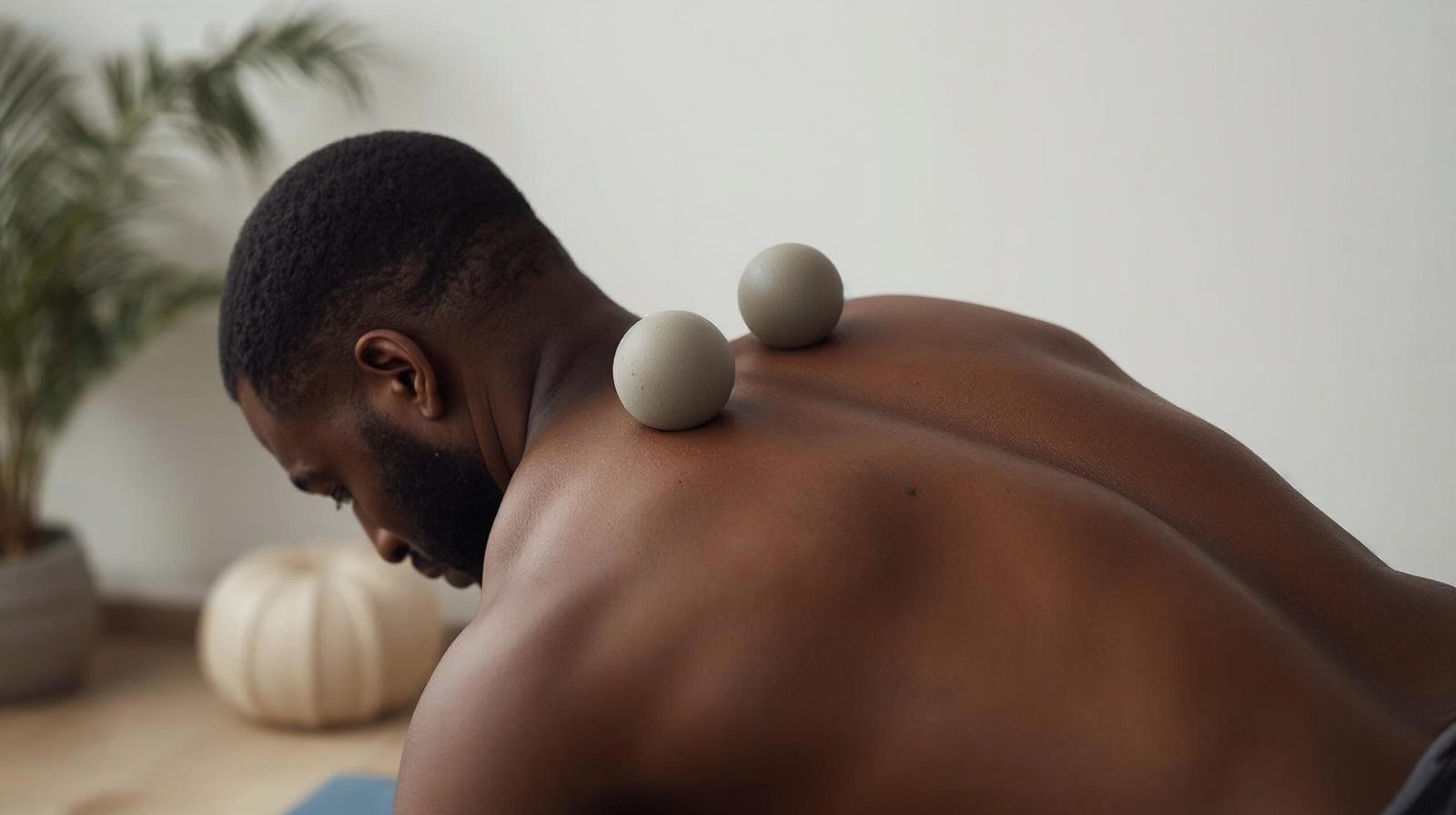
Unlike generic foam rolling guides, the roll model book introduces a range of specialised therapy balls, including the Yoga Tune Up® balls. These tools allow for precise, controlled pressure that adapts to individual tolerance levels.
Each rolling sequence is meticulously structured:
-
Clear anatomical targets
-
Breath integration
-
Sensory checkpoints
-
Neurological down-regulation
The emphasis is never on enduring pain but on cultivating awareness. This humane approach makes the roll model book suitable even for individuals with chronic pain or high sensitivity.
A Holistic Approach to Pain, Mobility, and Longevity
Pain relief in the roll model book is not isolated from broader health outcomes. Improved mobility, better sleep, enhanced athletic performance, and emotional regulation are presented as natural consequences of consistent rolling practice.
Jill Miller emphasises that fascia is intimately connected to the nervous system. Rolling, therefore, becomes a means of self-soothing, stress reduction, and nervous system recalibration.
This holistic philosophy elevates the roll model book from a mechanical manual to a deeply integrative wellness resource.
Who Should Read The Roll Model Book?
The roll model book is exceptionally versatile in its audience relevance:
-
Individuals suffering from chronic pain or stiffness
-
Athletes seeking faster recovery and injury prevention
-
Yoga and Pilates practitioners aiming for longevity
-
Physiotherapists and movement educators
-
Office workers experiencing postural dysfunction
The book respects reader intelligence while remaining approachable, making it suitable for both beginners and professionals.
Educational Structure and Visual Excellence
The pedagogical design of the roll model book deserves special recognition. High-quality anatomical illustrations, clear sequencing, and logical chapter progression make complex concepts digestible.
Each chapter builds upon the previous one, reinforcing learning through repetition and application. The clarity of presentation reflects Jill Miller’s extensive teaching experience.
The Emotional Intelligence Embedded in The Roll Model Book
Perhaps the most understated strength of the roll model book is its emotional intelligence. Jill Miller acknowledges the psychological dimensions of pain without resorting to abstraction or pseudoscience.
Readers are encouraged to listen rather than dominate their bodies. This compassionate ethos fosters trust and consistency, two factors essential for long-term healing.
Why The Roll Model Book Stands Apart from Other Self-Care Manuals
In a crowded market of fitness publications, the roll model book distinguishes itself through depth, humility, and scientific integrity. It neither oversimplifies nor overwhelms.
Where other books prescribe routines, Jill Miller teaches understanding. Where others chase trends, she builds foundations.
This intellectual honesty ensures that the roll model book remains relevant long after passing fitness fads have faded.
The Neurological Dimension of Self-Myofascial Practice
One of the most intellectually compelling aspects of Jill Miller’s work is her emphasis on the nervous system as a primary driver of pain and movement restriction. Rather than viewing discomfort purely as a structural issue, she presents it as a perceptual phenomenon influenced by sensory input, emotional state, and habitual patterns of tension.
Modern pain science supports this view. The brain interprets sensory signals based on context, memory, and perceived threat. Gentle pressure applied with awareness can modulate these signals, effectively recalibrating the body’s response to movement. Miller’s methodology reflects this science with remarkable fidelity, making the practice both physiologically sound and neurologically intelligent.
By incorporating breath awareness, slow pacing, and mindful attention, the rolling techniques serve as a dialogue with the nervous system rather than an act of forceful manipulation. This distinction is crucial for individuals who have experienced long-standing pain, trauma, or repeated injury.

The Role of Proprioception and Body Mapping
Another profound contribution of this work lies in its enhancement of proprioception—the body’s internal sense of position, tension, and movement. Poor proprioceptive awareness often underlies coordination deficits, instability, and recurring injury.
Through targeted pressure and deliberate exploration, readers are encouraged to “map” their bodies with greater clarity. This process sharpens neural pathways between the muscles, fascia, and brain, leading to improved movement efficiency and confidence.
Such heightened awareness is particularly valuable for athletes and movement professionals, as it refines motor control and reduces compensatory patterns. However, even sedentary individuals benefit greatly, as improved body mapping often translates into better posture, reduced fatigue, and increased comfort during daily activities.
Implications for Athletic Performance and Recovery
From a performance perspective, the principles outlined by Jill Miller offer considerable advantages. Efficient force transmission depends on tissue elasticity, neural coordination, and optimal joint mechanics. When fascial layers are dehydrated or neurologically inhibited, performance inevitably suffers.
Regular application of the techniques described enhances tissue resilience and accelerates recovery by improving circulation and sensory feedback. Unlike aggressive recovery methods that can exacerbate inflammation, these practices respect the body’s adaptive capacity.
Athletes engaged in high-impact or repetitive sports may find particular value in the preventative nature of this approach. By addressing minor restrictions before they escalate, long-term performance sustainability becomes achievable rather than aspirational.
Relevance for Sedentary Lifestyles and Modern Work Culture
The contemporary work environment has introduced unprecedented challenges to musculoskeletal health. Prolonged sitting, excessive screen use, and limited movement variability contribute to widespread discomfort and dysfunction.
The methods presented provide an accessible countermeasure. They require minimal space, modest time investment, and no dependence on external practitioners. This autonomy is especially relevant for individuals with demanding schedules or limited access to therapeutic services.
Furthermore, the calming effect of mindful pressure and breath integration offers psychological benefits, helping to offset the cognitive strain associated with modern professional life. Over time, these small but consistent practices can profoundly alter one’s relationship with work-related stress.
Educational Value for Movement Professionals
For teachers, trainers, and therapists, this book functions as both a reference and a pedagogical guide. It encourages professionals to reconsider cueing strategies, pacing, and the role of sensation in skill acquisition.
Rather than instructing clients to “push through” limitations, the philosophy advocates curiosity and responsiveness. This shift not only reduces injury risk but also enhances learning retention, as clients develop internal awareness rather than reliance on external correction.
The book’s emphasis on self-efficacy aligns with ethical best practices in health education, fostering independence rather than dependency.
Emotional Release and Somatic Awareness
Although the primary focus remains physical, the emotional implications of somatic work are thoughtfully acknowledged. Fascia has been shown to respond to emotional stress, and stored tension often carries psychological dimensions.
The gentle, introspective nature of the techniques creates space for emotional processing without forcing catharsis. Readers are reminded that sensations may arise unexpectedly and that such experiences are neither pathological nor to be suppressed.
This balanced acknowledgment adds depth and maturity to the work, avoiding sensationalism while respecting the complexity of human experience.

Longevity, Ageing, and Quality of Life
As the global population ages, maintaining mobility and independence has become a central health priority. The principles outlined are particularly valuable for older adults seeking to preserve joint function and balance.
Low-impact, scalable, and adaptable, the techniques can be modified to suit varying levels of ability. Improved tissue hydration, enhanced circulation, and increased sensory awareness contribute directly to fall prevention and daily comfort.
Rather than framing ageing as inevitable decline, the book presents it as a process that can be navigated with intelligence and respect for the body’s adaptability.
Integration with Other Wellness Practices
Another strength lies in the compatibility of these methods with existing wellness routines. Whether combined with yoga, strength training, walking, or meditation, the practices complement rather than compete.
Used as preparation, they improve movement quality. Used as recovery, they accelerate restoration. Used independently, they form a complete system of maintenance and care.
This flexibility ensures that readers are not required to abandon familiar practices but can instead enhance them.
Ethical and Sustainable Self-Care Philosophy
In an industry often driven by consumerism and constant novelty, Jill Miller’s work promotes sustainability. The emphasis is on education, consistency, and respect for individual variability rather than perpetual upgrading or excessive intervention.
This ethical stance resonates strongly in a time when wellness misinformation is widespread. Readers are encouraged to think critically, observe patiently, and proceed responsibly.
Such an approach fosters trust—not only in the methods presented but in one’s own capacity for discernment and self-regulation.
The Importance of Patience and Consistency in Somatic Practice
One of the most understated lessons conveyed through Jill Miller’s work is the value of patience in physical restoration. In a culture conditioned to seek immediate results, the gradual nature of somatic improvement may initially appear underwhelming. Yet it is precisely this unhurried progression that makes the methods sustainable and profoundly effective.
Human tissues adapt over time, responding best to consistent, low-threat stimuli rather than sporadic intensity. By encouraging small, repeatable practices, the author underscores the biological reality that lasting change is cumulative. Readers are reminded that progress should be measured not only in reduced discomfort, but also in enhanced awareness, smoother movement transitions, and improved breathing patterns.
Consistency also nurtures trust between the individual and the body. When practices are approached without force or impatience, the nervous system learns to interpret sensation as safe rather than threatening. This recalibration often results in reduced guarding, greater joint freedom, and an increased willingness to explore movement.
Another notable aspect is the emphasis on self-observation. Practitioners are encouraged to notice subtle shifts in temperature, pressure tolerance, and emotional response. These observations foster a reflective mindset that extends beyond physical practice into daily life. Movement becomes less mechanical and more conversational, grounded in feedback rather than ambition.
Importantly, the work reframes setbacks as part of the learning process rather than evidence of failure. Fluctuations in sensation or mobility are presented as informative signals, guiding future practice rather than discouraging it. This compassionate framework reduces frustration and supports long-term adherence.
Over time, such an approach cultivates a deep sense of bodily literacy. Individuals become adept at recognising early signs of tension or imbalance and responding appropriately. This preventative awareness is perhaps the most valuable outcome, as it reduces reliance on reactive interventions and promotes lifelong physical autonomy.

Final Reflections on Its Enduring Impact
The lasting value of this work lies not in any single technique but in the mindset it cultivates. By reframing discomfort as information rather than obstruction, readers develop a healthier, more collaborative relationship with their bodies.
This shift has implications far beyond physical relief. It influences confidence, resilience, and self-respect. Over time, such changes ripple outward, affecting daily habits, movement choices, and overall wellbeing.
In this sense, the book functions as both a manual and a mentor—quietly guiding readers toward a more intelligent and compassionate approach to health.
FAQs
Is The Roll Model Book suitable for beginners?
Yes. The roll model book is written in a progressive manner, allowing beginners to start gently and advance safely.
Does The Roll Model Book require special equipment?
While therapy balls are recommended, the techniques in the roll model book are adaptable and scalable.
Can The Roll Model Book help with chronic pain?
Many readers report significant improvement. The book addresses pain through neurological, fascial, and biomechanical pathways.
Is The Roll Model Book scientifically credible?
Absolutely. Jill Miller supports her methods with contemporary pain science and anatomical research.
How often should one practice the techniques?
Consistency is encouraged. Even brief daily sessions inspired by the roll model book can yield meaningful results.
Conclusion: A Timeless Guide to Intelligent Self-Healing
The roll model book by Jill Miller is not merely a fitness publication; it is a manifesto for conscious self-care in a pain-ridden modern world. Through clarity, compassion, and scientific rigour, the book empowers readers to reclaim agency over their bodies.
For those seeking sustainable relief rather than temporary fixes, this work offers something rare: understanding. It teaches that healing is not outsourced but cultivated, one mindful roll at a time.
At shubhanshuinsights.com, we believe that books like The Roll Model represent the future of wellness education—where knowledge replaces dependency, and awareness triumphs over neglect.
If you are prepared to listen to your body, respect its intelligence, and invest in long-term health, the roll model book deserves a permanent place on your bookshelf.
Ultimately, the true merit of this work lies in its ability to foster responsibility, awareness, and restraint in an age of excess intervention. It reminds readers that meaningful physical change is rarely dramatic, but quietly earned through attention, patience, and respect for the body’s innate intelligence.