Why Body by Science Is a Brutal Yet Brilliant Rejection of Modern Fitness Culture
Introduction
Body by science is not merely another fitness book. It is a direct intellectual assault on the bloated, time-consuming, and often counterproductive exercise routines that dominate modern gyms. Written by Dr. Doug McGuff, an emergency physician, and John Little, a meticulous researcher, this book replaces anecdote with physiology, and tradition with evidence.
In a world obsessed with more repetitions, more sets, and more hours, body by science argues something profoundly unsettling: less exercise, performed correctly, produces superior results. This thesis alone challenges decades of fitness orthodoxy and forces the reader to reconsider everything believed about strength, endurance, and health.
What makes body by science so compelling is not motivational rhetoric but relentless logic grounded in human biology. The book is unapologetically scientific, demanding intellectual honesty rather than blind faith.

The Central Thesis of Body by Science
At its core, body by science asserts that the human body responds optimally to brief, infrequent, and high-intensity resistance training. The authors argue that traditional exercise models are based on misunderstanding muscle physiology, energy systems, and recovery dynamics.
Rather than promoting endurance-based repetition, body by science emphasizes momentary muscular failure as the key stimulus for strength adaptation. When muscles are pushed to their true limit under controlled conditions, the body initiates powerful adaptive responses.
This approach is not about comfort. It is about efficiency, precision, and biological truth.
The Science Behind Muscle Growth and Strength
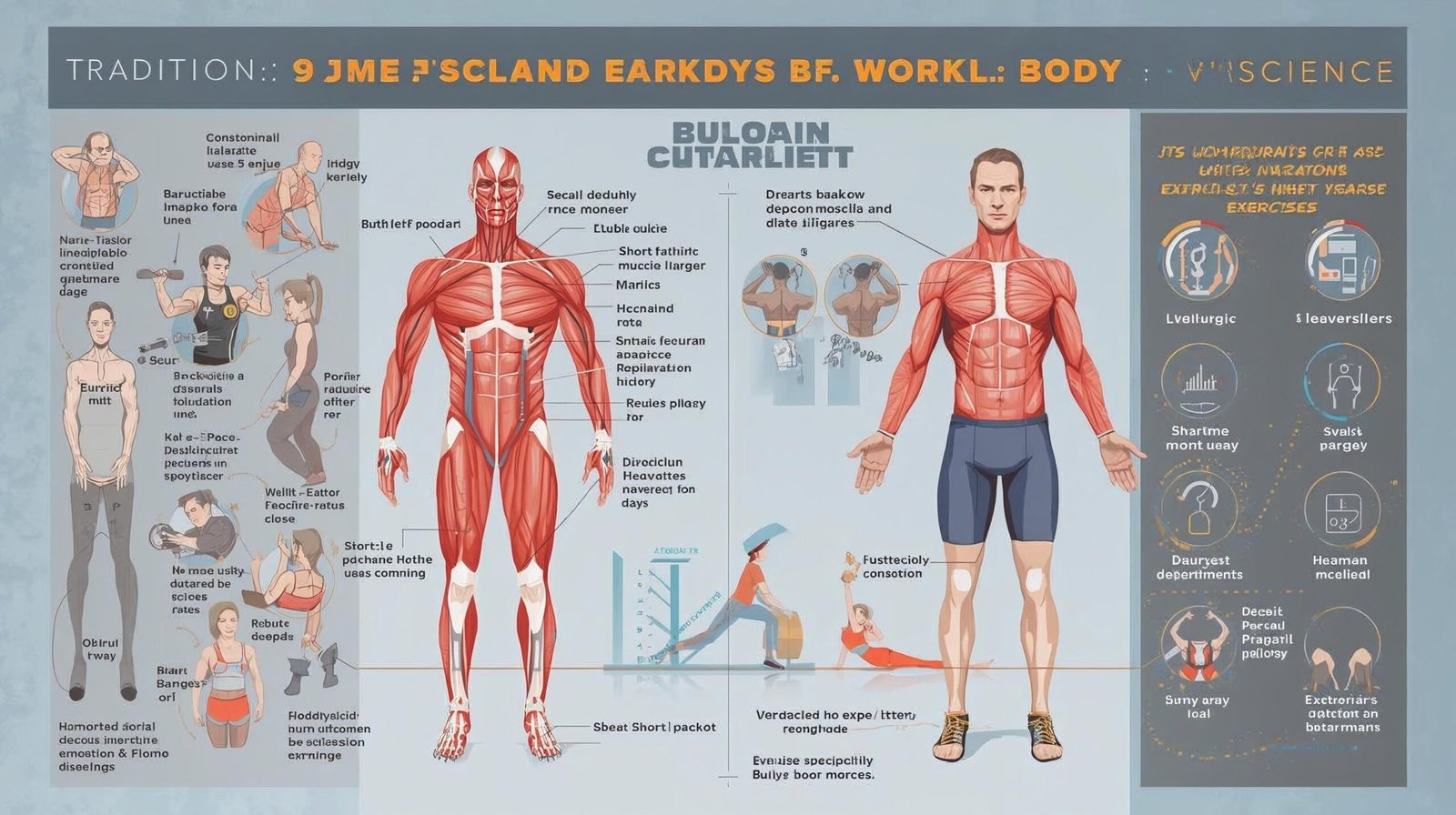
One of the greatest strengths of body by science is its lucid explanation of muscular function. The book dismantles the myth that muscles grow through volume and frequency. Instead, it highlights intensity as the dominant variable.
Muscle tissue responds to mechanical tension. When a muscle is forced to contract against sufficient resistance until failure, it signals the body to rebuild stronger fibres. Anything short of this threshold is largely wasted effort.
Body by science explains this process using fundamental principles of exercise physiology, making complex concepts accessible without diluting their rigour. The emphasis on slow, controlled movements ensures maximum muscle fibre recruitment while minimising joint stress.
Why Less Exercise Produces Better Results
The most controversial idea in body by science is that excessive exercise is not only unnecessary but harmful. The authors argue that the body has limited recovery capacity. Frequent workouts interrupt the adaptive process, leaving muscles weaker rather than stronger.
By advocating workouts as infrequent as once every seven to ten days, body by science directly opposes mainstream fitness advice. Yet this recommendation is rooted in the body’s natural recovery timeline, not convenience.
The message is stark: progress occurs during recovery, not during exercise.
Cardiovascular Health Reconsidered
Traditional fitness culture equates cardiovascular health with prolonged aerobic activity. Body by science dismantles this assumption with surgical precision.
The authors demonstrate that high-intensity resistance training places extraordinary demand on the cardiovascular system, often exceeding that of conventional cardio. When muscles are forced to work at maximal intensity, the heart responds accordingly.
Thus, body by science reframes strength training as a potent cardiovascular stimulus, eliminating the false dichotomy between strength and heart health.

The Role of Safety and Injury Prevention
Another hallmark of body by science is its uncompromising focus on safety. Contrary to popular belief, high-intensity training does not equate to reckless exertion.
By employing slow repetitions, strict form, and controlled resistance, body by science minimises momentum and joint strain. This method reduces injury risk while maximising muscular engagement.
For older adults or individuals with limited mobility, the principles of body by science offer a rare combination of safety and effectiveness.
Longevity, Ageing, and Metabolic Health
Body by science extends beyond aesthetics and strength. It addresses ageing, insulin sensitivity, bone density, and metabolic efficiency.
Loss of muscle mass is one of the primary drivers of age-related decline. By preserving and enhancing muscle tissue, body by science indirectly supports hormonal balance, glucose regulation, and skeletal integrity.
The authors present resistance training not as a lifestyle accessory but as a medical intervention with profound implications for longevity.
Nutrition and Recovery in Body by Science
While exercise is the book’s central focus, body by science does not neglect nutrition and rest. Recovery is treated as a biological necessity, not an afterthought.
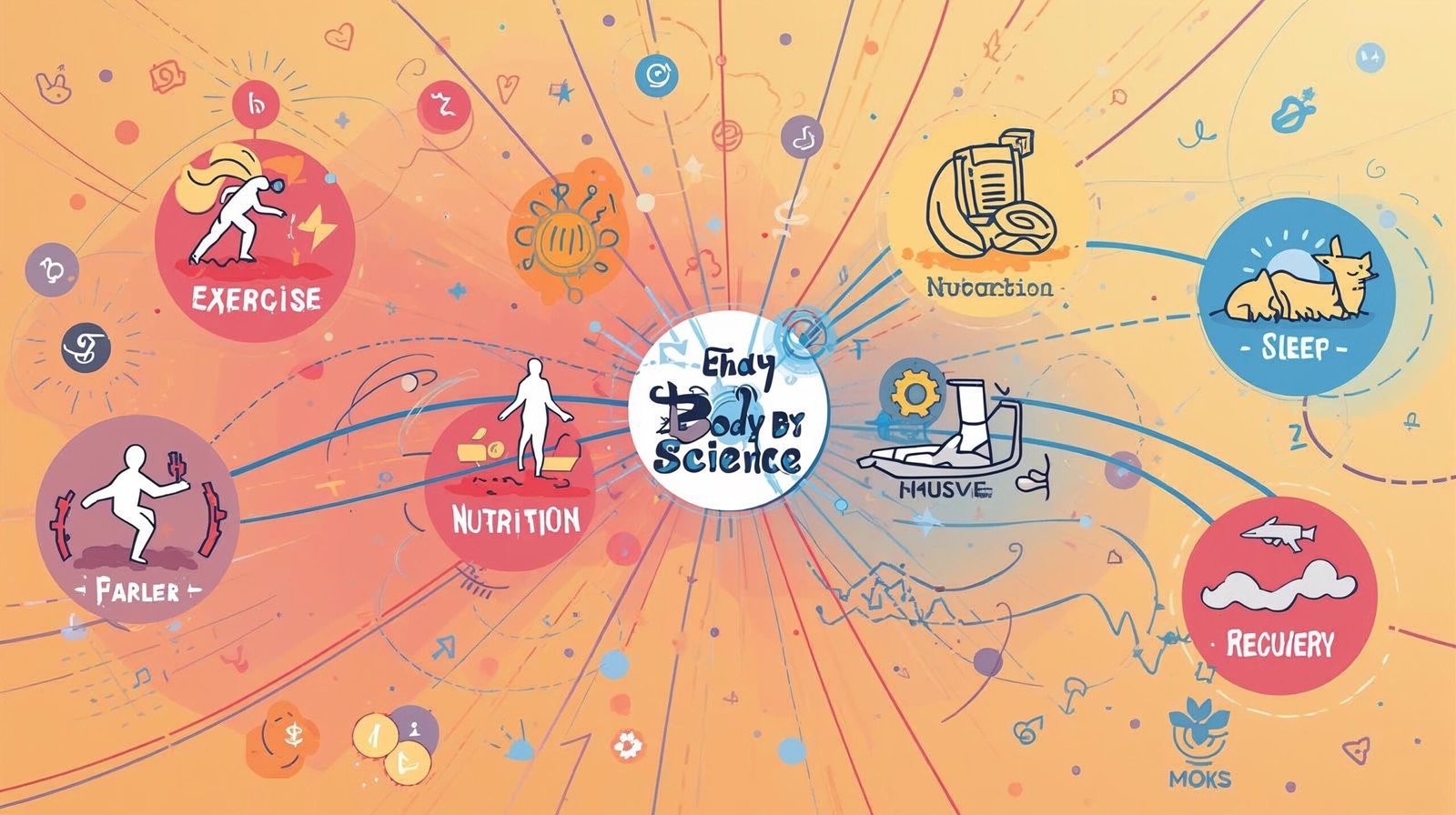
Adequate protein intake, sufficient sleep, and stress management are presented as essential companions to high-intensity training. Without them, the adaptive benefits of body by science cannot fully manifest.
This holistic perspective elevates the book from a workout manual to a comprehensive health philosophy.
Criticisms and Intellectual Challenges
No serious book escapes criticism, and body by science is no exception. Some readers find its tone confrontational and its dismissal of conventional fitness too absolute.
Others argue that individual variability may require more flexible application of its principles. However, even critics acknowledge the book’s intellectual honesty and scientific depth.
Body by science does not ask to be believed blindly. It invites scrutiny, debate, and experimentation.
Why Body by Science Matters Today
In an era dominated by fitness influencers and superficial metrics, body by science stands as a rare work of substance. It prioritises outcomes over appearances and evidence over tradition.
For professionals constrained by time, older adults seeking sustainable health, or thinkers dissatisfied with fitness clichés, body by science offers clarity and conviction.
Its ideas may unsettle, but they endure precisely because they are grounded in biology rather than fashion.
Foundations of Intelligent Training and Biological Consistency
A further strength of this work lies in its disciplined insistence on first principles. Rather than appealing to popularity or long-standing gym traditions, the authors repeatedly return to fundamental biological laws. Muscle tissue, they argue, obeys the same adaptive logic as any other living system: it responds predictably to stress, provided that stress is sufficiently intense and followed by adequate recovery. This insistence on biological consistency gives the book an almost philosophical seriousness that is rarely encountered in fitness literature.
The discussion of time efficiency deserves particular attention. In contemporary society, exercise is often portrayed as a moral obligation requiring significant daily sacrifice. The authors challenge this narrative by reframing physical training as a precise intervention rather than a lifestyle performance. When exercise is viewed as a targeted stimulus rather than a ritual, its required duration shrinks dramatically. This reframing is not merely convenient; it is intellectually liberating. It removes guilt, reduces burnout, and restores exercise to its proper place as a means rather than an end.
Another notable contribution is the book’s treatment of effort. Effort is not romanticised or aestheticised. There are no cinematic montages of sweat and suffering. Instead, effort is defined narrowly and clinically as the degree of muscular recruitment achieved during a controlled contraction. This sober definition strips away ego and spectacle, leaving behind a demanding but honest standard. The reader is forced to confront the uncomfortable reality that true effort is rare precisely because it is difficult to measure and impossible to fake.
The authors also address the psychological resistance that accompanies high-intensity training. They acknowledge, with refreshing candour, that the method they propose is not emotionally pleasant. Short, demanding sessions require confronting discomfort directly, without distraction. This psychological honesty distinguishes the book from motivational fitness texts that rely on enthusiasm and novelty. Here, discipline replaces excitement, and understanding replaces hype.
A significant portion of the text is devoted to the concept of recovery debt. Modern culture celebrates constant activity, yet the authors argue that this obsession with movement ignores the body’s finite adaptive capacity. Recovery is not passive idleness but an active biological process involving protein synthesis, hormonal regulation, and neural recalibration. Interrupting this process through excessive training, poor sleep, or chronic stress undermines progress. By elevating recovery to equal importance with exertion, the book restores balance to the training equation.
Health, Ageing, and Physiological Optimization
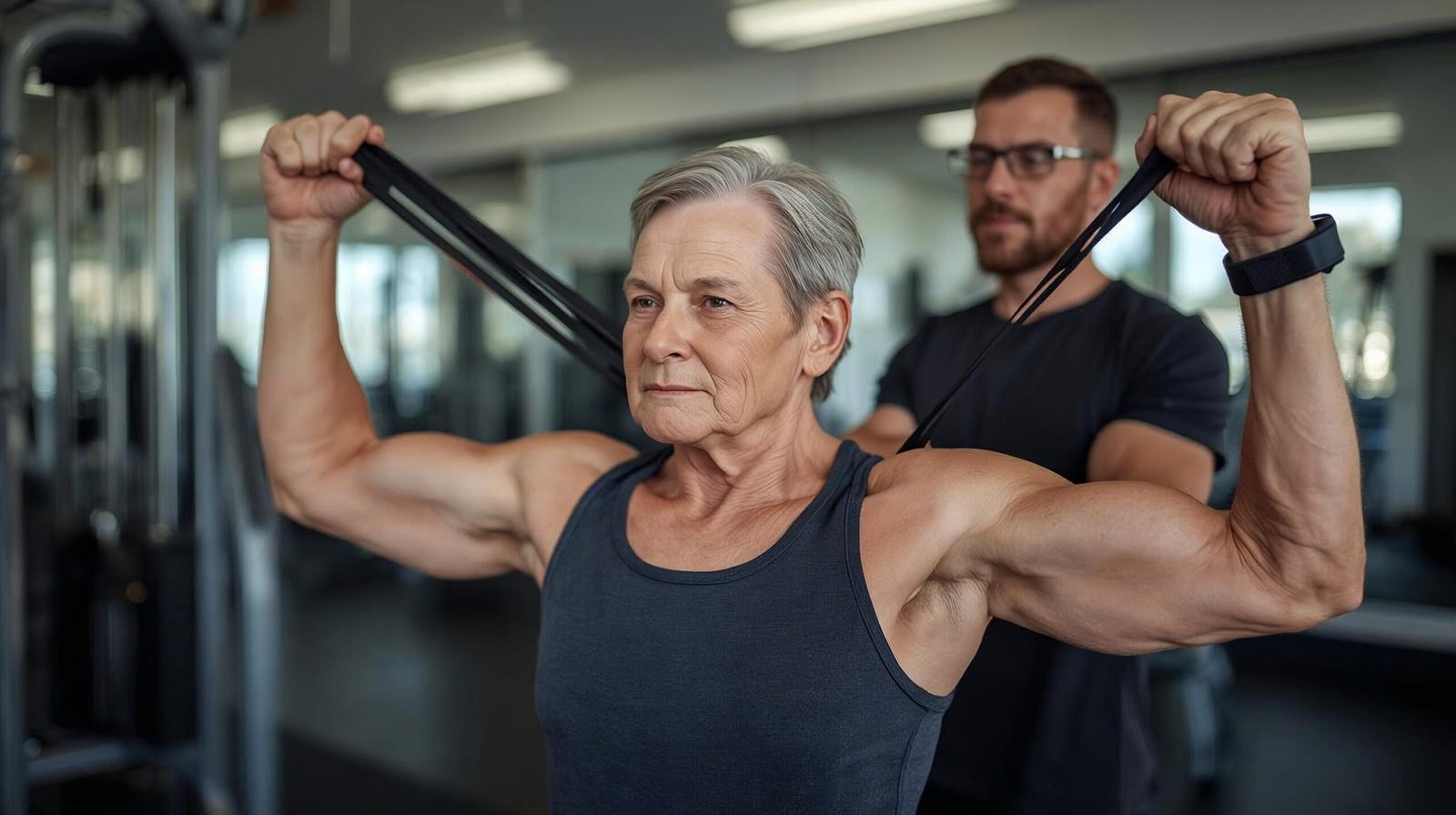
The implications for older populations are particularly profound. Ageing is often accompanied by resignation regarding physical decline. The authors reject this fatalism outright. They argue that much of what is attributed to ageing is in fact the result of prolonged muscular disuse. By applying controlled resistance in a safe and systematic manner, even individuals well into later life can regain significant functional capacity. This assertion is supported not by inspirational anecdotes but by physiological reasoning, lending it unusual credibility.
Equally compelling is the discussion of bone density and connective tissue health. Rather than treating bones as passive structures, the authors describe them as dynamic tissues that respond to mechanical loading. Properly applied resistance stimulates osteogenic activity, strengthening skeletal integrity. This perspective reframes strength training as a protective measure against fractures and mobility loss, particularly in populations vulnerable to osteoporosis.
The book also offers a nuanced critique of endurance-based exercise. While acknowledging its recreational and psychological benefits, the authors question its effectiveness as a primary tool for metabolic health. Prolonged aerobic activity, they argue, often leads to compensatory behaviours such as increased caloric intake and reduced spontaneous movement. In contrast, brief, intense resistance sessions create a metabolic demand that persists well beyond the workout itself. This after-effect, though less visible, is metabolically significant.
Nutrition is addressed with similar restraint and logic. The authors avoid prescribing rigid dietary dogma. Instead, they emphasise adequacy and consistency. Sufficient protein intake is presented as non-negotiable, given its role in tissue repair. Excessive caloric restriction, particularly in conjunction with intense training, is criticised for impairing recovery and hormonal balance. This pragmatic approach respects individual variability while maintaining biological coherence.
Sleep emerges as a silent protagonist in the book’s philosophy. Rather than treating rest as optional, the authors frame sleep deprivation as a direct antagonist to adaptation. Growth hormone release, neural consolidation, and immune regulation all depend heavily on sleep quality. Without it, even the most precisely designed training programme collapses. This emphasis resonates strongly in a culture that routinely sacrifices rest for productivity.
Cultural, Ethical, and Philosophical Implications of Body by Science
The ethical undertone of the book is subtle but significant. By promoting minimalism and efficiency, the authors implicitly critique consumer-driven fitness culture. There is no need for endless equipment, supplements, or memberships. What is required is understanding, discipline, and respect for one’s own physiology. This message carries a quiet moral weight, advocating responsibility over indulgence.
Another aspect worth noting is the authors’ treatment of measurement and progress tracking. Rather than encouraging constant testing or visual comparison, they advocate objective performance metrics such as strength increases and improved control. This inward-facing standard reduces anxiety and comparison, fostering a more sustainable relationship with physical training.
The writing style itself reinforces the book’s philosophy. It is direct, occasionally uncompromising, and free from decorative language. This austerity mirrors the training method it advocates. There is no excess, no filler, and no pandering. Readers accustomed to motivational flourishes may find this tone challenging, but it ultimately enhances the book’s authority.
Importantly, the book does not promise perfection. It acknowledges biological limits and individual differences. Not everyone will respond identically, and not every goal is compatible with minimal training. However, the authors argue convincingly that for general health, strength, and longevity, their approach offers an optimal balance of effectiveness and sustainability.
The broader cultural implications are difficult to ignore. In redefining exercise as a brief, focused intervention, the book challenges the identity-driven nature of modern fitness. Training need not be a social performance or a personal brand. It can be quiet, private, and profoundly effective. This redefinition may be unsettling for some, but it is deeply liberating for others.
Ultimately, the book’s enduring value lies in its refusal to compromise intellectual integrity. It does not seek universal approval, nor does it dilute its conclusions to avoid controversy. Instead, it presents a coherent argument grounded in biology and invites the reader to test it honestly. In doing so, it elevates the conversation around exercise from habit to understanding.
For serious readers, this additional depth transforms the work from a mere training guide into a framework for thinking about health itself. Strength becomes not an aesthetic pursuit but a biological asset. Exercise becomes not a pastime but a precise tool. And health emerges not as a vague aspiration but as the predictable outcome of respecting how the human body truly adapts.
This expanded perspective reinforces the book’s central message: intelligent restraint, guided by science and executed with discipline, often surpasses excess driven by tradition. In an age of noise and overcomplication, such clarity is not only rare but deeply necessary.
Mindset, Focus, and Sustainable Progress
Another important consideration is the role of mindset and consistency in achieving meaningful results. The authors highlight that brief, high-intensity sessions demand mental focus, patience, and an acceptance of temporary discomfort. This psychological component is often overlooked in mainstream training programs, which emphasize visible effort over measured impact. By cultivating a mindset that values precision and patience, readers can sustain progress over months and years without burnout.
Minimalism, Personal Experimentation, and Adaptive Training
The book also addresses the hidden benefits of minimalistic training. Less frequent but intense exercise allows individuals to allocate energy and attention to other important areas of life, from professional responsibilities to personal relationships. In this way, the approach fosters balance, demonstrating that effective training does not require all-consuming dedication but careful, intelligent effort.
Finally, the authors underscore the importance of personal experimentation. While their principles are rooted in science, individual differences in recovery, strength, and adaptability mean that no single prescription fits everyone perfectly. Readers are encouraged to monitor responses, adjust intensity, and refine their approach over time. This combination of empirical understanding, personal feedback, and disciplined execution transforms training from a routine into a dynamic, adaptive practice that respects the body’s natural limits while maximizing its potential.
Conclusion: A Relentless Case for Intelligent Exercise
Body by science is not comfortable reading for those invested in conventional fitness myths. It challenges assumptions, dismantles routines, and demands intellectual courage.
Yet within its pages lies a liberating truth: health and strength do not require endless hours of suffering. They require understanding, precision, and respect for human biology.
For readers of shubhanshuinsights.com seeking depth over dogma and results over ritual, body by science offers a compelling, evidence-based path forward. It is a book that does not merely inform but transforms how exercise itself is understood.
In rejecting excess and embracing efficiency, body by science redefines what it truly means to train with purpose.
Frequently Asked Questions (FAQs)
1. Is Body by Science suitable for beginners?
Yes. Body by science is particularly suitable for beginners because it emphasises controlled movements, safety, and gradual progression.
2. How often should one train according to Body by Science?
The book recommends training as infrequently as once every seven to ten days, depending on recovery capacity.
3. Does Body by Science replace cardio workouts?
According to body by science, high-intensity resistance training provides sufficient cardiovascular stimulus without traditional cardio.
4. Is this approach supported by science?
Yes. Body by science is heavily grounded in exercise physiology and supported by empirical research.
5. Can older adults follow Body by Science safely?
Absolutely. The slow, controlled methodology of body by science is especially beneficial for ageing populations.
By embracing discipline, intelligence, and respect for natural limits, readers can transform training into a sustainable and life-enhancing practice.