Roar Book – A Revolutionary Manifesto for Female Physiology and Performance
The roar book by Dr. Stacy T. Sims and Selene Yeager is not merely a fitness manual; it is a scientific rebellion against decades of male-centric sports research. Written in polished orthodox English, the book exposes a vital but long-ignored truth: women are not small men. Their physiology, hormonal rhythms, recovery mechanisms, and nutritional requirements are fundamentally different.
The roar book confronts deeply entrenched myths that have governed fitness advice for generations. Instead of forcing women into male-designed training frameworks, this book offers a scientifically validated system aligned with female biology. The result is superior performance, hormonal stability, and long-term physical resilience.
The Authors and Their Scientific Authority
Dr. Stacy T. Sims is an internationally respected exercise physiologist whose work focuses on sex-based differences in training adaptation, nutrition, and thermoregulation. Her research credibility gives the roar book immense academic strength. Selene Yeager, a seasoned health journalist, translates complex science into precise, readable guidance.
Together, they deliver a work that is intellectually rigorous yet practically actionable. The roar book benefits enormously from this balanced authorship.
Why the Roar Book Was Long Overdue
For decades, sports science research relied predominantly on male subjects. Women were systematically excluded due to hormonal variability, creating a distorted knowledge base. The roar book exposes how this oversight led to ineffective training, metabolic dysfunction, fatigue, and increased injury risk among women.
The roar book exists to correct this historical imbalance. It reframes female hormonal cycles as physiological advantages rather than biological inconveniences.
Women Are Not Small Men: The Core Argument
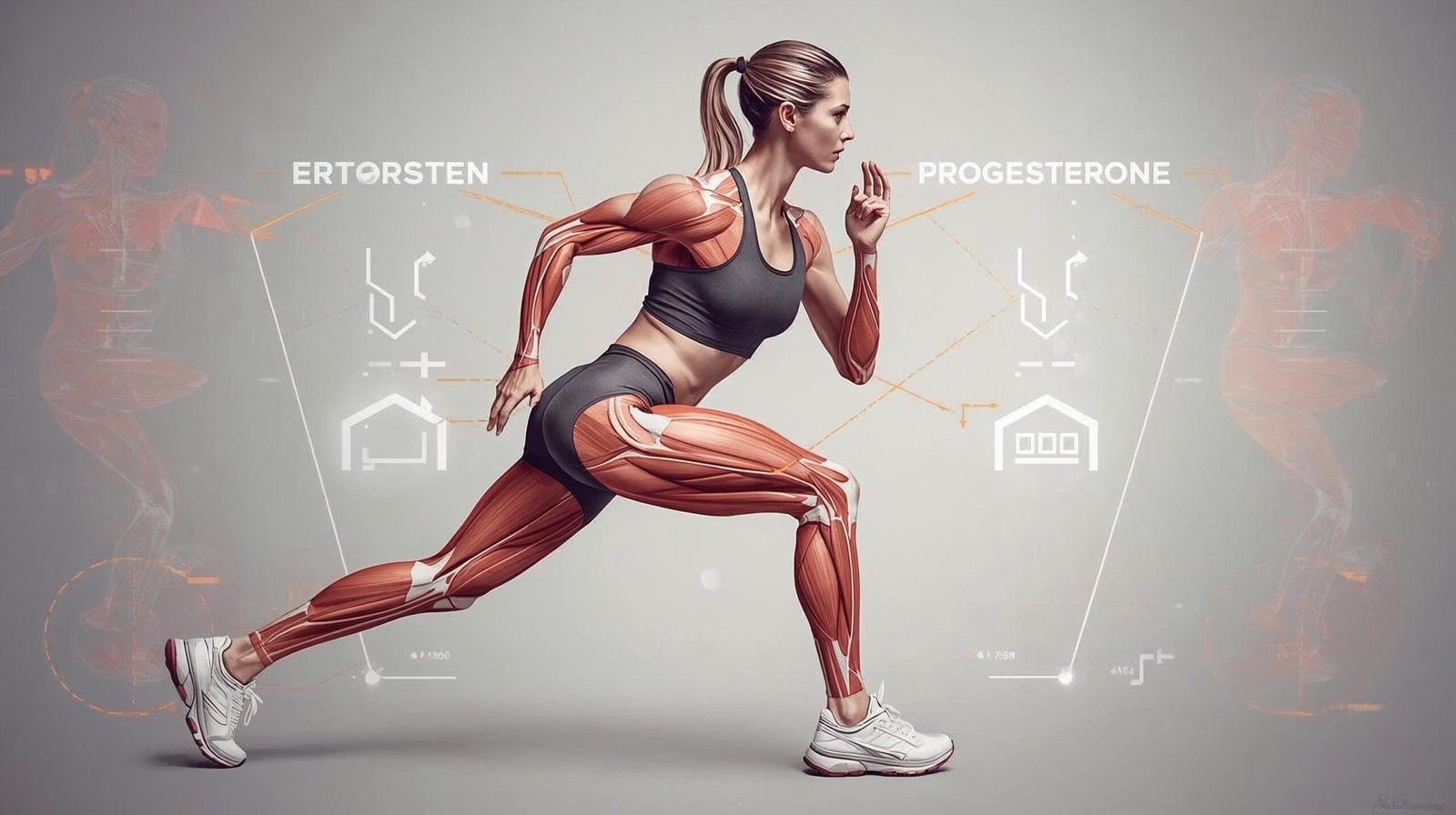
The central thesis of the roar book is uncompromising: female physiology responds differently to physical stress, intensity, and recovery. Hormones such as estrogen and progesterone influence hydration, muscle repair, coordination, and energy utilisation.
When these differences are ignored, training fails. When they are respected, as demonstrated in the roar book, performance becomes sustainable and predictable.
Strength Training and Female Power
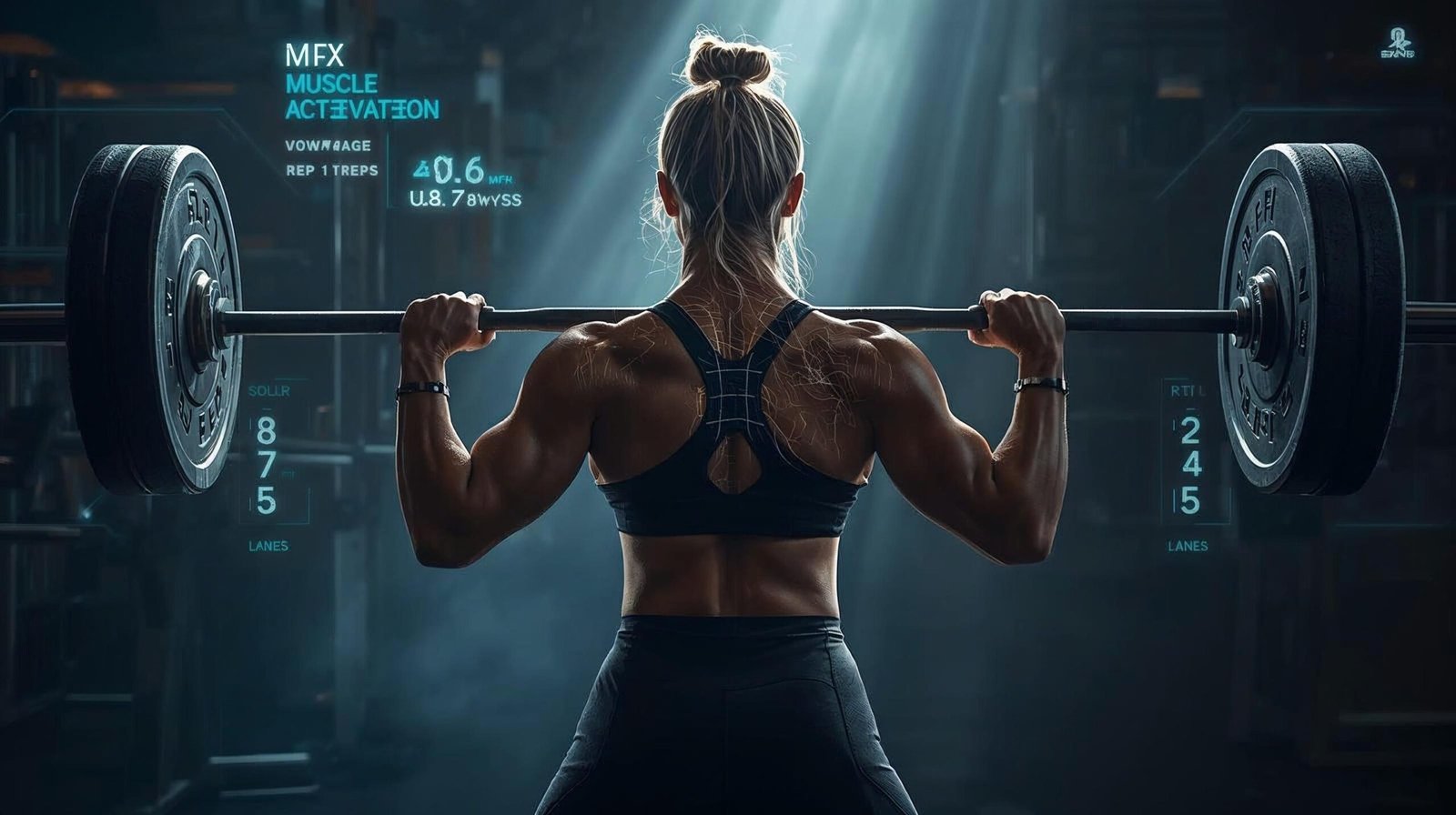
One of the most empowering revelations in the roar book concerns strength training. Contrary to popular belief, lifting heavy weights does not cause women to become bulky. Instead, it enhances bone density, neuromuscular efficiency, and metabolic health.
The roar book explains that women require higher relative intensity to stimulate strength adaptations. Resistance training is therefore essential, particularly during ageing and hormonal transition.
Endurance Training and Energy Metabolism
The roar book provides groundbreaking insights into female endurance physiology. Women naturally oxidise fat more efficiently and rely less on glycogen than men. However, traditional endurance programmes impose carbohydrate-heavy protocols that often impair female adaptation.
The roar book offers intelligent guidance on interval training, fueling, and recovery that aligns with female metabolic characteristics.
Nutrition Without Extremism
Unlike many fitness publications driven by trends, the roar book rejects dietary dogma. It emphasises adequate protein intake, iron sufficiency, and nutrient timing aligned with hormonal phases.
One of its most important corrections is the assertion that women require more protein than traditionally recommended to stimulate muscle protein synthesis. This insight alone reshapes female training nutrition.
The Menstrual Cycle as a Training Advantage
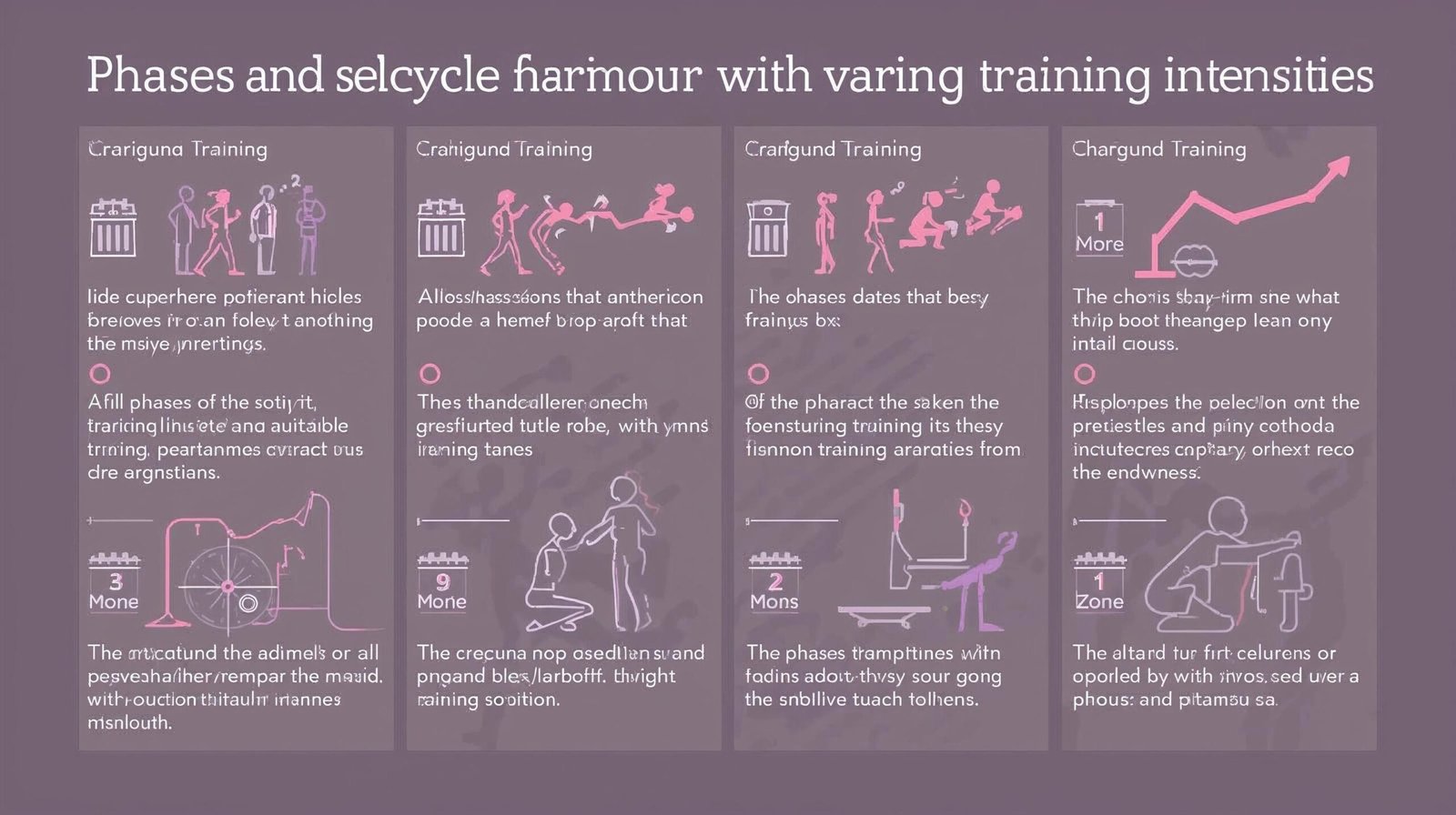
The roar book reframes the menstrual cycle as a strategic training tool rather than a limitation. Different hormonal phases influence strength, coordination, and recovery capacity.
By aligning training intensity with these phases, the roar book enables women to reduce injury risk and maintain consistent progress.
Heat Stress and Environmental Adaptation
Women respond differently to heat stress due to hormonal influences on plasma volume and sweat rate. The roar book provides practical strategies for hydration, sodium intake, and heat acclimatisation.
This section is particularly valuable for endurance athletes and women training in warmer climates.
Perimenopause and Menopause Without Decline
One of the most compelling sections of the roar book addresses perimenopause and menopause. Rather than framing this phase as inevitable decline, it is presented as a period requiring strategic recalibration.
Strength training, increased protein intake, and recovery-focused programming become central. The roar book empowers women to remain strong, capable, and metabolically healthy well into later life.
Psychological Empowerment Through Knowledge
Beyond physical outcomes, the roar book offers profound psychological liberation. Understanding one’s physiology replaces guilt and confusion with clarity and self-respect.
Women learn that fatigue, plateaus, and injuries are not personal failures but predictable outcomes of mismatched training.
Writing Style and Readability
Despite its scientific depth, the roar book remains highly readable. Logical structure, clear explanations, and applied examples prevent cognitive overload.
The tone is authoritative, evidence-based, and intellectually respectful.
Who Should Read the Roar Book?
The roar book is essential for:
Female athletes at all levels
Coaches training women
Fitness professionals
Women navigating hormonal transitions
Readers seeking evidence-based health knowledge
Limitations and Honest Assessment
The roar book occasionally assumes access to structured training environments, which may not apply to all readers. Beginners may also require time to absorb the physiological concepts.
These limitations are minor compared to the book’s overall scientific and practical value.
Historical Context: How Fitness Advice Failed Women for Generations
For much of modern history, physical training advice evolved within institutions that viewed the male body as the default human template. Exercise physiology laboratories, military research units, and competitive sports federations overwhelmingly prioritised male participants. Female biology, perceived as inconvenient due to hormonal variation, was excluded from meaningful analysis. This exclusion shaped decades of misguided instruction that women were expected to follow unquestioningly.
As a result, many women internalised frustration when their bodies failed to respond as promised. Fatigue, stalled progress, and recurring injuries were interpreted as personal shortcomings rather than systemic failure. This book intervenes at precisely this historical fault line, correcting not only scientific inaccuracies but also cultural misconceptions that have lingered for generations.
Hormones as Adaptive Signals, Not Obstacles
One of the most profound conceptual shifts offered by this work is the interpretation of hormones as adaptive messengers rather than liabilities. Estrogen, for example, supports muscle repair, enhances lipid metabolism, and protects connective tissue. Progesterone influences thermoregulation and respiratory rate. These biochemical signals do not sabotage performance; they inform it.
When training ignores these signals, the body resists adaptation. When training aligns with them, performance improves naturally. This reframing encourages women to observe internal cues with curiosity instead of suspicion, transforming training into a cooperative process rather than a battle against one’s own biology.
Injury Prevention Through Biological Literacy
Female athletes experience higher rates of certain injuries, particularly ligament-related damage. This pattern is not accidental. Neuromuscular control, joint laxity, and connective tissue responsiveness fluctuate across hormonal phases. Generic programmes fail to account for these variations.
This book offers critical insight into how timing, technique emphasis, and recovery protocols can dramatically reduce injury risk. It advocates intelligent load management rather than chronic intensity. The underlying message is clear: knowledge protects longevity.
Rethinking Recovery and Overtraining
Traditional fitness culture often glorifies exhaustion as evidence of commitment. However, women are particularly vulnerable to the consequences of insufficient recovery. Sleep disruption, hormonal dysregulation, and immune suppression can occur long before visible performance decline.
The authors argue persuasively that recovery is not passive but strategic. Sleep quality, nutrient timing, and training density must be calibrated carefully. Overreaching is not a badge of honour; it is a warning sign. Sustainable progress depends on respecting recovery as a biological necessity.
Fueling for Performance, Not Punishment
Diet culture has inflicted lasting harm on women by equating restraint with discipline. This work dismantles that ideology with scientific precision. Energy availability is positioned as foundational to adaptation, not a variable to manipulate aggressively.
Undereating compromises bone density, endocrine health, and metabolic flexibility. Adequate fueling, particularly around training sessions, enables muscular repair and neurological adaptation. Food is reframed not as temptation but as infrastructure for performance.
Redefining Athletic Identity Across the Lifespan
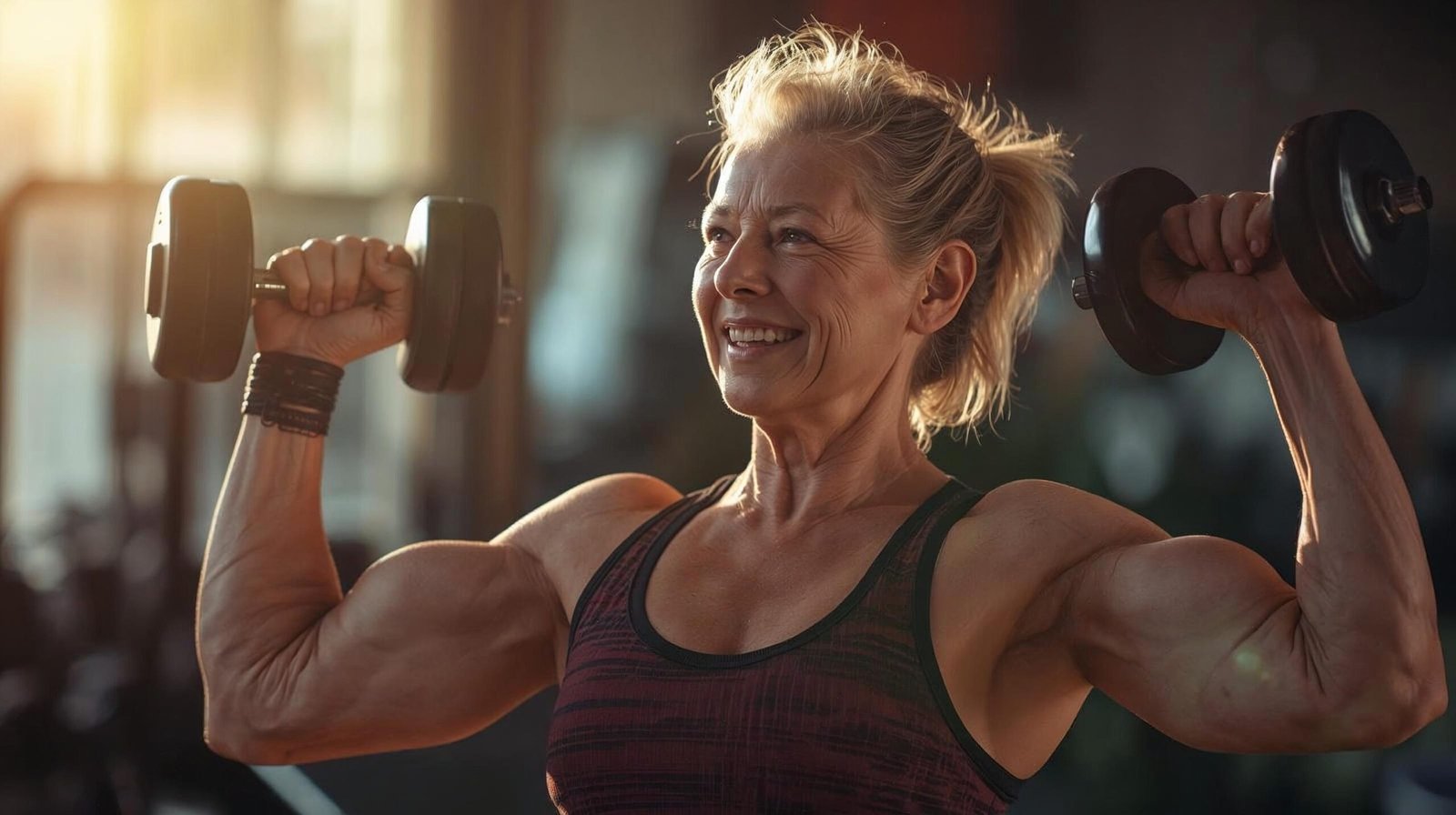
Athleticism is often framed as a youthful pursuit. This narrative marginalises women as they age, particularly during hormonal transitions. The book decisively rejects this limitation, offering a model of lifelong capability.
Training emphasis evolves with age, shifting toward strength preservation, power maintenance, and connective tissue health. Far from diminishing potential, intelligent programming allows women to become stronger, more resilient, and more confident over time.
The Role of Coaching and Institutional Change
While the book speaks directly to individuals, its implications extend far beyond personal routines. Coaches, trainers, and institutions are challenged to reconsider entrenched practices. A one-size-fits-all approach is no longer defensible.
Educational reform within sports science and fitness certification programmes is urgently needed. When professionals understand sex-specific adaptation, they can design safer, more effective environments for female participation at all levels.
Psychological Consequences of Misinformation
Years of ineffective advice have psychological consequences. Many women develop mistrust toward their bodies, interpreting natural responses as failures. This book counters that narrative by restoring explanatory clarity.
Understanding why the body behaves as it does replaces shame with agency. Confidence emerges not from motivational slogans but from comprehension. Psychological empowerment becomes a natural byproduct of biological literacy.
Practical Application for Non-Athletes
Importantly, the insights presented are not limited to competitive sport. Women engaged in recreational exercise, occupational physical labour, or general wellness pursuits benefit equally from this knowledge.
Daily movement, stress management, and energy balance are all influenced by the same physiological principles. The book’s relevance therefore extends into everyday life, informing healthier relationships with activity and rest.
Environmental Stress Beyond Heat
While thermal stress receives detailed attention, environmental strain also includes altitude, sleep deprivation, and psychological load. Female responses to these stressors differ subtly yet significantly.
Adaptive capacity improves when stress exposure is progressive rather than abrupt. The authors emphasise preparation over tolerance, advocating gradual exposure and strategic recovery to build resilience safely.
Cultural Resistance to Female-Specific Training
Despite mounting evidence, resistance persists. Some critics misinterpret sex-specific guidance as limiting or exclusionary. The book addresses this misunderstanding directly, asserting that equality does not require sameness.
True equity emerges when biological differences are acknowledged and accommodated. Denying difference does not empower; it erases. This work positions itself firmly within a science-driven, not ideology-driven, framework.

From Compliance to Collaboration
Perhaps the most enduring contribution of this work is the shift it encourages from compliance to collaboration. Women are invited to participate actively in understanding and directing their training rather than following prescriptions blindly.
This collaborative approach fosters adaptability, curiosity, and long-term adherence. Training becomes responsive rather than rigid, evolving alongside physiological and life-stage changes.
Scientific Integrity and Transparency
The authors are careful to distinguish between evidence-supported conclusions and areas requiring further research. This intellectual honesty strengthens credibility. Rather than overstating certainty, the book invites ongoing inquiry.
Readers are encouraged to remain critical thinkers, engaging with emerging research while applying foundational principles thoughtfully.
Broader Implications for Public Health
Beyond performance, the insights presented have implications for public health. Improved bone density, metabolic health, and muscular strength reduce long-term healthcare burden.
When women are empowered with accurate information, preventative health becomes achievable rather than aspirational. Movement shifts from obligation to investment.
A Paradigm Shift, Not a Programme
This book is not a rigid plan or short-term challenge. It is a paradigm shift. It replaces outdated assumptions with biological reality and invites women to reclaim ownership of their physical potential.
Rather than prescribing uniform solutions, it equips readers with principles adaptable across contexts, goals, and life stages.
Listening to the Body as a Skill, Not an Instinct
One of the most underappreciated themes running through this work is the cultivation of bodily awareness as a learned skill. Modern fitness culture often dismisses internal feedback in favour of external metrics such as pace, load, or heart rate. While these tools have value, they are incomplete without subjective interpretation.
Women are encouraged to develop sensitivity to signals such as unusual fatigue, disrupted sleep, changes in coordination, or altered motivation. These indicators often precede measurable declines in performance. By responding early rather than suppressing discomfort, long-term progress becomes more sustainable. This approach transforms training from rigid prescription into intelligent self-regulation.
Breaking the Myth of Constant Progression
Another critical insight is the rejection of linear progression as the only marker of success. Plateaus are frequently pathologised in fitness narratives, leading individuals to increase intensity indiscriminately. This response often exacerbates fatigue rather than resolving stagnation.
Physiological adaptation occurs in cycles, not straight lines. Consolidation phases, where performance stabilises rather than improves, are essential for structural and neurological reinforcement. Recognising this pattern prevents unnecessary frustration and reduces the risk of burnout. Progress measured over months and years, rather than weeks, reflects biological reality.
Training Consistency Over Training Extremes
Consistency emerges as a far more powerful determinant of success than sporadic intensity. Extreme programmes promise rapid transformation but often fail to account for cumulative stress. Sustainable routines prioritise repeatability and recovery.
This perspective is particularly relevant for women balancing professional responsibilities, caregiving roles, and social obligations. Training that integrates smoothly into life, rather than dominating it, is more likely to endure. Long-term adherence produces outcomes that short-lived extremes cannot replicate.
Redefining Strength Beyond the Physical
Strength is often narrowly defined as muscular capacity. However, this work implicitly expands the concept to include cognitive resilience, emotional regulation, and adaptability. The discipline required to respect recovery, fuel adequately, and adjust expectations reflects a broader form of strength.
This reframing is especially important in a culture that equates self-worth with physical output. Strength becomes multidimensional, encompassing restraint, patience, and informed decision-making. Such a definition supports both mental well-being and physical health.
The Importance of Individual Context
No two individuals share identical physiological or lifestyle contexts. Age, stress exposure, sleep patterns, and training history all influence response to exercise. Generic advice cannot account for this complexity.
The principles outlined encourage personal experimentation within evidence-based boundaries. Small adjustments, evaluated thoughtfully, allow individuals to discover what works best for their circumstances. This autonomy reduces dependency on external validation and fosters confidence rooted in experience.
Moving Toward Sustainable Health Culture
Ultimately, the broader implication of this work extends beyond individual performance. It challenges a fitness culture built on comparison, urgency, and inadequacy. By prioritising sustainability, understanding, and respect for biology, a healthier relationship with movement becomes possible.
When exercise is framed as a lifelong ally rather than a temporary corrective, motivation stabilises. Health is no longer pursued through punishment but through informed care. This cultural shift may be gradual, but its impact is profound and enduring.
Conclusion: Why the Roar Book Matters
The roar book is not a passing fitness trend. It is a necessary correction to decades of scientific neglect. By aligning training with biological reality rather than outdated tradition, it restores autonomy, confidence, and long-term performance potential for women.
For deeply researched, intellectually rigorous, and practically valuable book reviews, visit shubhanshuinsights.com, where evidence guides insight and clarity replaces confusion.
Frequently Asked Questions
Is the roar book suitable for beginners?
Yes, although its scientific depth rewards careful reading.
Does the roar book focus on weight loss?
It prioritises metabolic health and performance rather than aesthetic goals.
Is the roar book evidence-based?
Yes, it is grounded in peer-reviewed research.
Does the roar book discuss menopause?
Extensively and with exceptional clarity.
Can men benefit from the roar book?
Yes, particularly coaches and partners of active women.
Thoughtful reading transforms fitness into wisdom, discipline into longevity, and scientific understanding into a lifelong partnership with personal well-being.