Becoming a Supple Leopard by Kelly Starrett – A Ruthless Examination of Movement, Mobility, and Modern Physical Failure
The modern fitness industry suffers from a dangerous delusion: that strength alone is sufficient. Bigger muscles, heavier lifts, and greater intensity are relentlessly pursued, while movement quality is casually sacrificed. Becoming a Supple Leopard by Kelly Starrett stands as a direct and uncompromising rebuke to this flawed ideology. It is not a casual fitness book, nor a motivational pamphlet. It is a technical, systematic, and sometimes uncomfortable exposition of how human beings are meant to move—and how catastrophically most of us fail to do so.
At its core, becoming a supple leopard is about restoring mechanical integrity to the human body. Starrett, a physical therapist and mobility expert, dismantles the myth that pain, stiffness, and injury are inevitable by-products of training or ageing. Instead, he argues that dysfunction arises from ignorance—ignorance of positioning, mechanics, and basic movement principles that govern every squat, press, run, and pull.
This book does not flatter the reader. It confronts them.
The Central Philosophy of Becoming a Supple Leopard
The foundational idea behind becoming a supple leopard is deceptively simple: movement quality dictates performance and durability. Strength built on faulty mechanics is temporary and destructive. Starrett insists that the human body is extraordinarily resilient when used correctly—and brutally unforgiving when abused through poor positioning.
Unlike conventional training manuals that isolate muscles, this book treats the body as an integrated system governed by leverage, torque, and joint integrity. Starrett repeatedly emphasises the concept of positions before power. If your spinal alignment is compromised, your strength is meaningless. If your joints lack stability, your intensity becomes a liability.
This philosophy alone separates becoming a supple leopard from the majority of fitness literature, which often prioritises aesthetics over biomechanics.
Why Modern Bodies Are Failing
One of the most unsettling sections of becoming a supple leopard is Starrett’s diagnosis of modern physical decay. Sedentary lifestyles, prolonged sitting, and repetitive poor postures have eroded our natural movement patterns. The result is a population riddled with chronic pain, restricted mobility, and preventable injuries.
Starrett does not attribute this decline to ageing. He attributes it to neglect.
He argues that children naturally squat with perfect mechanics, maintain neutral spines, and display remarkable joint mobility. These capacities are lost not because the body forgets, but because society discourages movement and rewards stillness. Chairs, couches, and screens become instruments of dysfunction.
In this context, becoming a supple leopard becomes not merely a training guide, but a corrective manual for reclaiming lost physical intelligence.
The Leopard Metaphor Explained
The title Becoming a Supple Leopard is not poetic ornamentation. It is a biomechanical ideal. A leopard embodies strength without stiffness, power without restriction, and speed without fragility. It moves efficiently, silently, and explosively—never fighting its own structure.
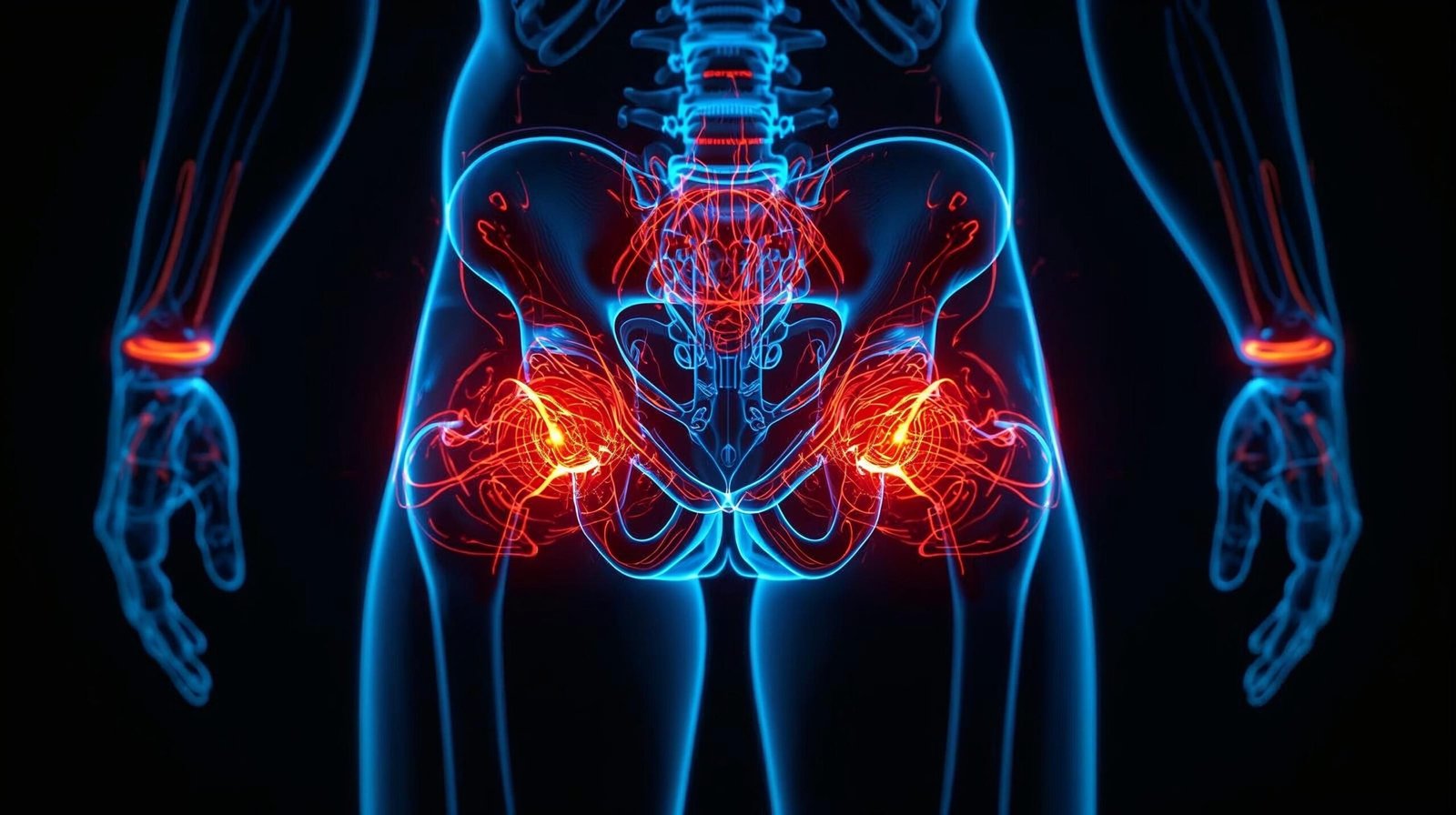
Starrett uses this metaphor to illustrate the goal of human movement: maximum force production with minimal energy leakage. To achieve this, the body must maintain optimal joint positions under load and stress. This is why becoming a supple leopard focuses relentlessly on spinal alignment, hip function, shoulder mechanics, and ankle mobility.
A leopard does not stretch randomly. It moves well by design.
Mobility Versus Flexibility: A Critical Distinction
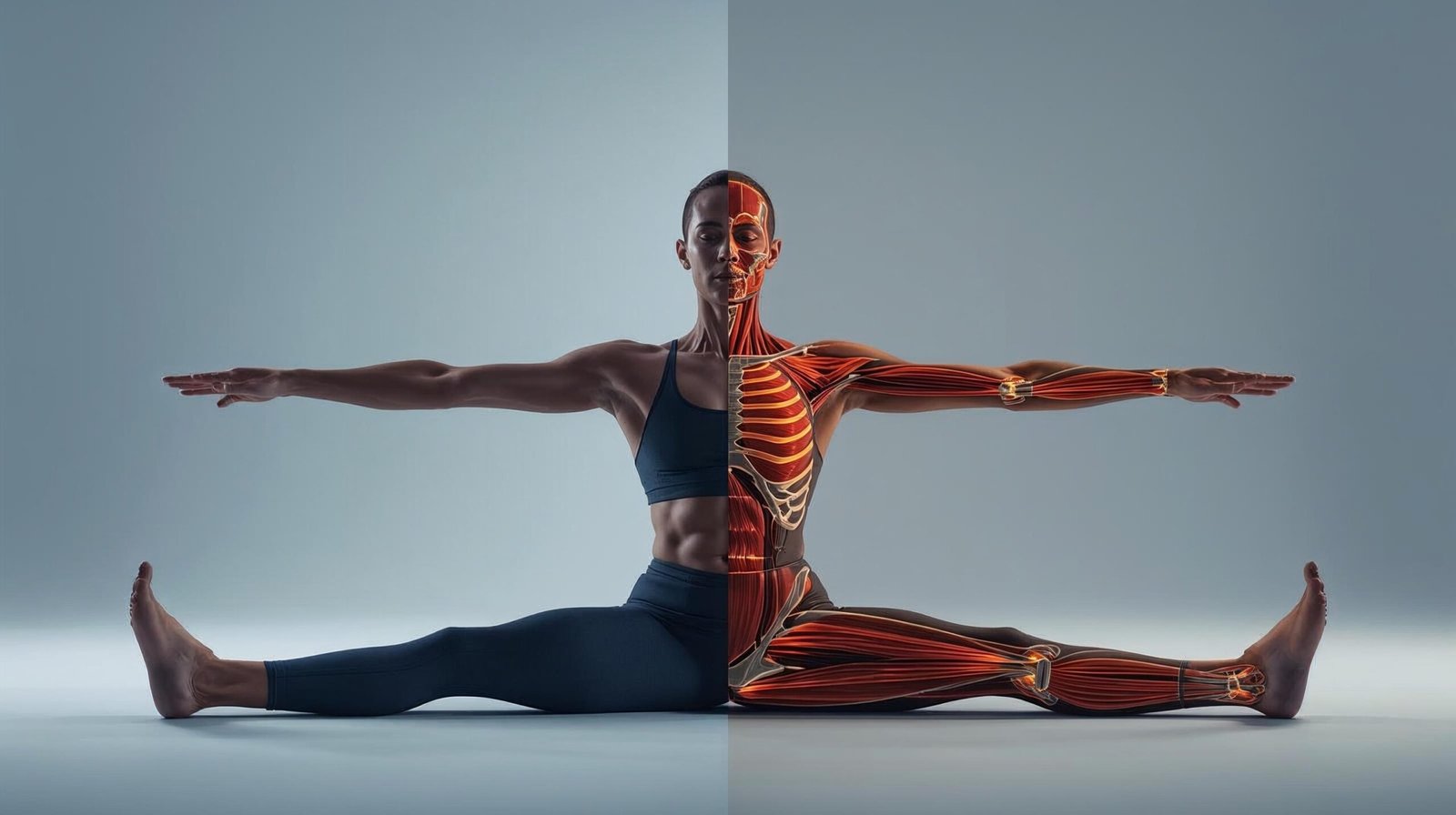
One of the most valuable contributions of becoming a supple leopard is its clarification of mobility versus flexibility. Flexibility, Starrett explains, is passive and insufficient. Mobility is active control over range of motion while maintaining joint stability.
This distinction fundamentally alters how one approaches training. Stretching without positional awareness may temporarily relieve tension, but it does not correct dysfunctional movement patterns. Mobility work, by contrast, restores control, coordination, and resilience.
Starrett’s approach reframes mobility not as optional recovery work, but as an essential component of performance. Without it, strength becomes brittle.
The Spine: The Central Pillar of Human Movement
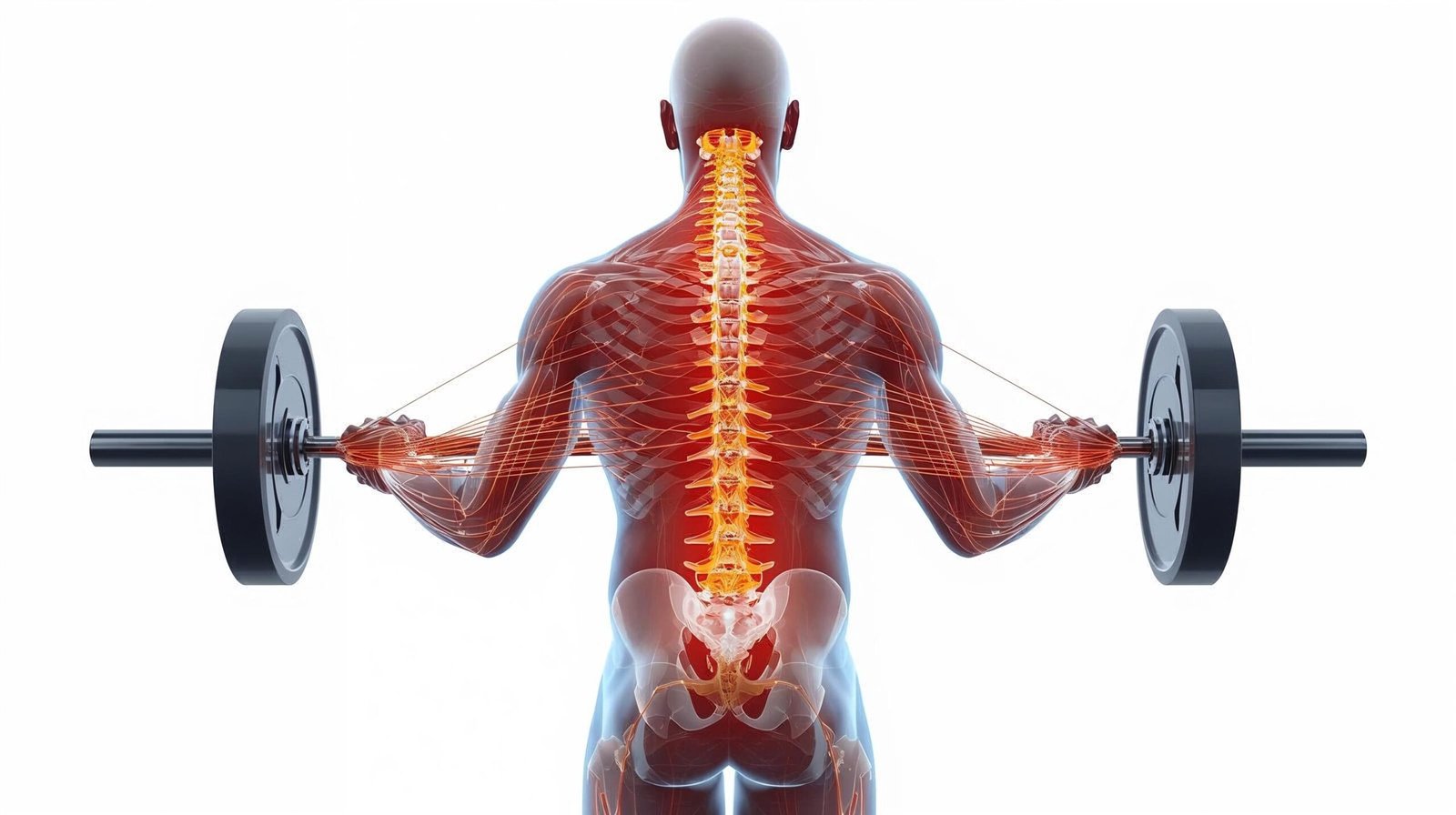
Throughout becoming a supple leopard, the spine is treated with near-reverence. Starrett asserts that spinal integrity is the non-negotiable foundation of all movement. Whether lifting, running, or even sitting, spinal positioning determines force transfer and injury risk.
Neutral spine is not merely a suggestion—it is a requirement.
Starrett meticulously explains how spinal flexion under load compromises disc health, reduces power output, and invites chronic pain. He provides precise cues and visual frameworks to help readers recognise and correct spinal deviations in real time.
In doing so, becoming a supple leopard becomes as much an educational text as a practical guide.
The Squat: A Diagnostic Tool
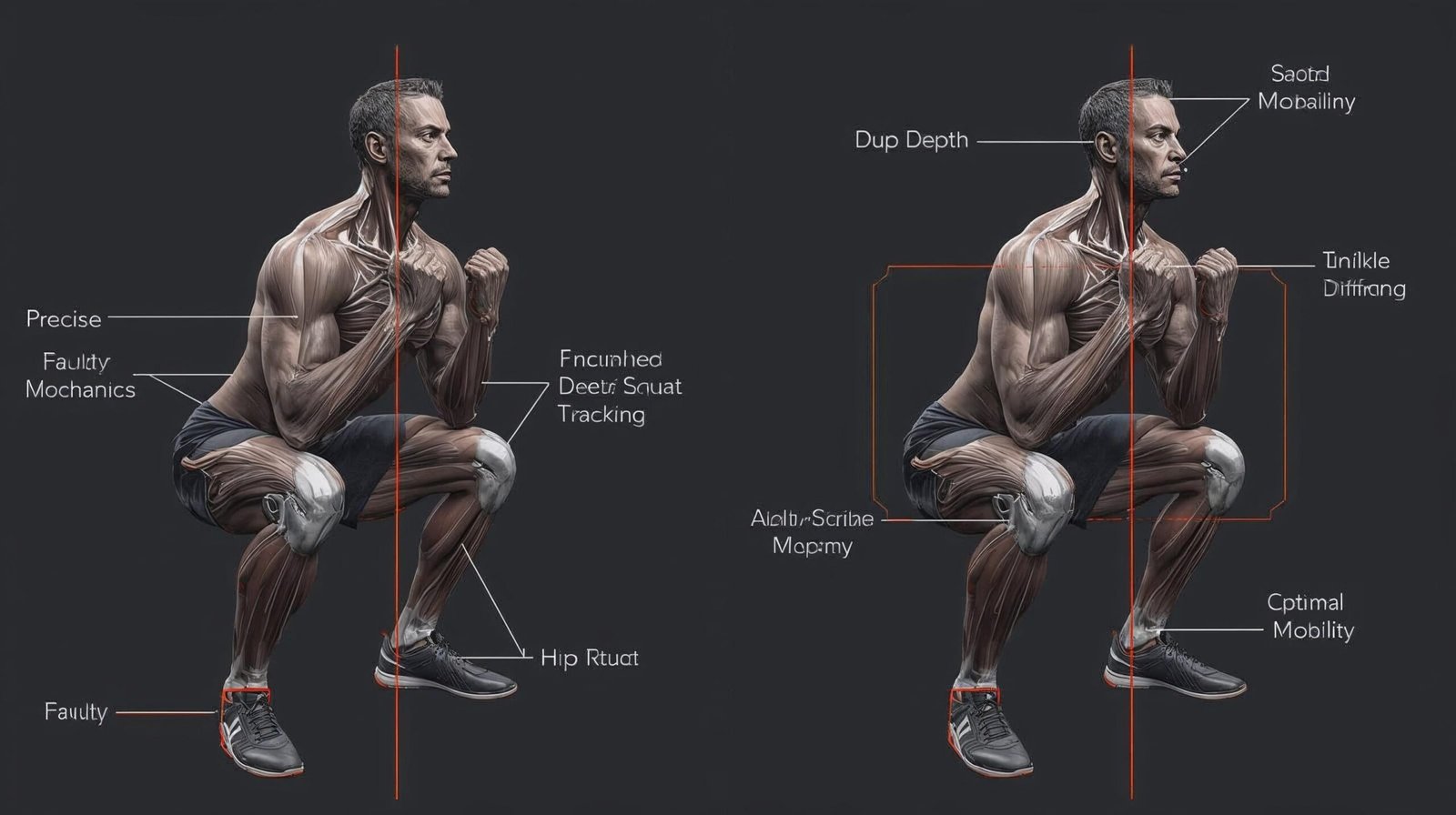
Few movements receive as much attention in becoming a supple leopard as the squat. Starrett treats the squat as a diagnostic lens through which overall movement quality can be assessed. Poor squat mechanics reveal deficiencies in ankle mobility, hip function, core stability, and thoracic extension.
Rather than offering superficial fixes, Starrett traces each fault to its root cause. Knees collapsing inward, heels lifting, or lumbar rounding are not isolated errors—they are symptoms of deeper dysfunctions.
This analytical depth distinguishes becoming a supple leopard from conventional exercise manuals that merely prescribe variations without addressing causes.
Injury Is Not Inevitable
Perhaps the most empowering message in becoming a supple leopard is the rejection of inevitability. Starrett refuses to accept that injuries are an unavoidable consequence of training. He argues that most injuries are predictable, preventable, and self-inflicted through poor mechanics and neglect.
This perspective is both liberating and confronting. It places responsibility squarely on the individual. If pain persists, it is not fate—it is feedback.
Starrett equips the reader with tools to interpret that feedback intelligently, transforming discomfort into a diagnostic signal rather than a resignation.
Who Should Read Becoming a Supple Leopard?
Becoming a supple leopard is not limited to elite athletes. Its relevance spans powerlifters, runners, CrossFit practitioners, office workers, and ageing individuals seeking longevity. Anyone who moves—and that includes everyone—stands to benefit.
However, this book demands intellectual engagement. It is dense, technical, and unapologetically detailed. Casual readers seeking shortcuts may find it challenging. Those willing to invest effort will find it transformative.
Strengths of the Book
The greatest strength of becoming a supple leopard lies in its systematic approach. Starrett does not offer isolated tips; he constructs a cohesive framework for understanding movement. His integration of anatomy, physics, and practical coaching is rare in mainstream fitness literature.
The visual illustrations further enhance comprehension, making complex biomechanical concepts accessible without oversimplification.
Limitations and Criticisms
Despite its brilliance, becoming a supple leopard is not without limitations. Some readers may find the volume of information overwhelming. Others may struggle to self-diagnose without professional guidance.
Additionally, the book assumes a willingness to invest time in mobility work—an assumption that not all readers may honour. Yet these criticisms do not diminish its value; they merely define its seriousness.
The Psychological Dimension of Movement Discipline
Beyond biomechanics and joint positioning, one of the least discussed yet most profound contributions of Becoming a Supple Leopard is its implicit psychological framework. Kelly Starrett does not merely instruct the body; he disciplines the mind. Proper movement, as he repeatedly implies, is an act of conscious restraint. It requires patience, humility, and a willingness to prioritise long-term function over short-term gratification.
In an era dominated by instant results and performative intensity, this emphasis is quietly radical. Correcting movement faults demands slowing down, accepting reduced loads, and confronting ingrained habits. The ego resists such regression. Yet Starrett insists that mastery begins with submission—to mechanics, alignment, and anatomical truth.
This mental recalibration is central to the philosophy of becoming a supple leopard, even if it is never explicitly labelled as such. The athlete must relearn how to move before attempting to move impressively.
Load, Intensity, and the Cost of Ignorance
One of the most uncompromising assertions in the book is that load magnifies dysfunction. Poor mechanics under light weight may feel tolerable; under heavy load, they become destructive. Starrett explains this principle with almost mathematical precision: force applied through compromised structure inevitably seeks the weakest point.
This insight reframes injury prevention entirely. Injuries are not random interruptions to training—they are delayed consequences of tolerated errors. The shoulders that fail under pressing, the knees that deteriorate under squatting, and the backs that collapse under deadlifting all announce their decline long before catastrophic failure occurs.
Starrett’s refusal to normalise pain distinguishes this work from much of fitness culture, which often glorifies suffering as proof of effort. Here, pain is information. Ignoring it is not toughness; it is negligence.
The Role of Daily Maintenance and Tissue Care
Another essential theme developed throughout the book is the concept of daily maintenance. The human body, Starrett argues, requires routine care just as any high-performance machine does. Fascia, connective tissue, and joints adapt continuously to stress, posture, and environment.
What makes this argument compelling is its practicality. Starrett does not advocate excessive recovery rituals or time-consuming routines. Instead, he promotes targeted, consistent interventions—brief but deliberate practices that restore tissue quality and joint range.
This perspective elevates recovery from an afterthought to a strategic priority. It also challenges the misconception that rest alone resolves dysfunction. Without addressing movement quality, rest merely delays recurrence.
In this sense, becoming a supple leopard becomes a lifestyle framework rather than a training manual.
Movement as a Skill, Not an Attribute
Perhaps one of the book’s most intellectually valuable contributions is its insistence that movement is a skill. Strength, endurance, and flexibility are often treated as inherent traits—things one either possesses or lacks. Starrett rejects this fatalism outright.
Movement proficiency, like any skill, is learned through repetition, feedback, and refinement. Poor movement patterns persist not because they are inevitable, but because they are rehearsed daily without correction. Sitting, standing, walking, and lifting all reinforce habits—good or bad.
This reframing empowers the reader. If movement is a skill, then improvement is possible at any age. Degeneration is not destiny; it is a training outcome.
The Cultural Failure of Fitness Education
Implicit within the book is a critique of modern fitness education. Certification systems, Starrett suggests, often prioritise programming complexity over mechanical competence. Trainers may prescribe elaborate routines without ensuring that clients can perform basic movements correctly.
This critique is not polemical but evidentiary. The prevalence of shoulder impingements, lower back pain, and knee issues among recreational trainees indicates systemic failure. Starrett positions movement education as the missing foundation.
In doing so, Becoming a Supple Leopard serves as both a corrective resource and a quiet indictment of superficial instruction.
Longevity Over Performance Peaks
Another understated yet crucial message in the book is the prioritisation of longevity. Starrett does not dismiss performance goals, but he contextualises them within a broader lifespan perspective. Peak strength achieved at the cost of joint health is not success—it is deferred disability.
This long-view approach resonates particularly with ageing athletes and professionals whose physical capacity must serve daily life, not just competition. Training, in this framework, becomes an investment rather than an expenditure.
To pursue becoming a supple leopard is therefore to seek durability over spectacle, sustainability over extremes.
Why This Book Endures
Many fitness books enjoy brief popularity before fading into obscurity. What grants Becoming a Supple Leopard enduring relevance is its foundational nature. Human anatomy does not change with trends. Gravity, leverage, and joint mechanics remain constant.
While exercise fashions evolve, the principles outlined in this work remain applicable. This timelessness positions the book as a reference rather than a novelty—a text to be revisited as understanding deepens.
Integration Into Daily Life
One of the most practical strengths of the book is its applicability beyond the gym. Starrett repeatedly emphasises posture during sitting, standing, and sleeping. Movement quality is not confined to workouts; it is cumulative across all waking hours.
This holistic approach dissolves the artificial boundary between training and living. Every position becomes either restorative or degenerative. Awareness, once developed, extends naturally into daily routines.
In this way, the philosophy of becoming a supple leopard permeates life rather than remaining isolated within exercise sessions.
Final Reflection: Responsibility Reclaimed
Ultimately, Becoming a Supple Leopard delivers a sobering but empowering message: physical decline is not merely something that happens to us—it is often something we unknowingly practise. By illuminating the mechanics of movement, Kelly Starrett returns responsibility to the individual.
This is not a message of blame, but of agency. The body, when respected, responds with remarkable resilience. When neglected, it records every compromise.
For readers willing to abandon comforting myths and embrace disciplined awareness, this book offers not just knowledge, but liberation—from chronic pain, from preventable injury, and from the quiet resignation that often accompanies ageing.
That is the true promise embedded within its pages, and why it deserves its place among the most consequential works on human movement ever written.

The Ethical Obligation of Moving Well
There is, finally, an ethical undertone running quietly through this work. To move well is not merely a personal advantage; it is a form of responsibility. A body burdened by preventable pain becomes dependent, limited, and compromised in its capacity to serve both personal and professional duties. Starrett’s framework subtly insists that maintaining physical integrity is an obligation owed to oneself and to others.
When movement is efficient, energy is preserved. When posture is sound, fatigue is reduced. When joints function as intended, resilience replaces fragility. These outcomes extend beyond athletic performance into daily competence, confidence, and independence.
Thus, the true value of the book lies not only in injury prevention or enhanced strength, but in reclaiming bodily autonomy. It reminds the reader that neglect has consequences, but discipline offers redemption. In a world increasingly disconnected from physical awareness, this reminder is both urgent and profoundly necessary.
FAQs – Becoming a Supple Leopard
Is becoming a supple leopard suitable for beginners?
Yes, but beginners must proceed patiently. The principles are universal, though the execution requires attentiveness.
Does becoming a supple leopard replace strength training?
No. It enhances and protects strength training by ensuring correct mechanics.
How long does it take to see results?
Mobility improvements can occur within weeks, provided consistency and proper technique are maintained.
Is this book useful for non-athletes?
Absolutely. Daily movement quality affects posture, pain levels, and long-term health.
Do I need special equipment?
Minimal tools such as bands and rollers are helpful, but the emphasis remains on technique rather than gadgets.
Conclusion – A Necessary Reckoning With Your Body
Becoming a Supple Leopard is not a comfortable book, but it is a necessary one. It dismantles comforting myths and replaces them with responsibility, awareness, and precision. Kelly Starrett forces the reader to confront an uncomfortable truth: most physical limitations are self-imposed through neglect and ignorance.
To embrace becoming a supple leopard is to reject fragility, excuse, and dysfunction. It is to pursue strength that endures, movement that flows, and a body that serves rather than betrays.
For those serious about performance, longevity, and pain-free living, this book is not optional reading—it is foundational.
For more deeply analytical reviews on strength, health, and human performance, visit shubhanshuinsights.com — where clarity replaces confusion and discipline replaces deception.