Safe Haven Book Review: Investing for Financial Storms by Mark Spitznagel
In a financial world intoxicated by optimism, leverage, and short-term gains, few works dare to speak the uncomfortable truth. The safe haven book, Safe Haven: Investing for Financial Storms by Mark Spitznagel, stands apart as a profoundly contrarian manifesto—one that challenges the very foundations of modern portfolio theory and exposes the dangerous illusions of conventional risk management.
Unlike popular investing books that promise wealth through optimism and diversification alone, the safe haven book delivers a sobering yet empowering message: true safety is rare, expensive, and often misunderstood. Spitznagel, a protégé of Nassim Nicholas Taleb and founder of Universa Investments, argues with ruthless logic that most investors are not merely unprepared for financial storms—they are structurally doomed by flawed assumptions.
This review offers a comprehensive and critical exploration of the safe haven book, examining its philosophy, intellectual foundations, practical insights, and enduring relevance for investors navigating an increasingly fragile global economy.

Understanding the Core Philosophy of the Safe Haven Book
At its heart, the safe haven book dismantles the comforting myth that diversification alone protects investors from catastrophic losses. Spitznagel asserts that traditional portfolios—laden with equities and bonds—are exposed to hidden fragilities that surface precisely when protection is needed most.
The book introduces a radical yet historically grounded principle: risk is not volatility, but the permanent loss of capital. This deceptively simple idea forces readers to rethink everything they have been taught about investing.
Spitznagel’s argument is unambiguous—markets are not efficient in the way textbooks suggest. Instead, they are periodically shattered by rare but devastating events known as “financial storms.” The safe haven book contends that these storms are not anomalies; they are inevitable consequences of leverage, credit expansion, and human overconfidence.
Why Conventional Investing Fails During Crises
One of the most unsettling revelations in the safe haven book is how traditional “safe” assets often fail during systemic breakdowns. Bonds, diversification, and risk parity strategies may appear sound in stable conditions, but they crumble when correlations converge during crises.
Spitznagel meticulously explains how diversification merely spreads exposure—it does not eliminate risk. During financial storms, correlations approach one, rendering diversified portfolios dangerously vulnerable.
The safe haven book exposes the false security offered by modern financial engineering and emphasizes that true protection requires deliberate asymmetry—small, controlled losses during calm periods in exchange for massive gains during chaos.
Austrian Economics and the Intellectual Backbone
The intellectual rigor of the safe haven book is rooted in Austrian economics, particularly the ideas of Ludwig von Mises and Friedrich Hayek. Spitznagel draws heavily on the Austrian business cycle theory, which attributes economic booms and busts to artificial credit expansion and interest rate manipulation.
Unlike Keynesian frameworks that justify intervention, the safe haven book views central banking as a primary source of systemic fragility. Market distortions accumulate quietly over time, only to explode violently when confidence collapses.
This philosophical grounding gives the book a depth rarely found in mainstream investing literature. It is not merely a guide—it is a coherent worldview.
The Role of Tail Risk and Convexity
A defining concept in the safe haven book is tail risk—the risk of extreme, low-probability events with catastrophic consequences. Spitznagel argues that investors systematically underestimate tail risk because human psychology is ill-equipped to perceive rare disasters.
To counter this, the book advocates for convex strategies—positions that benefit disproportionately during extreme market dislocations. While these strategies may incur small, frequent costs, they offer exponential payoffs when markets collapse.
The safe haven book frames this not as speculation, but as rational insurance against financial ruin.
Safe Havens Redefined
Contrary to popular belief, Spitznagel rejects the idea that gold, real estate, or government bonds are inherently safe. The safe haven book insists that a true safe haven is not an asset, but a strategy—one designed to thrive under stress rather than merely survive it.
Safety, according to Spitznagel, is asymmetry combined with discipline. The book repeatedly warns against mistaking familiarity for security—a mistake that has devastated investors across centuries.
Psychological Discipline and Investor Behaviour
Another powerful dimension of the safe haven book is its exploration of behavioural finance. Spitznagel recognises that even the best strategies fail without emotional discipline.
The book confronts the psychological pain of carrying protection that appears unnecessary for long periods. Most investors abandon insurance precisely because it feels wasteful—until it is too late.
The safe haven book thus becomes as much a treatise on human nature as it is on markets.

Lessons from Financial History
Spitznagel reinforces his arguments with historical examples ranging from the Great Depression to the Global Financial Crisis of 2008. These case studies reveal a recurring pattern: complacency during booms, denial during early warnings, and panic during collapse.
The safe haven book demonstrates that crises are not black swans—they are predictable outcomes of systemic excess.
Criticisms and Limitations
While intellectually formidable, the safe haven book is not without limitations. Its strategies are complex and may be impractical for casual investors. Moreover, the psychological fortitude required to endure long periods of underperformance is rare.
However, Spitznagel does not present his ideas as universal prescriptions. Instead, the book challenges readers to question comforting narratives and seek robustness over popularity.
Who Should Read the Safe Haven Book?
The safe haven book is best suited for serious investors, fund managers, economists, and intellectually curious readers willing to confront uncomfortable truths. It is not a “get-rich-quick” manual, but a long-term survival guide for capital preservation.
For readers of shubhanshuinsights.com, particularly those interested in financial psychology, market history, and contrarian thinking, this book offers exceptional value.
Relevance in Today’s Economic Climate
In an era marked by unprecedented debt, aggressive monetary policy, and asset bubbles, the insights of the safe haven book are more relevant than ever. Markets may appear calm, but structural vulnerabilities continue to build beneath the surface.
Spitznagel’s warning is clear: the absence of visible risk is often the greatest risk of all.
Key Takeaways from the Safe Haven Book
-
Risk is permanent loss, not volatility
-
Diversification fails during systemic crises
-
True safety requires convexity and asymmetry
-
Financial storms are inevitable, not rare
-
Psychological discipline is essential for survival
Each of these lessons reinforces the central thesis of the safe haven book—that protection must be intentional, not assumed.
The Illusion of Stability in Modern Financial Systems
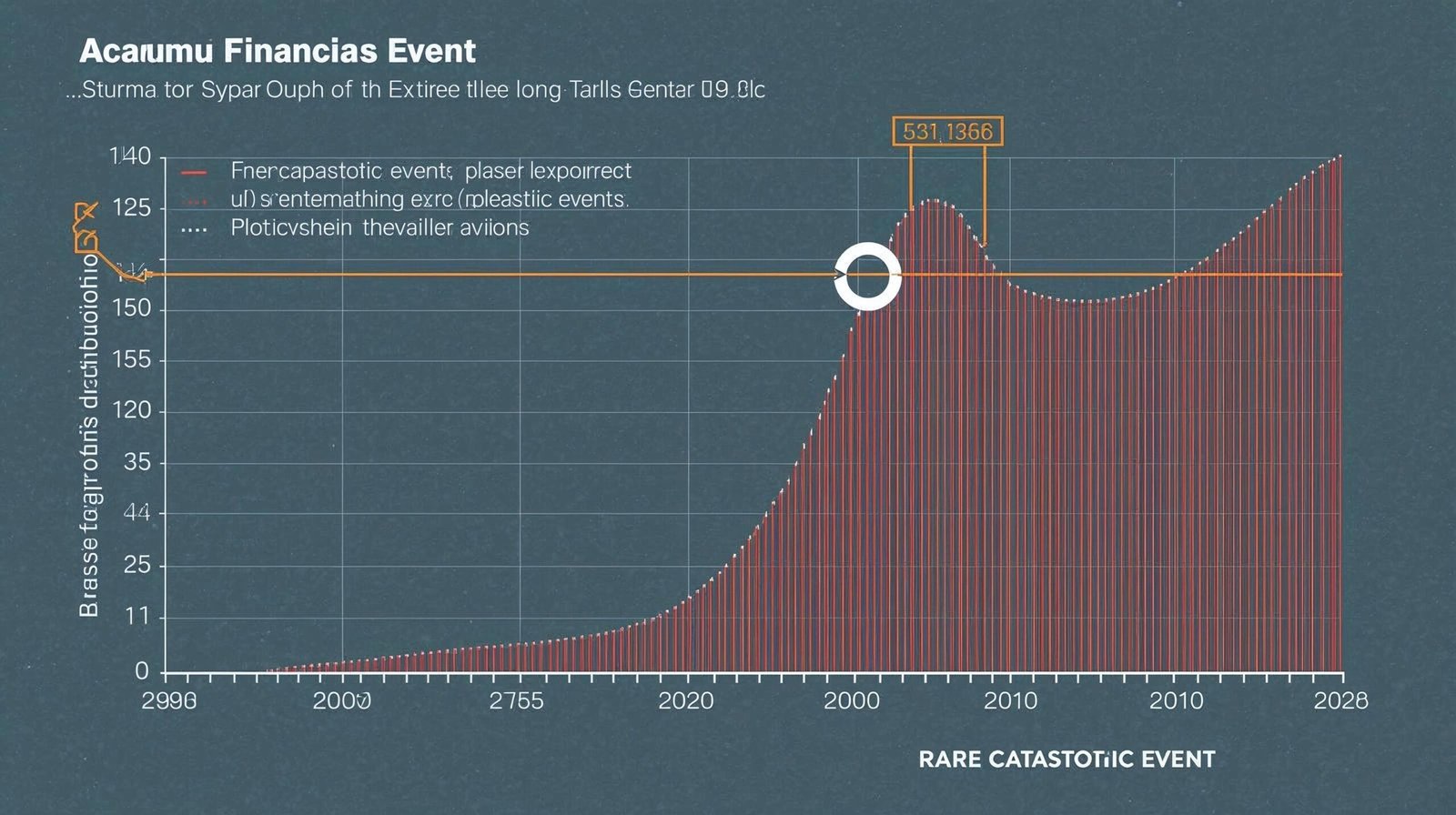
Modern financial systems are built upon a fragile architecture of confidence. Asset prices rise not merely because of productivity or intrinsic value, but because participants collectively believe stability will persist. This belief, however, is cyclical and deeply vulnerable to shocks. Mark Spitznagel highlights that what appears stable on the surface is often the most exposed beneath.
Financial tranquillity encourages leverage. Leverage magnifies returns during expansionary phases, but it also amplifies destruction when conditions reverse. History repeatedly demonstrates that prolonged calm does not eliminate danger—it incubates it. Stability, therefore, becomes a breeding ground for excess, complacency, and systemic vulnerability.
The failure of investors to recognise this paradox is one of the central critiques advanced throughout the book. By the time instability becomes visible, protection is no longer affordable or effective.
Why Human Intuition Is a Poor Guide to Risk
Human beings evolved to respond to immediate threats, not abstract probabilities. As a result, the mind systematically underestimates slow-building dangers and overreacts to short-term fluctuations. This evolutionary mismatch explains why investors often fear temporary volatility yet ignore structural fragility.
Spitznagel’s arguments align with behavioural economics, particularly the concept of availability bias. Investors assess risk based on recent experiences rather than historical precedent. When markets rise uninterrupted, the memory of collapse fades, and prudence is dismissed as pessimism.
This psychological shortcoming leads to a dangerous cycle: protection is abandoned during good times and desperately sought during bad times—when it is least effective. The book’s enduring value lies in its insistence that rational preparation must precede emotional urgency.
The Cost of Carrying Protection
One of the most intellectually honest sections of the work addresses the uncomfortable truth that genuine protection is costly. Insurance against rare disasters requires accepting frequent, small losses. This reality conflicts sharply with performance-driven investment cultures.
Most investors evaluate success over short horizons, comparing returns against benchmarks that reward exposure rather than resilience. As a result, strategies designed for long-term survival often appear unattractive or inefficient in the interim.
Spitznagel does not attempt to disguise this trade-off. Instead, he reframes it: the cost of protection is not a drag on performance but a premium paid for survival. This perspective demands maturity, patience, and a willingness to endure periods of apparent underachievement.
Fragility Versus Robustness
A critical distinction explored in the book is the difference between fragility and robustness. Fragile systems perform well under specific conditions but fail catastrophically when those conditions change. Robust systems may sacrifice efficiency but endure stress without collapse.
Modern portfolios are optimised for average conditions, not extreme ones. They function admirably during periods of growth but unravel under pressure. True robustness, according to Spitznagel, requires deliberately designing portfolios that can withstand shocks without relying on predictions.
This philosophy resonates deeply in an age where financial engineering prioritises optimisation over durability. The book challenges readers to reconsider whether maximising returns is worth sacrificing resilience.
Historical Amnesia and Repeating Cycles
Financial history is rich with warnings, yet each generation convinces itself that the past is irrelevant. Innovations, new instruments, and advanced models foster the illusion that old rules no longer apply. The book firmly rejects this notion.
From the South Sea Bubble to the Great Depression, from the dot-com collapse to the global financial crisis, the underlying dynamics remain remarkably consistent. Excess leverage, mispriced risk, and misplaced confidence precede every major collapse.
Spitznagel’s analysis suggests that forgetting history is not accidental—it is convenient. Remembering past disasters would require restraint during booms, a discipline few are willing to exercise.
The Danger of Overconfidence in Models
Quantitative models play an increasingly dominant role in financial decision-making. While useful, they rely on assumptions that often fail under stress. Normal distributions, historical correlations, and stable relationships break down precisely when markets experience extreme events.
The book offers a pointed critique of blind faith in models. Mathematical elegance, Spitznagel argues, cannot substitute for humility. Risk that cannot be measured is often the most dangerous.
Rather than rejecting quantitative tools outright, the work advocates for recognising their limitations. Models should inform decisions, not dictate them.

Preparation Over Prediction
A recurring theme throughout the book is the futility of forecasting. Markets are influenced by countless variables, many of which are unknowable in advance. Attempting to predict the timing of crises is not only unreliable but distracting.
Spitznagel promotes preparation instead. By structuring portfolios to withstand adverse outcomes regardless of timing, investors can avoid the false confidence that prediction creates. This shift from foresight to preparedness represents a profound philosophical departure from conventional strategies.
The emphasis on preparation reinforces the book’s central message: survival is a strategy, not an outcome.
Ethical Dimensions of Risk Management
Beyond technical arguments, the book raises ethical questions about responsibility and foresight. Institutions that ignore tail risks may generate short-term profits, but they also contribute to systemic instability that harms society at large.
Risk transferred or concealed does not disappear—it accumulates. When collapse occurs, the consequences are often borne by those least equipped to absorb them. The book implicitly calls for greater accountability in financial decision-making.
This ethical undercurrent elevates the work beyond personal investment advice, positioning it as a critique of modern financial culture.
Lessons for Individual Investors
While many of the strategies discussed are institutional in nature, individual investors can still extract valuable lessons. Chief among them is the importance of understanding what one truly owns and why.
Blind trust in diversification, indexation, or historical averages can be perilous. Investors must ask uncomfortable questions about how their portfolios would behave under severe stress.
The book encourages humility: recognising that not all risks can be eliminated, but many can be mitigated through thoughtful design and disciplined behaviour.
Intellectual Courage and Independent Thinking
Perhaps the most lasting contribution of the book is its insistence on independent thought. Popular consensus, financial media narratives, and conventional wisdom often reward conformity over truth.
Spitznagel challenges readers to resist the comfort of consensus and embrace intellectual courage. This does not mean perpetual scepticism, but rather a willingness to question assumptions—even those widely accepted.
In an environment saturated with noise, such clarity is rare and invaluable.
Final Reflection on Enduring Relevance
The principles articulated in this work are not bound to any single era. As long as human psychology, leverage, and credit cycles exist, the dynamics described will remain relevant.
Financial systems may evolve, but fragility persists wherever risk is misunderstood or ignored. The book serves as both a warning and a guide—one that demands seriousness from its readers.
For those willing to confront difficult truths, it offers not comfort, but clarity.

The Quiet Value of Patience in Financial Decision-Making
One of the most understated virtues highlighted through the book’s philosophy is patience. In an age of constant market commentary and instant performance metrics, the discipline to wait becomes a strategic advantage. Patience allows sound structures to function over full market cycles rather than being judged prematurely.
Impatience, by contrast, often leads investors to abandon prudent positions just before they prove their worth. The insistence on immediate validation undermines long-term thinking and encourages reactive behaviour. By cultivating patience, investors reduce emotional interference and strengthen their ability to endure uncertainty without compromising rational judgment.
Frequently Asked Questions (FAQs)
1. What is the central message of the safe haven book?
The safe haven book argues that conventional investing strategies fail during crises and that true safety lies in asymmetrical protection against extreme events.
2. Is the safe haven book suitable for beginners?
It is conceptually demanding, but intellectually rewarding. Beginners may benefit from reading it slowly and reflectively.
3. Does the safe haven book promote market timing?
No. The book strongly discourages prediction and instead focuses on structural resilience.
4. Is gold considered a safe haven in the book?
Spitznagel challenges this assumption and emphasises strategy over assets.
5. Why does the book criticise diversification?
Because diversification collapses when correlations spike during crises, offering a false sense of security.
Conclusion: A Fearless Guide to Financial Survival
The safe haven book is not comforting—and that is precisely its strength. Mark Spitznagel compels readers to abandon complacency and embrace realism. His arguments are rigorous, historically grounded, and intellectually unsettling.
In a world obsessed with returns, the safe haven book reminds us that survival precedes prosperity. It is a book that does not promise ease, but offers something far more valuable—endurance.
For readers of shubhanshuinsights.com, this work stands as a powerful reminder that wisdom often lies where comfort ends. In the quiet before the storm, the safe haven book urges preparation—not hope—as the ultimate investment strategy.
Ultimately, enduring success in investing belongs not to the most confident participants, but to those who respect uncertainty and prepare accordingly.