Reminiscences of a Stock Operator Summary – A Timeless Masterclass in Speculation
The reminiscences of a stock operator summary remains one of the most penetrating and brutally honest portrayals of the stock market ever written. First published in 1923, Edwin Lefèvre’s masterpiece is not merely a book about stocks; it is a profound psychological study of speculation, discipline, failure, greed, patience, and survival.
Disguised as a semi-fictional autobiography of the legendary trader Jesse Livermore, the book transcends eras, technologies, and trading styles. Whether one trades intraday charts on a screen or invests long-term through fundamentals, the truths revealed in this reminiscences of a stock operator summary remain disturbingly relevant even in today’s algorithm-driven markets.
This article offers a comprehensive, structured, and reflective exploration of the book’s lessons—crafted especially for serious readers of shubhanshuinsights.com who seek depth rather than superficial market advice.

Background of the Book and the Man Behind It
Edwin Lefèvre was a seasoned financial journalist with rare access to Wall Street’s inner circles. By presenting Jesse Livermore’s life as a fictional narrative, Lefèvre managed to reveal uncomfortable truths about speculation without diluting their intensity.
Any accurate reminiscences of a stock operator summary must acknowledge that the book is less about techniques and more about temperament. Livermore’s story—from a teenage bucket-shop prodigy to a market titan and eventually a tragic figure—serves as a cautionary tale about both brilliance and excess.
Early Speculation and the Lure of Easy Money
One of the earliest lessons in this reminiscences of a stock operator summary is how success at the wrong stage can be dangerous. Livermore’s early victories in bucket shops gave him confidence but also created habits that failed him later on Wall Street.
The book illustrates how markets change character and how traders who refuse to adapt are punished mercilessly. This lesson remains essential for modern traders who mistake short-term success for permanent mastery.
The Market Is Never Wrong – Opinions Often Are
Perhaps the most quoted idea from any reminiscences of a stock operator summary is that “the market is never wrong.” Livermore repeatedly emphasises that prices move for reasons beyond personal opinions.
Traders lose money not because the market is irrational, but because they insist on being right rather than profitable. This principle applies universally—from equity markets to commodities, cryptocurrencies, and derivatives.
The Importance of Sitting Tight
Unlike many modern trading books obsessed with constant action, this reminiscences of a stock operator summary highlights patience as the true source of wealth.
Livermore admits that his biggest profits came not from clever entries but from sitting tight during major trends. The inability to remain still—to let profits compound—is portrayed as one of the most destructive human flaws in trading.
Losses Are the Cost of Education
No authentic reminiscences of a stock operator summary would be complete without addressing losses. Livermore lost fortunes multiple times, not due to ignorance, but due to lapses in discipline.
Losses, as the book explains, are tuition fees paid to the market. What matters is whether the trader learns from them or repeats them. This philosophy sharply contrasts with the modern obsession with “no-loss strategies.”
Tips, Inside Information, and Market Noise
Another central theme in this reminiscences of a stock operator summary is the danger of tips. Livermore warns that inside information is often priced into the market before it reaches the trader.
He advocates for trusting price action rather than rumours, opinions, or news headlines—an insight astonishingly applicable in today’s social-media-driven trading environment.
Emotional Discipline and Self-Mastery
At its core, the reminiscences of a stock operator summary is a study of human psychology. Greed, fear, hope, and regret appear repeatedly as silent forces shaping outcomes.
Livermore insists that traders must conquer themselves before attempting to conquer the market. Without emotional control, even the most intelligent strategies collapse under pressure.

Big Money Is Made in Big Moves
This reminiscences of a stock operator summary dismantles the myth that constant trading leads to wealth. Livermore made his greatest fortunes by identifying major market trends and committing capital decisively.
The book warns against overtrading—a habit that enriches brokers while impoverishing traders.
Risk Management Above All Else
Risk control is another cornerstone of this reminiscences of a stock operator summary. Livermore survived not because he always won, but because he refused to risk everything on any single idea.
Modern traders, particularly beginners, often ignore this lesson with disastrous consequences.
The Loneliness of the Successful Trader
An often overlooked insight in this reminiscences of a stock operator summary is the solitude of independent thinking. Livermore operated alone, trusting his judgment over crowds.
The book suggests that true market success demands intellectual independence—an uncomfortable but necessary trait.
Why the Book Still Matters Today
Despite being written a century ago, this reminiscences of a stock operator summary reads like a commentary on contemporary markets. Algorithms may execute trades, but human psychology still drives decisions.
Fear during crashes, euphoria during bubbles, and denial during losses remain unchanged.
Key Lessons at a Glance
From this reminiscences of a stock operator summary, the reader learns:
-
Discipline matters more than intelligence
-
Patience outperforms activity
-
Losses are inevitable but manageable
-
The market rewards humility, not ego
-
Emotional control determines long-term survival
Who Should Read This Book?
Anyone seeking quick riches may find this reminiscences of a stock operator summary uncomfortable. However, serious investors, traders, and financial thinkers will discover it to be profoundly transformative.
It is especially valuable for those who have already experienced losses and are ready to confront uncomfortable truths.
The Ethical Dimension of Speculation
One of the most understated yet powerful aspects explored in any serious reminiscences of a stock operator summary is the ethical ambiguity surrounding speculation. Edwin Lefèvre neither glorifies nor condemns the act of trading itself; instead, he exposes it as a morally neutral tool that reflects the character of the individual wielding it.
Livermore makes it clear that the market does not reward virtue or punish vice. It rewards discipline, preparation, and emotional restraint. This uncomfortable truth forces the reader to abandon romantic notions of fairness and accept the market as a ruthless mechanism governed by probabilities rather than justice.
Speculation Versus Investment: A Critical Distinction
A deeper reading of the book, and any thoughtful reminiscences of a stock operator summary, reveals a sharp distinction between speculation and investment. Livermore never pretends to be a traditional investor. He speculates based on price behaviour, economic cycles, and mass psychology.
This distinction is vital for modern readers who frequently blur the two concepts. The book warns that pretending to be an investor while acting like a speculator is a recipe for confusion and financial loss. Clear intent, according to Livermore’s philosophy, is the foundation of consistency.
Market Cycles and the Illusion of Permanence
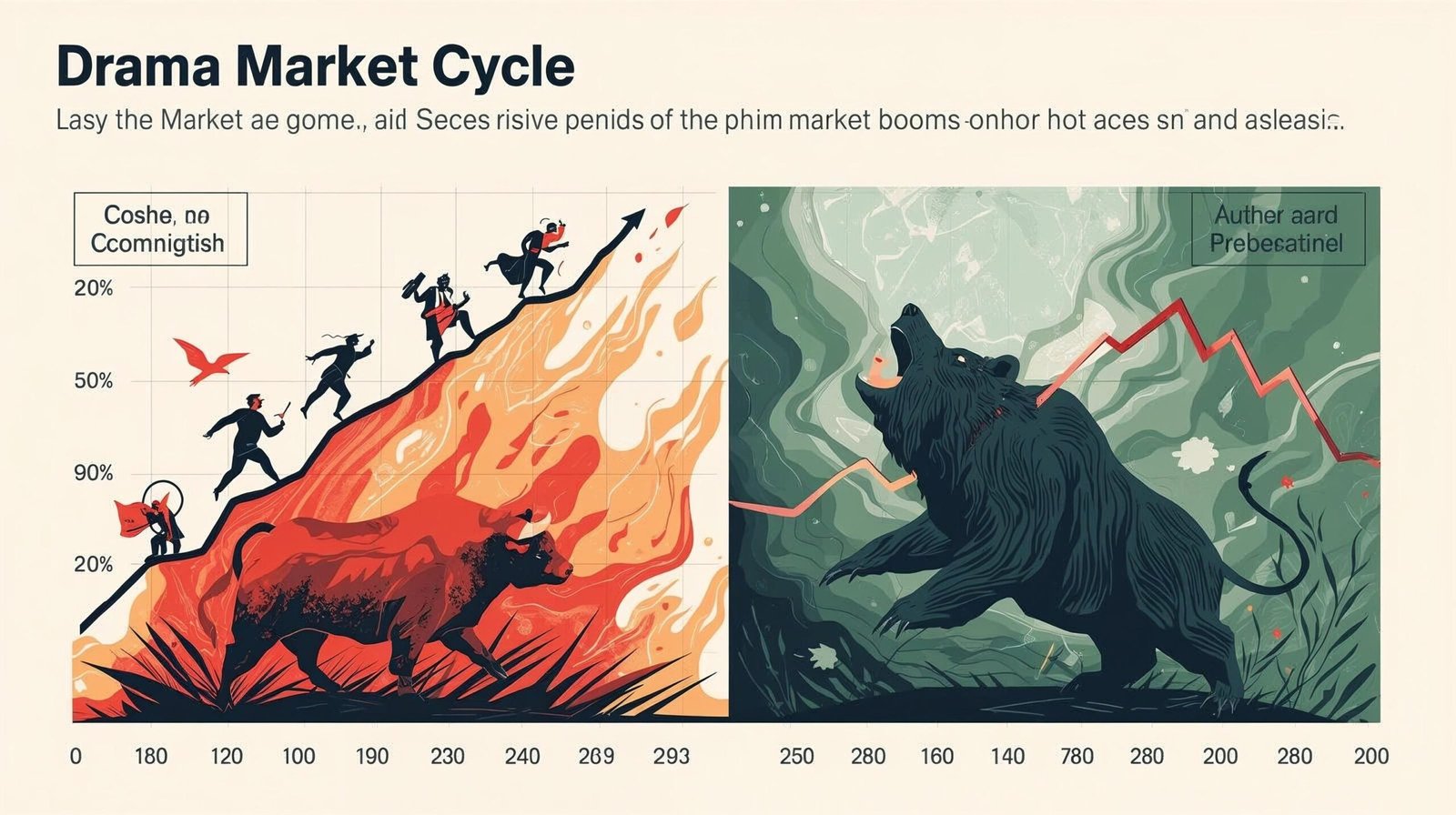
One of the most enduring contributions highlighted in a reminiscences of a stock operator summary is the concept of recurring market cycles. Booms breed overconfidence, while busts cultivate fear and despair. Livermore repeatedly profits from recognising these emotional extremes.
The book dismantles the dangerous illusion that “this time is different.” Every generation believes it has transcended history, only to rediscover old lessons through new losses. Lefèvre’s narrative reminds readers that market memory may be short, but market patterns are remarkably persistent.
Why Intelligence Alone Is Not Enough
A striking insight found in any honest reminiscences of a stock operator summary is Livermore’s admission that intelligence often becomes a liability. Brilliant minds overthink, rationalise losses, and argue with the tape.
Livermore observes that some of the smartest men on Wall Street went bankrupt not due to lack of knowledge, but due to excess confidence in their intellect. The market, indifferent to credentials, humbles all who fail to respect risk.
The Role of Boredom in Successful Trading
Modern trading culture glorifies constant engagement, but this book champions boredom as a virtue. A careful reminiscences of a stock operator summary highlights that Livermore spent long periods doing absolutely nothing.
He waited. He observed. He conserved capital and emotional energy. This lesson is particularly relevant today, where overtrading is incentivised by platforms and social media validation rather than sound judgment.
The Psychological Cost of Success
While many summaries focus on profits, a more nuanced reminiscences of a stock operator summary acknowledges the psychological toll of success. Livermore’s wealth isolated him. His victories intensified scrutiny, pressure, and internal conflict.
The book subtly warns that financial success magnifies existing traits. Discipline becomes rigidity; confidence turns into arrogance. Without self-awareness, triumph becomes a prelude to downfall.
Crowd Psychology and Mass Delusion
Lefèvre masterfully dissects crowd behaviour, making this theme central to any reminiscences of a stock operator summary. Markets move not merely on facts, but on collective belief.
Livermore understood that crowds are most dangerous when they are most confident. He profited not by opposing the crowd blindly, but by recognising when consensus had reached unsustainable extremes.
Failure as a Recurring Teacher
Failure in this book is not a singular event but a recurring instructor. A refined reminiscences of a stock operator summary makes it clear that Livermore’s greatness lay not in avoiding failure, but in responding to it intelligently.
Each collapse stripped away illusions, forcing a return to fundamentals: capital preservation, emotional control, and patience. Readers are reminded that survival precedes success.

Lessons for the Modern Retail Trader
For today’s retail trader, navigating leverage, derivatives, and 24-hour markets, the relevance of a reminiscences of a stock operator summary is almost unsettling. The tools have changed, but the temptations remain identical.
Overconfidence after small wins, revenge trading after losses, and the addiction to action are timeless human flaws. Livermore’s experiences serve as a mirror, reflecting behaviours many would rather deny.
The Silent Power of Self-Honesty
Perhaps the most transformative insight found in a reminiscences of a stock operator summary is the emphasis on self-honesty. Livermore repeatedly admits his mistakes without embellishment.
He understood that the market punishes self-deception more harshly than ignorance. This principle alone, if internalised, can radically alter a trader’s long-term outcomes.
Wealth Without Wisdom: A Hollow Victory
The book ultimately suggests that wealth, devoid of wisdom, is fragile. A thoughtful reminiscences of a stock operator summary recognises that Livermore’s tragedy was not financial failure, but an inability to reconcile ambition with inner balance.
This dimension elevates the book beyond finance into philosophy. It asks not only how money is made, but at what personal cost.
Final Reflection for Serious Readers
As this extended discussion shows, Reminiscences of a Stock Operator is not merely a trading classic—it is a relentless examination of human behaviour under pressure. The reader who approaches it seeking shortcuts will be disappointed. The reader seeking truth will be changed.
For discerning readers of shubhanshuinsights.com, the book offers something rare: wisdom earned through pain, expressed with clarity, and preserved through time.
Its lessons are not comfortable. They are not fashionable. But they are real—and in markets, reality is the most valuable asset of all.

FAQs
1. What is the core idea behind Reminiscences of a Stock Operator?
The book explores the psychology of speculation, focusing on discipline, patience, and emotional control rather than technical systems.
2. Is this book suitable for beginners?
Yes, but beginners must read it slowly. This reminiscences of a stock operator summary reveals realities that many novices prefer to ignore.
3. Is Jesse Livermore a real person?
Yes. Though presented fictionally, the character is based on the legendary trader Jesse Livermore.
4. Does the book provide trading strategies?
Not directly. Instead, it provides mental frameworks essential for long-term market survival.
5. Why is the book still relevant today?
Because markets evolve, but human behaviour does not—a fact repeatedly demonstrated in this reminiscences of a stock operator summary.
Conclusion: A Painful but Necessary Truth
This reminiscences of a stock operator summary is not a comforting read—it is a necessary one. Edwin Lefèvre forces readers to confront the uncomfortable reality that markets reward discipline and punish ego without mercy.
For readers of shubhanshuinsights.com, this book serves as both a warning and a guide. It reminds us that success in markets is not about being clever, fast, or fashionable—but about being patient, humble, and emotionally resilient.
In a world flooded with shallow financial advice, Reminiscences of a Stock Operator stands as a stern mentor—unforgiving, honest, and timeless.
Its wisdom endures, challenging every generation to trade thoughtfully, patiently, humbly, and responsibly always.